
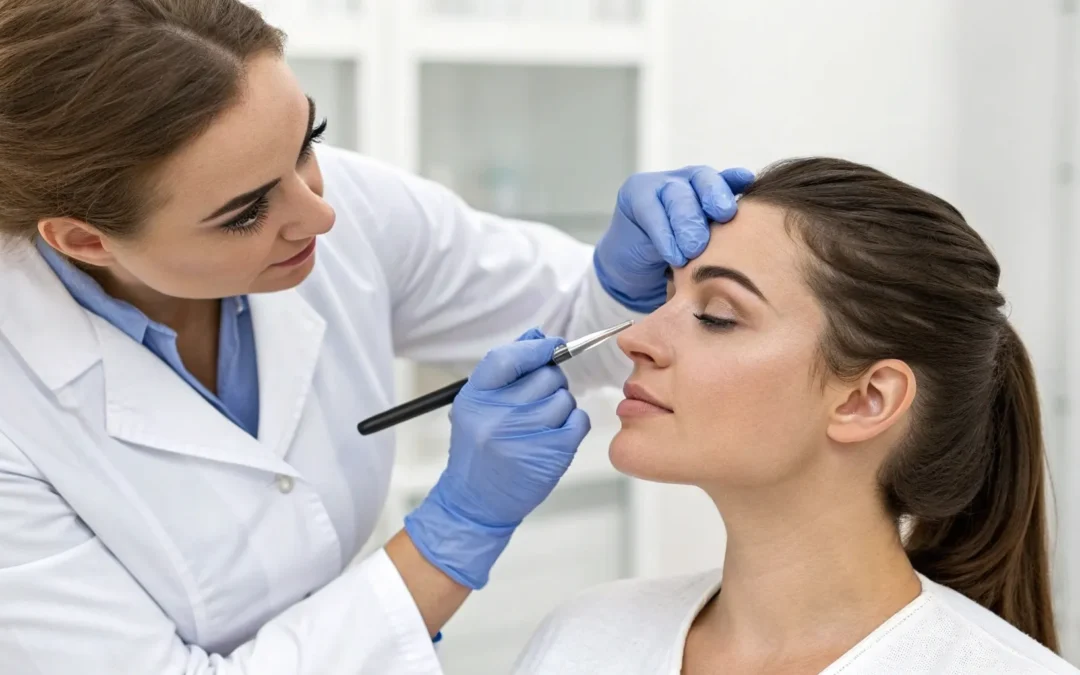
Finding the right professional for your under-eye concerns can feel overwhelming. The skin here is incredibly delicate, and not all experts are created equal. So, who should you see? A dermatologist can be fantastic for surface-level issues. But when it comes to a treatment for under-eye bags that involves puffiness from fat or muscle, the skill of a board-certified cosmetic surgeon is unmatched. Getting safe, natural-looking results starts with choosing the right specialist. This guide explains exactly what to look for in a provider and why a personalized plan is non-negotiable.
Key Takeaways
- Your Treatment Should Match the Cause: The best solution for your under-eye bags—whether it’s a filler, laser, or surgery—depends on what’s causing them. Pinpointing if the issue is volume loss, skin laxity, or fat displacement is the critical first step to getting results you’ll love.
- Weigh the Trade-Offs Between Downtime and Longevity: Nonsurgical treatments offer a quick refresh with minimal interruption to your life but require maintenance. Surgical procedures involve a planned recovery period in exchange for a more permanent, transformative result.
- A Personalized Plan Starts with a Professional Evaluation: While lifestyle changes can help, a consultation with a board-certified surgeon is the only way to get a definitive diagnosis and a tailored treatment plan. This ensures your choice is safe, effective, and aligned with your specific goals.
What Causes Under-Eye Bags?
Waking up to puffiness or dark circles under your eyes can be frustrating. These common concerns, often called under-eye bags, can show up as mild swelling, loose skin, or dark shadows that make you look more tired than you actually are. While they are usually harmless, many people feel self-conscious about them. Understanding what they are is the first step toward finding a solution that works for you. At our Face & Neck Clinic, we see patients who are looking for ways to refresh their appearance and restore a more rested, youthful look to their eye area.
Bags vs. Dark Circles vs. Shadows: What’s the Difference?
“Under-eye bags” has become a catch-all term, but it’s important to know what you’re actually dealing with. The puffiness, the discoloration, and the hollows are often three separate issues that require different solutions. True bags are typically caused by fat pads shifting or fluid retention, creating a bulge. Dark circles, on the other hand, are related to skin pigment and transparency. And sometimes, what looks like a dark circle is just a shadow cast by a puffy lower eyelid. Understanding the specific cause is the most critical step in creating a treatment plan that will actually work, which is why a professional evaluation is so valuable.
Shadows from Puffy Eyelids
Sometimes, the problem isn’t discoloration at all—it’s a trick of the light. When your lower eyelids are puffy, they can create a hollow or a crease beneath them. Overhead lighting hits that puffiness and casts a shadow into the hollow, making the area appear darker than it really is. This is a structural issue, not a pigmentation one. According to the American Academy of Ophthalmology, these shadows can easily be mistaken for dark circles. An experienced surgeon can identify this immediately and recommend a solution that addresses the puffiness itself, which in turn eliminates the shadow and brightens your entire eye area.
Dark Circles from Thinning Skin
True dark circles are a different story and are often related to your skin’s condition and genetics. As we get older, the skin under our eyes naturally thins, and we lose some of the soft fat that sits just beneath it. This makes the underlying blood vessels and muscle more visible, creating a bluish or purplish tint. This effect can be more pronounced in people with naturally fair or thin skin. For others, especially those with darker skin tones, dark circles can be caused by hyperpigmentation—an excess of melanin in the area. Because these causes are so different from structural bags or shadows, the treatments we recommend at our European Cosmetic Clinic focus on improving skin quality or addressing pigmentation directly.
Common Culprits Behind Under-Eye Bags
So, what’s behind those pesky bags? It’s often a combination of factors, and some might surprise you. While a late night is a well-known culprit, genetics can play a major role—if your parents have them, you might be more prone to them, too. Lifestyle habits also contribute significantly. Things like eating salty foods or drinking alcohol can lead to fluid retention, causing temporary puffiness. Seasonal allergies can trigger inflammation and swelling, while smoking can break down collagen and elastin, accelerating skin aging. Identifying the specific causes is a key part of the process our board-certified surgeon uses to recommend the most effective treatment plan for you.
Dehydration and Sinus Issues
It might sound backward, but not drinking enough water can actually make under-eye puffiness worse. When your body is dehydrated, it tries to hold onto every bit of fluid it can, and this retention often shows up in the delicate tissue under your eyes. Similarly, allergies and sinus congestion are major factors. The inflammation from seasonal allergies can obstruct drainage, causing fluid to pool and create that swollen look. If you notice your under-eye bags flare up with the seasons, it’s a strong clue that allergies are involved. For some people, addressing these underlying issues with better hydration or prescription allergy medicine can make a noticeable improvement.
How Aging Affects the Skin Under Your Eyes
As we get older, our bodies naturally go through changes, and the delicate skin around our eyes is one of the first places to show it. A key factor is the decline in collagen production. Collagen is the protein that keeps our skin firm and plump, and as we produce less of it, the skin under the eyes becomes thinner and more prone to sagging. At the same time, the tissues and muscles supporting the eyelids weaken. The fat that normally helps support the eyes can then shift downward into the lower eyelids, creating that puffy, bagged appearance. This is a completely normal part of aging, but there are effective treatments available at our specialized clinics to address these changes.
Treating Under-Eye Bags Without Surgery
If you’re looking for a change but aren’t quite ready to consider surgery, you have some incredible nonsurgical treatments available to you. These options are perfect for addressing under-eye bags because they offer significant improvements with minimal downtime, letting you get back to your life quickly. The great thing about these procedures is their versatility. Whether your concern is a loss of volume that creates hollows, fine lines, or a change in skin texture, there’s likely a nonsurgical path that can help.
These treatments work by targeting the specific cause of your under-eye bags. Some are designed to restore youthful volume, while others focus on resurfacing the skin to create a smoother, tighter appearance. Often, the most effective plan involves a combination of treatments tailored just for you. At our Face & Neck Clinic, we specialize in creating personalized strategies that address your unique facial anatomy and aesthetic goals. We can walk you through each option, explain the process, and help you decide on the best approach to achieve a refreshed, natural look without the commitment of a surgical procedure. It’s all about finding the right fit to help you feel like your best self.
Smooth and Fill with Dermal Fillers
Dermal fillers are a go-to for handling under-eye bags caused by volume loss. As we age, the fat pads under our eyes can shift or diminish, creating a hollowed-out look known as the tear trough. Fillers, typically made with hyaluronic acid, are skillfully injected into this specific area to restore that lost volume. This simple addition of volume smooths the transition between your lower eyelid and your cheek, effectively camouflaging puffiness and diminishing dark shadows. The procedure is quick, and the results are often visible right away, giving you a rested and more youthful appearance that looks completely natural.
Hyaluronic Acid Fillers
Hyaluronic acid (HA) is a substance your body naturally produces to keep skin hydrated and plump, but its levels decrease over time. HA fillers, such as Juvéderm and Restylane, are smooth gels that mimic your body’s own HA. When injected by a skilled professional, they instantly add volume to the tear trough area, filling in hollows and smoothing the skin. This is an ideal solution if your under-eye bags are primarily caused by a loss of facial fat, as it rebuilds that soft contour between the cheek and eyelid. At our Face & Neck Clinic, we use these fillers to provide immediate, subtle results that make you look refreshed and well-rested, not “done.” The treatment is quick, and you can see the improvement right away.
Sculptra for Collagen Production
For those dealing with deeper hollows or looking for a longer-lasting solution, Sculptra offers a different approach. Unlike HA fillers that simply add volume, Sculptra is a collagen stimulator. It’s made from poly-L-lactic acid, which works with your body to kickstart its natural collagen production. Instead of seeing instant results, you’ll notice a gradual improvement over several weeks as your skin rebuilds its underlying structure. This process creates a very natural-looking fullness and improves skin texture from within. Because it helps your body create its own collagen, the results can last for two years or more, making it a fantastic long-term investment in your appearance.
Tighten Skin with Laser Resurfacing
When the main issue is skin texture or laxity, laser resurfacing is a fantastic solution. This treatment uses focused light energy to gently remove the outermost layers of damaged skin around the eyes. This process triggers your body’s healing response, encouraging the growth of new, healthy skin cells and stimulating collagen production. The result is smoother, firmer skin with a visible reduction in fine lines and crepiness. While one session can make a difference, some people find that a series of treatments or combining it with other procedures provides the best results for a truly refreshed look.
Stimulate Collagen with Microneedling
Microneedling is an excellent way to naturally improve the skin’s firmness and elasticity from within. The procedure uses a specialized device with very fine needles to create tiny, controlled micro-injuries in the skin’s surface. This might sound intimidating, but it’s a key step in jump-starting your skin’s natural repair cycle. In response, your body ramps up its production of collagen and elastin—the essential proteins that keep skin plump, firm, and smooth. Over a series of treatments, this helps thicken and strengthen the delicate under-eye skin, reducing the appearance of bags and softening fine lines.
Renew Your Skin with Chemical Peels
A chemical peel is a time-tested method for refreshing the skin’s surface. For the under-eye area, a light to medium-depth peel is typically used. A carefully selected chemical solution is applied to the skin, which works to dissolve the bonds holding old, dead skin cells on the surface. As this outer layer gently exfoliates over the next few days, it reveals the fresher, smoother, and more evenly toned skin underneath. This process can help tighten the skin and reduce the appearance of fine lines, making it a great way to rejuvenate your skin for a brighter and more vibrant look.
Is Surgery the Right Choice for You?
When nonsurgical treatments don’t provide the results you’re looking for, it might be time to consider a surgical solution. Surgical options offer a more permanent and dramatic improvement for under-eye bags by directly addressing the underlying fat and skin laxity. While it’s a bigger step, the right procedure can create a refreshed, natural-looking appearance that lasts for years. At our Face & Neck Clinic, we focus on techniques that not only correct under-eye concerns but also harmonize with your overall facial features. Let’s walk through some of the most effective surgical approaches.
What Is Blepharoplasty (Eyelid Surgery)?
Blepharoplasty, commonly known as eyelid surgery, is a procedure designed to rejuvenate the area around your eyes. It involves carefully removing or repositioning excess fat and trimming away loose skin to create a smoother, more defined look. This surgery can address droopy upper lids that make you look tired or even interfere with your vision, as well as puffy bags below the eyes. The procedure is typically performed on an outpatient basis, and our surgeons place tiny incisions within the natural creases of your eyelids to keep scarring discreet. The results are long-lasting, helping you look more rested and alert for a decade or more.
How Lower Eyelid Surgery Works
When under-eye bags are your primary concern, lower eyelid surgery is the most direct solution. This procedure specifically targets the puffiness and loose skin beneath your eyes. During the surgery, your surgeon will make a small incision, often hidden just inside the lower eyelid or along the lash line, to remove or redistribute the fat pads causing the bags. They will also tighten the skin for a firmer, more youthful contour. While you can expect some swelling and bruising during recovery, the final outcome significantly smooths the transition from your lower lid to your cheek, creating a truly refreshed appearance.
What Is Facial Fat Transfer?
Facial fat transfer is an innovative technique that uses your body’s own fat to restore volume under the eyes. This is a great option if your under-eye bags are accompanied by hollows or dark circles. The process begins by harvesting fat from another area, like the abdomen or thighs, through gentle liposuction. After the fat is purified, it’s skillfully injected into the under-eye area to fill in depressions and create a smooth surface. Because it uses your own tissue, the results are very natural and can last much longer than synthetic fillers. The full, beautiful effect becomes visible over a few months as the transferred fat settles into its new home.
Understanding the Risks and Side Effects
Every cosmetic procedure, whether it’s a quick injection or a surgical refinement, comes with its own set of potential risks and side effects. Being fully informed is not about creating fear; it’s about empowering you to make the best decision for your health and your goals. A transparent conversation about what to expect—both the exciting results and the possible complications—is a hallmark of excellent care. Understanding these possibilities helps you prepare for recovery and ensures you and your doctor are on the same page. It’s a critical part of the journey to ensure your safety and satisfaction with the final outcome.
Potential Risks of Nonsurgical Treatments
Nonsurgical treatments are popular because they offer impressive results with less downtime, but “nonsurgical” doesn’t mean “risk-free.” The effectiveness and safety of treatments like fillers and lasers depend heavily on the provider’s skill and a deep understanding of your unique skin and facial structure. Knowing the potential downsides is just as important as knowing the benefits, as it helps you select the right treatment and the right professional to perform it. At our Face & Neck Clinic, we prioritize a thorough evaluation to make sure your chosen treatment is the safest and most effective one for you.
Laser Resurfacing Risks for Darker Skin Tones
Laser resurfacing can work wonders on skin texture, but it’s crucial to know that it interacts differently with various skin tones. For individuals with brown or Black skin, certain lasers carry a risk of causing lasting changes in skin color, such as hyperpigmentation (dark spots) or hypopigmentation (light spots). This is a significant consideration that the Mayo Clinic highlights. This is why a thorough consultation is so important. An experienced provider will assess your skin type and may recommend a specific type of laser or an alternative treatment to safely achieve your goals without unintended side effects.
When Dermal Fillers Can Make Things Worse
Dermal fillers seem straightforward, but the under-eye area is incredibly complex. If not placed correctly, or if the wrong type of filler is used, the results can be less than ideal. Complications can include lumpiness, prolonged swelling, or the Tyndall effect—a bluish tint that appears when filler is injected too superficially. As one practice notes, it’s vital to choose the right patient for this treatment, or it can actually make the area look worse. This underscores the need for a practitioner with an expert grasp of facial anatomy, who can determine if you are a good candidate and execute the treatment with precision.
Potential Risks of Eyelid Surgery
Choosing surgery is a significant decision, and it’s important to have a clear picture of the entire process, including recovery and potential complications. While eyelid surgery is a very common and generally safe procedure, especially when performed by a skilled surgeon, all surgeries carry some level of risk. Discussing these openly with your surgeon will help you weigh the benefits against the potential drawbacks and move forward with confidence, knowing you’ve made a well-informed choice. Our goal is to ensure you feel completely comfortable and educated every step of the way.
Common Side Effects of Blepharoplasty
After a blepharoplasty, your body needs time to heal, and you can expect some temporary side effects. Swelling, bruising, and discomfort are common and normal parts of the recovery process, as noted by the Mayo Clinic. You might also experience dry or watery eyes and some temporary blurriness in your vision. These issues typically resolve on their own within a week or two. Knowing what to expect makes the recovery period much more manageable and allows you to plan accordingly for some downtime while your body heals and your beautiful results begin to emerge.
Rare but Serious Complications
While the vast majority of eyelid surgeries are successful, it’s essential to be aware of the rare but more serious complications that can occur. These can include infection, bleeding behind the eye, injury to eye muscles, or, in very rare cases, changes to your vision. The best way to minimize these risks is by selecting a board-certified surgeon with extensive experience in facial procedures. A qualified surgeon operates with the highest standards of safety, carefully evaluates your health to ensure you’re a good candidate, and provides meticulous post-operative care to support a smooth and healthy recovery.
Nonsurgical vs. Surgical: Which Treatment Is Right for You?
Deciding between a nonsurgical treatment and a surgical procedure can feel like a big step, but it’s all about finding the right fit for your goals, lifestyle, and anatomy. Both paths offer great solutions for refreshing your appearance; the key is understanding which one aligns with the results you’re hoping for. Nonsurgical options like fillers and laser treatments are fantastic for subtle improvements with minimal downtime. They can soften shadows and smooth the skin, giving you a quick refresh.
On the other hand, a surgical approach like blepharoplasty provides a more permanent and transformative solution by directly addressing the underlying fat and excess skin that cause prominent bags. Thinking about the severity of your concerns and how long you want the results to last will help guide your decision. The best way to get clarity is to explore what each option entails and discuss your personal goals with an expert who can give you a clear recommendation.
How Severe Are Your Under-Eye Bags?
First, take a moment to look at your under-eye area. Are you dealing with slight puffiness and dark circles that bother you in the morning, or are the bags more pronounced and present throughout the day? Under-eye bags are incredibly common and can be caused by anything from genetics and allergies to the natural aging process. For mild puffiness or discoloration, nonsurgical treatments might be the perfect solution to provide a subtle lift and brightness. However, if you have significant bags caused by fat pads shifting or skin losing its elasticity, a surgical procedure may be the most effective way to achieve a smooth, lasting result.
Why a Professional Evaluation Matters
While it’s helpful to assess your own concerns, nothing replaces a professional evaluation. Because under-eye bags are typically a cosmetic issue, an expert can help you understand the specific cause and outline the most effective ways to address it. During a consultation, a board-certified surgeon can examine the skin quality, muscle tone, and fat distribution around your eyes to give you a precise diagnosis. This step is essential for creating a safe and effective treatment plan tailored just for you. At our Face & Neck Clinic, we prioritize this one-on-one time to ensure you feel confident and informed about your options.
What to Expect for Results and Budget
It’s important to have a clear picture of what each treatment can achieve. Nonsurgical options offer temporary improvements and may require follow-up sessions to maintain results. Surgery, like a lower blepharoplasty, is designed to create a more permanent change by removing or repositioning excess fat and skin for a younger, more alert look. It’s also practical to consider the financial investment. As the Mayo Clinic notes, most insurance plans don’t cover cosmetic procedures for under-eye bags. We believe in transparency, so we encourage you to contact us to discuss pricing and financing options that can help you plan accordingly.
What to Expect During Your Consultation
Your consultation is the most important first step. Think of it less as an appointment and more as a collaborative planning session between you and your surgeon. This is your dedicated time to share your concerns, ask every question that comes to mind, and truly understand what’s possible. It’s also our chance to get to know you, learn about your goals, and assess your unique facial anatomy. A great consultation is a two-way conversation that leaves you feeling informed, confident, and clear about your options.
We believe in creating a comfortable and honest environment where you never feel rushed or pressured. Our goal is to give you a complete picture of the potential treatments for your under-eye concerns, from the procedure details to the recovery process and final results. You’ll leave with a personalized plan tailored specifically to you. This initial meeting is all about building a foundation of trust and ensuring we are perfectly aligned on the path forward.
What Happens During the Examination?
First things first, your surgeon will conduct a careful physical examination of your under-eye area. This involves taking a close look at your skin quality, elasticity, and the underlying facial structure to pinpoint the exact cause of your under-eye bags. Are they due to fat deposits, thinning skin, fluid retention, or a combination of factors? Understanding the root cause is essential for recommending the most effective treatment. This detailed assessment is a key part of the work we do at our Face & Neck Clinic and ensures your treatment plan is built on a solid diagnostic foundation.
Talking Through Your Treatment Options
Once your surgeon has a clear understanding of your specific situation, you’ll sit down together to talk through the best treatment options. This is where your goals really come into play. We’ll discuss everything from non-surgical treatments like dermal fillers and laser resurfacing to surgical solutions like blepharoplasty. We’ll explain the pros and cons of each approach, what the procedure feels like, and the kind of results you can realistically expect. Our European Cosmetic Clinic offers a wide range of advanced solutions, and we are committed to helping you find the one that fits your lifestyle and aesthetic vision perfectly.
Preparing for Your Appointment
Walking into your consultation with a little preparation can make a world of difference. This is your opportunity to get personalized advice from an expert, so making the most of this time is key. Having your thoughts and questions organized beforehand helps ensure all your concerns are addressed and allows your surgeon to get a complete understanding of your situation. It also empowers you to be an active partner in your care. When you and your surgeon are on the same page, you can work together to create a treatment plan that aligns perfectly with your goals and helps you feel confident in your decision.
What Your Doctor Might Ask You
To tailor a plan specifically for you, your surgeon will need to understand your unique situation. Be ready to share a bit about your experience with under-eye bags, such as when you first noticed them and whether they are constant or tend to come and go. They will also likely ask about your lifestyle, including your diet, whether you smoke or drink alcohol, and any medications or supplements you take. It’s also important to discuss your overall health history. Answering these questions openly and honestly helps your surgeon get a complete picture, ensuring they can recommend the safest and most effective treatment when you book your consultation.
Questions to Ask Your Doctor
This consultation is just as much for you as it is for your surgeon, so don’t hesitate to ask questions. It’s a great idea to jot down a list beforehand so you don’t forget anything. You’ll want to ask what they believe is causing your under-eye bags and what treatment they recommend. Be sure to also ask about the results you can expect, the total cost of the procedure, and what the recovery and follow-up care will look like. Having a clear understanding of these details is essential for making an informed choice. For more ideas, the Mayo Clinic offers a helpful list of questions to bring to your appointment.
Creating Your Personalized Treatment Plan
After you’ve decided on a path forward, we’ll map out all the details. This final step is about creating a clear and comprehensive plan. We will cover the pre-procedure preparations, the treatment timeline, and what your recovery will look like. We also believe in complete transparency, so we’ll discuss all potential costs and fees upfront, ensuring there are no surprises. You will leave your consultation with a solid understanding of the entire process and a clear vision for your results. When you’re ready to take this step, you can contact us to schedule your private consultation.
How to Reduce Under-Eye Bags at Home
While professional treatments can provide dramatic and lasting results, some simple lifestyle adjustments can also make a significant difference in the appearance of under-eye bags. Think of these habits as your foundational support system—they help manage puffiness and can even slow the development of future bags. By incorporating these practices into your daily life, you’re taking proactive steps to care for the delicate skin around your eyes. These changes, combined with a professional consultation, can help you achieve the refreshed look you’re hoping for.
Prioritize Sleep and Hydration
It’s no secret that a poor night’s sleep can show up on your face the next day. Most adults need between seven and nine hours of quality sleep each night to allow the body to repair and regenerate. When you’re sleep-deprived, your body can increase cortisol production, which breaks down collagen and leads to darker, puffier under-eyes. Staying hydrated is just as important, but timing matters. Drink plenty of water throughout the day, but try to reduce your fluid intake an hour or two before bed. This can help prevent fluid from pooling under your eyes while you sleep, which is a common cause of morning puffiness.
Sleep With Your Head Slightly Raised
A simple change to your sleeping position can make a noticeable difference. Try propping your head up with an extra pillow at night. According to the Mayo Clinic, sleeping with your head slightly elevated helps prevent fluid from accumulating in the delicate tissue around your eyes while you rest. Gravity does the work for you, encouraging drainage and reducing the chances of waking up with that familiar puffiness. This small adjustment doesn’t cost anything and is an easy habit to adopt. It’s a great foundational step that supports any other treatments you might be considering by minimizing one of the most common causes of morning under-eye bags.
Apply a Cool Compress
For a quick fix when you wake up with puffiness, a cool compress is one of the most effective at-home remedies. The cold temperature helps constrict blood vessels, which can reduce swelling and temporarily tighten the skin. You don’t need anything fancy—just a clean washcloth dampened with cool water will do the trick. The American Academy of Ophthalmology suggests placing the compress over your eyes for a few minutes while sitting upright. This simple routine can quickly soothe inflammation and make your eyes look and feel more refreshed, making it a perfect first step in your morning routine on days when you need a little extra help.
Rethink Your Diet and Tackle Allergies
What you eat can directly impact fluid retention and inflammation. A diet high in salt is a major contributor to swelling all over the body, including the under-eye area. Cutting back on processed foods and being mindful of your sodium intake can lead to a noticeable reduction in puffiness. Allergies are another common culprit. Seasonal or chronic allergies trigger the release of histamines, which cause inflammation and swelling around the eyes. If you suspect allergies are to blame, managing your symptoms with over-the-counter remedies or by consulting an allergist can make a world of difference for your appearance and overall comfort.
Eat Foods That Support Collagen
Beyond just cutting back on salt, you can actively support your skin by eating foods that help your body produce more collagen. This essential protein is what gives your skin its firmness and structure, and boosting its production can help strengthen the delicate under-eye area. Foods rich in vitamin C are particularly powerful, as this vitamin is a key building block for collagen synthesis. Try incorporating more citrus fruits, berries, bell peppers, and leafy greens like spinach and kale into your meals. These simple dietary additions can support your skin’s health from the inside out, complementing any professional treatments you might be considering.
Check for Bedroom Allergens
If you consistently wake up with puffy eyes, your bedroom might be harboring some hidden triggers. Allergens like dust mites, pet dander, or even the feathers in your pillows can cause your body to release histamines, leading to inflammation and swelling around your eyes. As the American Academy of Ophthalmology points out, managing these allergies is a crucial step. Try switching to hypoallergenic bedding, using an air purifier, and keeping pets out of the bedroom to see if it makes a difference. Simple changes can often reduce irritation and help you wake up looking and feeling more refreshed.
Build a Skincare Routine for Your Eyes
A consistent skincare routine is one of your best defenses against under-eye concerns. The skin here is incredibly thin and delicate, so it needs special care. Look for eye creams containing ingredients like retinol to stimulate collagen, caffeine to constrict blood vessels and reduce puffiness, or hyaluronic acid for hydration. For discoloration, certain topical treatments can be very effective. When you visit our Face & Neck Clinic, we can discuss medical-grade options that are right for your skin type. Always apply products gently using your ring finger to tap, not rub, the product into the skin to avoid unnecessary pulling.
Key Ingredients: Peptides and Vitamin C
When you’re scanning the ingredient list on an eye cream, peptides and Vitamin C are two power players to look for. Peptides are short chains of amino acids that act as building blocks for proteins like collagen and elastin, which are essential for keeping your skin firm and smooth. Adding them to your routine can help strengthen the delicate under-eye skin. Vitamin C is a potent antioxidant that not only helps protect your skin from environmental damage but also works to brighten discoloration and even out skin tone. Together, these ingredients can improve skin texture and resilience, making them a core part of an effective at-home strategy.
Prescription Creams: Hydroquinone and Tretinoin
For more significant discoloration or texture issues, over-the-counter products might not be enough. This is where prescription-strength topical creams come in. Ingredients like hydroquinone can be very effective for lightening dark spots, while tretinoin (a powerful retinoid) accelerates skin cell turnover and stimulates collagen production to improve fine lines and firmness. Because these are potent treatments, they must be used under the guidance of a medical professional to ensure they are safe and appropriate for your skin. Our board-certified surgeon can determine if a prescription cream is the right choice for you and create a plan that delivers results without compromising your skin’s health.
Using Concealer for a Temporary Fix
Sometimes you just need a quick and easy fix, and that’s where makeup can be a lifesaver. A good concealer can instantly camouflage shadows and create a brighter, more awake appearance. For the best results, start by hydrating the under-eye area with a lightweight eye cream to prevent the makeup from settling into fine lines. Then, choose a creamy, hydrating concealer. If you have dark, bluish circles, a peach-toned color corrector applied before your concealer can work wonders. As the American Academy of Ophthalmology notes, makeup is a simple way to cover bags, but it’s a temporary solution that doesn’t address the root cause.
Avoid Sun Damage and Smoking
Two of the biggest external factors that accelerate skin aging are sun exposure and smoking. UV radiation breaks down the collagen and elastin that keep your under-eye skin firm and supple, making bags and hollows more prominent. Make a broad-spectrum SPF of 30 or higher a non-negotiable part of your morning routine, and wear sunglasses to protect the delicate skin around your eyes. Smoking is equally damaging, as it impairs circulation and introduces toxins that degrade skin quality. Quitting smoking is one of the most powerful things you can do for your skin’s health and appearance, helping to slow down premature aging and improve your complexion.
When to See a Doctor for Medical Reasons
While most under-eye bags are a cosmetic concern, it’s important to listen to your body. Sometimes, changes around your eyes can be a sign that something else is going on. Distinguishing between a harmless cosmetic issue and a potential health problem isn’t always straightforward, which is why paying attention to specific symptoms is so important. If you notice anything unusual that goes beyond typical puffiness or dark circles, it’s always a good idea to seek a professional opinion. This ensures you’re not just treating the symptom but also addressing any underlying cause, giving you peace of mind and the most appropriate care.
Signs of a Potential Health Problem
Certain signs can act as red flags, indicating that your under-eye bags might be more than just a cosmetic issue. These symptoms often point to an underlying condition, such as an allergy, infection, or another health concern that requires medical attention. Knowing what to look for can help you decide when it’s time to move beyond at-home remedies and schedule a visit with a doctor. It’s about being proactive with your health and ensuring that you’re addressing the root of the problem, not just what you see on the surface. This is a crucial step before considering any cosmetic treatments.
Swelling That Is Painful, Itchy, or Red
Typical under-eye bags from fatigue or aging shouldn’t be painful. If you experience swelling that is also red, itchy, or tender to the touch, it’s a clear signal to see a doctor. These symptoms could be related to an allergic reaction, dermatitis, or even an infection that needs treatment. The American Academy of Ophthalmology advises that if the swelling around your eyes is painful, itchy, or red, you should see an ophthalmologist. Ignoring these signs can lead to more serious complications, so getting a prompt and accurate diagnosis is the best course of action before exploring any cosmetic solutions.
Symptoms That Don’t Go Away
Sometimes the concern isn’t a dramatic new symptom, but one that simply won’t go away. If you’ve made lifestyle changes—like getting more sleep, adjusting your diet, and managing allergies—but the puffiness or discoloration under your eyes persists or worsens, it’s time for a professional evaluation. Persistent symptoms can sometimes be linked to other health conditions. A thorough assessment can help figure out the cause and determine the right treatment, whether it’s a medical intervention or a cosmetic solution. This is where a consultation can provide clarity and a definitive path forward.
Recovery and Results: What to Really Expect
When deciding on the best way to treat under-eye bags, it’s helpful to look at two key factors: what the recovery process looks like and how long you can expect the results to last. The path you choose will depend on your lifestyle, goals, and how much downtime you’re comfortable with. Both nonsurgical and surgical approaches offer distinct advantages, so understanding the trade-offs is an important step in your decision-making process.
Nonsurgical Recovery: Less Downtime, Faster Results
If you’re looking for a treatment that fits easily into a busy schedule, nonsurgical options are a fantastic choice. Procedures like injectable fillers, laser resurfacing, and microneedling are designed for convenience. They are typically performed in a short office visit and require very little, if any, downtime. Most people find they can get back to their daily routines almost immediately. You can expect to see noticeable improvements soon after your appointment, making these treatments a great way to refresh your appearance without a significant recovery period. Our Face & Neck Clinic specializes in these effective, minimally invasive procedures.
What to Expect After Eyelid Surgery
A surgical approach, such as a lower blepharoplasty, offers more dramatic and permanent results, but it requires a more involved recovery. While the surgery itself usually takes just one to two hours and you can go home the same day, your body will need time to heal. It’s common to experience some swelling, bruising, and numbness around the eyes for several weeks. We generally recommend planning to take about a week off from work and other obligations to rest and allow the initial healing to take place. This dedicated downtime is a crucial part of achieving the best possible outcome from your eyelid surgery.
How Long Do Results Last?
The longevity of your results is one of the biggest differences between surgical and nonsurgical treatments. A lower blepharoplasty is considered a long-term solution, with results that can last for 10 years or even a lifetime. It directly addresses the underlying structural issues causing the bags. In contrast, the results from nonsurgical treatments like dermal fillers are temporary. They typically last for several months to a year, depending on the specific treatment. To maintain the effect, you will need to schedule follow-up appointments. Deciding which path is right for you often comes down to weighing the upfront recovery time against the need for ongoing maintenance.
Typical Timelines for Fillers and Lasers
When you opt for dermal fillers, one of the biggest perks is how quickly you see a change. The results are often visible right after your appointment, as the filler immediately restores lost volume to the tear trough area. This refreshed look typically lasts anywhere from six months to over a year, depending on the type of filler used and how your body metabolizes it. To maintain that smooth appearance, you’ll need to plan for follow-up treatments. Laser resurfacing, on the other hand, plays more of a long game. While you might see some initial improvement, the real magic happens over the following weeks and months as your skin builds new collagen. This leads to a gradual firming and smoothing of the skin. For the best outcome, a series of sessions is often recommended at our Face & Neck Clinic to achieve lasting improvements in skin texture and tightness.
How Much Does Treatment for Under-Eye Bags Cost?
Deciding on the right treatment for under-eye bags involves thinking about your budget. The good news is that there are effective options at different price points, and understanding the financial side of things is a key step in making a choice you feel great about. It’s all about finding the right balance between your aesthetic goals and what you’re comfortable investing in your care.
At our center, we believe in complete transparency. During your consultation, we’ll walk you through a detailed breakdown of all associated costs so there are no surprises. We want you to feel fully informed and confident as you plan your treatment. Our team is here to answer every question you have about pricing and help you find a solution that works for you.
A Look at Nonsurgical vs. Surgical Costs
One of the first things you’ll notice is the price difference between nonsurgical and surgical treatments. Nonsurgical options like laser therapy, microneedling, or fillers are less invasive and, as a result, generally have a lower upfront cost, typically falling somewhere between $600 and $2,000. On the other hand, a surgical procedure like blepharoplasty is a more significant investment, usually ranging from $2,000 to $5,000. While surgery costs more initially, its long-lasting results can make it a more permanent solution, which is an important factor to consider when weighing your options.
Will Insurance Cover Your Treatment?
This is a question we get all the time, and it’s an important one. In most cases, treatments for under-eye bags are considered cosmetic, which means they aren’t covered by medical insurance. However, there is an exception. If the sagging skin under your eyes is severe enough to interfere with your vision, the procedure might be deemed medically necessary. This is often called a “functional blepharoplasty,” and in this situation, your insurance provider may cover a portion of the cost. We can help you determine if your condition might qualify during your personal consultation.
How to Pay for Your Treatment
Feeling confident about your treatment plan includes feeling comfortable with the financial side of it. We encourage you to have an open conversation about the total costs with us before making any decisions. Understanding the full picture allows you to plan accordingly. At our Face & Neck Clinic, we are committed to making your goals achievable. We can discuss the payment options available to you and help you find a path forward that fits your budget. Your first step is to contact us to schedule a consultation where we can explore the best treatment for your unique needs and talk through all the details.
Why a Personalized Approach Matters
Finding the right treatment for under-eye bags isn’t about picking from a menu of services; it’s about creating the right solution for you. Your skin, facial structure, and goals are unique, which is why a one-size-fits-all approach simply doesn’t work. We believe the best results come from a partnership between you and your doctor, built on trust, expertise, and a shared vision for your outcome. Our entire philosophy centers on this kind of personalized care. We start by listening to your concerns and then design a plan that fits your life and delivers results you’ll love.
Finding an Expert You Can Trust
When treating the delicate area around your eyes, the skill of your practitioner is everything. It’s essential to work with a specialist who can accurately diagnose the cause of your under-eye bags and recommend the safest, most effective treatment. Our center is led by a board-certified surgeon with extensive European and American training, bringing a global perspective to patient care. This level of expertise means you receive a nuanced assessment and a treatment plan grounded in years of specialized experience, ensuring your procedure is performed safely and skillfully.
What a Comprehensive Treatment Looks Like
Because there are many reasons for under-eye bags, there are also many ways to treat them. Our Face & Neck Clinic offers a complete range of both nonsurgical and surgical options, so your treatment plan is never limited. We can address concerns with solutions like dermal fillers to restore volume, laser resurfacing to tighten skin, or lower eyelid surgery (blepharoplasty) for a more permanent correction. Having these advanced treatments in one place allows us to tailor a truly customized approach, ensuring your treatment is perfectly matched to your needs.
Putting Your Safety and Goals First
Your journey begins with a conversation. During your private consultation, we’ll discuss everything from your lifestyle and medical history to your budget and desired results. We believe in creating a clear and honest roadmap for your treatment, making sure you feel confident and informed. If you’ve already tried lifestyle adjustments without success, we can explore what cosmetic treatments can do for you. Together, we will set realistic expectations and develop a personalized care plan that puts your safety first. Ready to explore your options? We invite you to schedule a consultation to get started.
Related Articles
Frequently Asked Questions
How do I know if I need surgery or if a nonsurgical treatment will be enough? This is the most common question, and the answer really depends on the root cause of your under-eye bags. If your main concern is a hollowed-out look or minor skin texture issues, nonsurgical options like fillers or laser resurfacing can work wonders. However, if you have more significant puffiness caused by fat pads that have shifted, or a good amount of loose skin, surgery is often the most effective and lasting solution. The best way to know for sure is to have a professional evaluation where a surgeon can assess your specific anatomy.
Will I look unnatural or “overdone” after treatment? This is a completely valid concern, and the goal of any good cosmetic procedure is to help you look like a more rested version of yourself, not like a different person. A skilled, board-certified surgeon prioritizes natural-looking results that harmonize with your overall facial features. The key is a conservative and artful approach, whether it’s placing fillers precisely or performing surgery in a way that refreshes your appearance without changing your fundamental look.
Is the recovery from lower eyelid surgery painful? Most patients report that the recovery process is more about managing discomfort and swelling than dealing with intense pain. You can expect some bruising, swelling, and a feeling of tightness around your eyes for the first week or two. Your surgeon will provide specific aftercare instructions and may prescribe medication to keep you comfortable. While it requires some dedicated downtime to heal properly, the majority of people find the recovery very manageable.
If I get fillers for my under-eyes, will I have to keep doing it forever? Dermal fillers provide a temporary improvement, typically lasting from several months up to a year. You are in complete control of whether you want to maintain the results with follow-up treatments. Many people use fillers as a way to address their concerns without the commitment of surgery, while others see it as a great “test run.” There is no obligation to continue treatments if you decide it’s not for you.
What’s the most important factor in getting great results for under-eye bags? Without a doubt, the single most important factor is the skill and experience of your practitioner. The under-eye area is incredibly delicate and complex, so you want to entrust it to a board-certified surgeon who has a deep understanding of facial anatomy. Their expertise is what ensures your procedure is not only safe but also tailored to produce a beautiful, natural-looking outcome that you’ll be happy with for years to come.
Recent Comments