
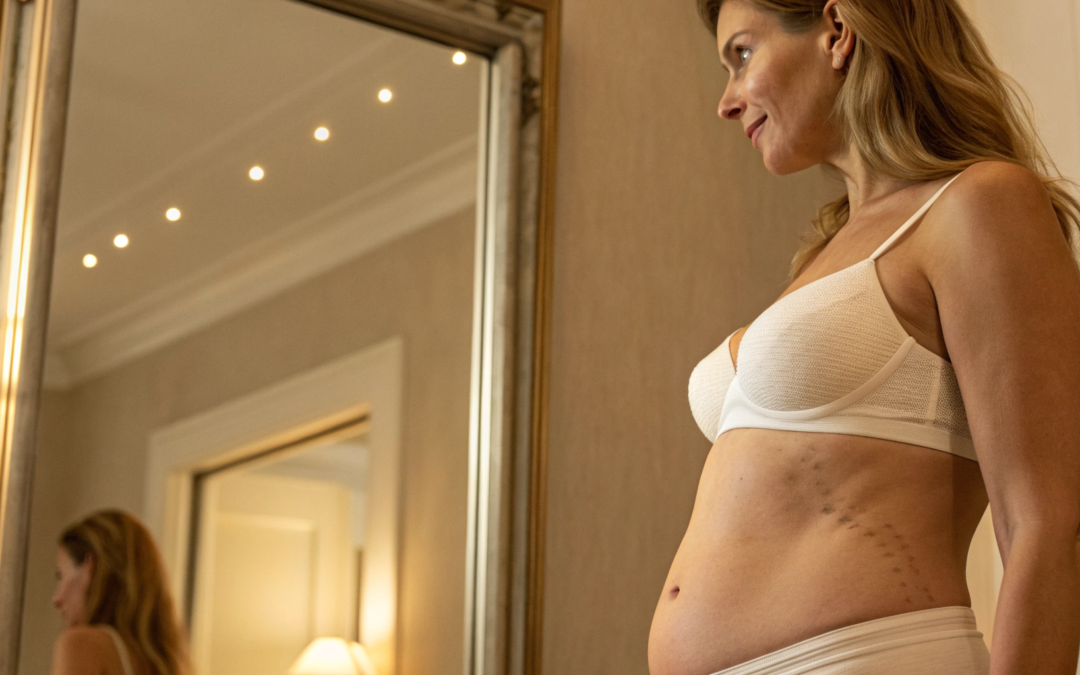
A scar on your stomach can be more than just a mark—it can be a constant, uncomfortable reminder. If you’re tired of feeling that tight, pulling sensation or strategically choosing clothes to keep it hidden, you have options. Abdominal scar revision is designed to address both how a scar looks and how it feels. The procedure uses specialized techniques to improve texture and color while releasing the tension that causes discomfort. Seeing real abdominal scar revision before and after photos is the best way to understand what this treatment can achieve, helping you move forward with confidence.
Key Takeaways
- Focus on Improvement, Not Erasure: The goal is to trade a prominent scar for one that’s much finer, flatter, and better blended with your skin. A successful procedure makes the scar significantly less noticeable, but it doesn’t remove it entirely.
- Your Recovery Habits Shape Your Final Results: The success of your procedure extends beyond the operating room. Diligently following aftercare instructions, especially protecting the new scar from the sun, is critical for achieving the best possible outcome as it heals over the next year.
- Prioritize a Surgeon’s Specialization and Experience: Look for a board-certified surgeon with specific, proven experience in scar revision. Use your consultation to ask about their techniques for your type of scar and to review their portfolio to ensure their aesthetic aligns with your goals.
What Can Abdominal Scar Revision Do for You?
If you have a scar on your stomach that makes you feel self-conscious, you’re not alone. Many people have them, whether from a C-section, a tummy tuck, or a past injury. Abdominal scar revision is a procedure designed to make these scars less noticeable. The goal isn’t to erase the scar completely—that’s not possible—but to improve its appearance by changing its size, shape, or color. It can also address issues like puckering, indentation, or a tight feeling around the scar.
In some cases, a previous surgery may have distorted or removed the belly button. Scar revision can also involve techniques to rebuild a more natural-looking navel. The right approach depends entirely on your specific scar and your goals. A skilled surgeon can use a variety of techniques, from simple topical treatments to more involved surgical procedures, to create a smoother, flatter, and less visible scar that blends in better with your surrounding skin. It’s about restoring confidence and helping you feel more comfortable in your own skin.
Which Abdominal Scars Can Be Improved?
Scar revision can address a wide range of abdominal scars. One of the most common reasons people seek this procedure is to improve the appearance of a C-section scar, which can sometimes heal as a thick, raised, or indented line. Scars from other surgeries, like an appendectomy or hernia repair, are also frequently treated. Even scars from childhood accidents or injuries can be revised years later.
The procedure is effective for different scar characteristics, including keloid scars (which are raised and grow beyond the original wound), hypertrophic scars (raised but confined to the wound boundary), and atrophic scars (which are thin and depressed). Our Comprehensive Breast Clinic also frequently addresses scarring from augmentations or lifts, as the principles of revision are similar across the body.
Is Abdominal Scar Revision Right for You?
The best way to determine if scar revision is right for you is through a one-on-one consultation. Generally, good candidates are in good overall health, don’t smoke, and have realistic expectations about the outcome. It’s also important that your scar is fully mature, which can take anywhere from six months to a year. Operating on a scar that is still healing can interfere with the natural process and may not yield the best results.
Ideal candidates often have scars that are flat and close in color to their surrounding skin. However, our board-certified surgeon can assess any type of scar to see what improvements are possible. During your visit, we’ll discuss your medical history, examine the scar, and talk through the options that will give you the best possible result.
Ideal Timing for Your Procedure
While you might be eager to improve your scar as soon as possible, patience is key to achieving the best results. Most surgeons recommend waiting at least 12 to 18 months after the original surgery or injury before considering revision. This waiting period is crucial because it allows the scar to fully mature, meaning it has softened, faded, and flattened as much as it will on its own. Revising a scar that is still in the active healing phase can lead to unpredictable outcomes. By waiting, you provide your surgeon with a stable foundation to work on, allowing for more precise and effective surgical techniques and a better final appearance.
When to Postpone Treatment
Your health and safety are the top priorities, and there are certain times when it’s best to postpone scar revision. The procedure is generally not recommended during pregnancy or while breastfeeding. The hormonal shifts and physical changes your body goes through during these times can significantly impact how your skin heals, potentially compromising the results. It’s better to wait until your body has returned to its pre-pregnancy state. Additionally, if you have any active skin infections or conditions near the scar, treatment should be delayed until they are fully resolved to ensure a safe procedure and optimal healing. Our commitment to patient safety guides every recommendation we make.
Addressing Functional Concerns
Sometimes, a scar is more than just a cosmetic issue—it can cause physical discomfort. Scar revision can also address functional problems like puckering, where the skin around the scar is gathered or wrinkled, or indentation that creates a noticeable divot. If you experience a persistent tight feeling that restricts your movement or pulls on the surrounding skin, the procedure can release that tension. By using specialized techniques to remodel the scar tissue, a surgeon can not only improve the scar’s appearance but also restore comfort and a more natural range of motion to the area.
How Does the Scar Revision Process Work?
Abdominal scar revision isn’t a single procedure but a range of techniques tailored to your specific needs. The best approach depends entirely on the type, size, location, and age of your scar. The goal is always to make the scar less noticeable and improve its appearance, not to erase it completely. Think of it as trading a prominent, distracting scar for one that is much finer, flatter, and better blended with your surrounding skin.
During your consultation, we’ll carefully examine the scar tissue and discuss what bothers you most about it. Is it the color, the texture, its width, or the way it pulls on your skin? Answering these questions helps us create a personalized treatment plan. This plan might involve a single technique or a combination of surgical and non-surgical methods to achieve the best possible outcome. Our approach at the European Cosmetic Clinic is to find the most effective and efficient path to results you’ll feel confident about.
Your Surgical Treatment Options
For scars that are wide, raised, or depressed, a surgical approach is often the most effective solution. The most common technique is an excision, where the old scar tissue is carefully removed. Then, we meticulously close the incision in layers to create a new, thin, and less visible scar. It’s a precise process designed to give your skin a second chance at healing under ideal conditions.
Another powerful surgical method is called Z-plasty. This technique is perfect for scars that restrict movement or lie awkwardly across natural skin folds. By making strategic Z-shaped incisions, we can reposition and change the direction of the scar, helping it blend into your skin’s natural lines and creases. This not only improves the scar’s appearance but can also release tightness.
Specialized Surgery for Adherent Scars
Sometimes, an abdominal scar doesn’t just heal on the surface; it attaches to the deeper tissues underneath. This is called an adherent scar, and it can feel tight, cause puckering, or even restrict your movement. Trying to remove the entire scar can be complex and carries risks because of how close it is to internal structures. It’s a tricky situation, but thankfully, there’s a more advanced surgical approach that avoids these challenges.
Instead of a complete removal, a specialized technique focuses on carefully excising only the top layers of the adherent scar. The deeper, attached portion is left in place to act as a stable base. Your surgeon then brings healthy, surrounding skin over this base and meticulously stitches it to create a much smoother, flatter surface. This proven method not only improves the scar’s appearance but also relieves the discomfort and tightness. It’s a precise procedure that requires significant skill, so it’s essential to find a surgeon experienced in this type of scar revision surgery to get the best results.
Exploring Non-Surgical Treatments
If your primary concerns are scar color and surface texture, non-surgical treatments can make a significant difference. Laser treatments are excellent for reducing redness and evening out pigmentation, helping the scar fade into the background. They can also stimulate collagen production to smooth out raised or uneven scar tissue. This process is gradual and typically requires a series of sessions to achieve the final result.
Dermabrasion is another effective option for surface-level irregularities. This technique involves gently sanding down the outermost layers of the scar and the surrounding skin. By removing the damaged surface, we encourage new, smoother skin to grow in its place, which helps the scar blend in more seamlessly. It’s a great way to refine the skin’s texture without invasive surgery.
Injectable Treatments
For scars that are raised, thick, or tight, injectable treatments offer a targeted way to improve their appearance from the inside out. Corticosteroid injections are a common choice for keloid and hypertrophic scars, as they work directly within the scar tissue to reduce inflammation, soften its texture, and decrease its size. For scars that are sunken or indented, such as those left from certain injuries, dermal fillers can be a fantastic solution. By carefully injecting a filler substance beneath the scar, we can lift the depression to make it level with the surrounding skin, creating a much smoother surface.
Other Skin Resurfacing Methods
Beyond lasers, other skin resurfacing techniques can effectively address scar color and texture. Chemical peels, for example, use a specially formulated solution to gently remove the outermost layers of skin. This process encourages new, healthy skin to emerge, which can help mild surface scars blend in more naturally. Another highly effective method is microneedling. This treatment creates tiny, controlled micro-injuries in the skin, which stimulates your body’s natural collagen production and healing response. As the skin repairs itself, it remodels the scar tissue, resulting in a softer, flatter, and less noticeable appearance over time.
Topical and Pressure Therapies
Effective scar management often continues at home with simple, non-invasive treatments. These are especially important for new scars or as part of your aftercare routine following a revision procedure. Silicone gel sheets or ointments are a gold standard in scar care. When applied consistently, they hydrate the scar tissue and can significantly reduce redness, itching, and thickness, helping to prevent a raised scar from forming. For some scars, particularly after a burn or larger surgery, pressure therapy using a special elastic garment may be recommended. The constant, gentle pressure helps to flatten and soften the scar as it matures.
Treating More Complex or Difficult Scars
Some scars require a more sophisticated approach. For long, linear scars, advanced surgical patterns like W-plasty or M-plasty can be used. These techniques break up the straight line of the scar into a subtle, irregular pattern that is much harder for the eye to follow, effectively camouflaging it. In cases where a significant amount of skin has been damaged or lost, we may use skin grafts or tissue expansion. These methods allow us to bring healthy, undamaged skin to the area to create a much better cosmetic result. Handling these complex cases requires a high level of skill and artistry, which is central to our surgeon’s expertise.
What Kind of Results Can You Expect?
Thinking about abdominal scar revision is exciting, but it’s important to have a clear picture of what the procedure can achieve. The goal is always improvement, not complete erasure. A successful revision can dramatically change a scar’s appearance, making it much less noticeable and helping you feel more confident. The final outcome depends on your specific scar, your body’s healing process, and the technique used. During your consultation, we’ll discuss your goals and create a realistic plan for what you can expect from the treatment.
Seeing is Believing: Before & After Photos
After a successful scar revision, you can expect a significant improvement in the scar’s texture, color, and overall appearance. Raised or indented scars can become flatter and smoother, blending more naturally with the surrounding skin. Discoloration, whether red, brown, or pale, can be corrected to better match your skin tone. For wide or stretched scars, the revision aims to create a much finer, less conspicuous line. The ultimate goal is to transform a prominent scar into one that you and others will barely notice. Our various clinics are equipped with the technology to address these different concerns effectively and help you achieve a smoother, more even look.
Your Results Timeline: From Day One to Final Look
Patience is key when it comes to seeing your final results. Immediately after the procedure, you’ll likely experience some swelling, redness, and bruising, which is a normal part of the healing process. Over the first few weeks, the initial healing will take place, but the scar’s journey is far from over. It can take anywhere from six months to over a year for a scar to fully mature and settle into its final appearance. During this time, the scar tissue will continue to remodel, soften, and fade. We will guide you on using tools like silicone sheets or specific creams to support this process and ensure the best possible outcome.
What Affects Your Final Results?
Every person’s healing journey is unique, and several factors can influence your final results. Your skin type, age, genetics, and even the scar’s original cause can play a role in how your body responds to treatment. Following your aftercare instructions carefully is one of the most critical things you can do to guide the healing process. While before-and-after photos are a great way to see what’s possible, it’s important to remember that your results will be your own. The best way to understand what you can personally achieve is to schedule a consultation where we can assess your scar and discuss a tailored treatment plan.
What Is Recovery Like After Scar Revision?
Understanding the recovery process is just as important as understanding the procedure itself. Healing is a journey, and knowing what to expect can help you feel prepared and confident every step of the way. While your surgeon will give you specific instructions tailored to your procedure, the healing timeline generally follows a few key phases. Our team is committed to supporting you throughout your recovery, ensuring you have the information and care you need for a smooth experience. We believe in a comprehensive approach to patient care, which includes being there for you long after you’ve left our clinic. If you ever have questions about your healing process, we encourage you to contact us directly. Let’s walk through what you can typically expect after an abdominal scar revision.
The Procedure Itself: Duration and Anesthesia
The time spent in the operating room for an abdominal scar revision depends on the complexity of your scar. A simple excision might be relatively quick, while a more intricate procedure involving techniques like Z-plasty could take longer. The specific approach is always tailored to your scar’s unique characteristics—its size, depth, and location. To ensure you are completely comfortable and pain-free, the procedure is performed under general anesthesia, meaning you will be fully asleep. This allows our board-certified surgeon to work with meticulous precision without you feeling anything. Your safety and comfort are our top priorities, and using general anesthesia helps us achieve the best possible surgical outcome while ensuring you have a stress-free experience.
What to Expect in the First Week
The first week is all about rest and allowing your body to begin its natural healing process. It’s completely normal to see some swelling, redness, tenderness, and bruising around the treatment area. Your main job during this time is to take it easy and avoid putting any tension or strain on the incision site. This means limiting activities and following your surgeon’s guidance on movement. Think of this initial period as laying the foundation for a great result. By giving your body the downtime it needs, you’re helping the incision heal properly from the very start.
Managing Pain and Discomfort
You’re probably wondering about pain, and the good news is that abdominal scar revision isn’t considered a highly painful procedure. Most people find that any discomfort is easily managed with simple, over-the-counter painkillers like ibuprofen or paracetamol. The discomfort is typically most noticeable during the first few days after your surgery and should gradually fade over the course of a week. Of course, everyone’s pain tolerance is different, and we’ll provide you with detailed instructions for managing it. If you ever feel like your discomfort is more than you expected, it’s important to contact us so we can help. Our goal is to make your recovery as smooth and comfortable as possible.
Long-Term Healing: The Next 6-12 Months
After the initial healing phase, your scar will enter what’s known as the maturation phase. This is a longer period, lasting anywhere from six to twelve months, where the scar tissue continues to remodel, soften, and fade. You’ll notice it gradually becoming less prominent and blending in more with your surrounding skin. Patience is key here. To support this process, we often recommend using tools like silicone sheets, creams, or patches. These can help guide the healing and improve the scar’s final texture and color. Our European and American experience informs our post-operative care recommendations, ensuring you have access to effective techniques.
Your Guide to Aftercare and Best Results
Your commitment to aftercare plays a huge role in the final appearance of your scar. To get the best possible result, there are a few simple but important things you can do. Staying hydrated by drinking plenty of water is crucial, as it helps your body heal more efficiently. You’ll also need to keep the incision site clean and moisturized according to your surgeon’s instructions. Protecting the new scar from sun exposure is non-negotiable, as UV rays can cause it to darken permanently. Once your surgeon gives you the green light, gently massaging the scar tissue can also help improve its flexibility and appearance over time.
Your Follow-Up Schedule
Your care journey doesn’t end when you leave our center. Follow-up appointments are a crucial part of the process, allowing us to monitor your healing and ensure you’re on track for the best possible result. We’ll typically schedule check-ups for one week, six weeks, three months, and six months after your procedure. These visits give us a chance to see how your scar is maturing, answer any questions you have, and make adjustments to your aftercare plan if needed. Think of us as your partners in this process; we’re here to support you every step of the way. If you ever have a concern between appointments, we always encourage you to reach out to our team.
A Detailed Recovery Timeline
Your recovery will happen in stages, and it’s helpful to know what to expect. The first week is dedicated to initial healing, where rest is your top priority. You’ll notice the incision site starting to close, though some redness and swelling are normal. Over the next several weeks, the new scar will begin to form and strengthen. The most important phase, however, is the long-term maturation, which can last up to a year. During this time, your scar will gradually soften, flatten, and fade. Our board-certified surgeon will guide you through each phase, providing personalized advice to support your body’s natural healing process and help you achieve a smooth, refined outcome.
Returning to Work and Driving
Taking adequate time off is essential for a smooth recovery. Most people plan to take about seven to ten days off from work, especially if their job involves physical activity. If you have a desk job, you might feel ready to return sooner, but it’s important to avoid any strain on your abdomen. When it comes to driving, you should wait at least two weeks. This ensures you are no longer taking prescription pain medication and can comfortably and safely operate a vehicle, including twisting or braking suddenly without causing pain or tension on the incision site. Always listen to your body and get your surgeon’s approval before resuming your normal routine.
Resuming Exercise and Strenuous Activity
While light walking is encouraged soon after your procedure to promote circulation, you’ll need to hold off on more intense workouts. You should wait at least six weeks before returning to the gym or engaging in any strenuous activities like running, weightlifting, or core exercises. Putting too much tension on a new scar too early can cause it to stretch or widen, which can compromise your final result. After six weeks, and with your surgeon’s clearance, you can gradually reintroduce your fitness routine. This careful and patient approach to recovery is a standard of care across all our specialized clinics, as it is fundamental to achieving excellent, lasting results.
A Transparent Look at Risks and Safety
Any surgical procedure comes with potential risks, and abdominal scar revision is no exception. The best way to ensure a smooth, safe experience is to be fully informed. Understanding what to expect during recovery and how to care for yourself properly puts you in control of your healing journey. It all starts with choosing a surgeon you trust to guide you through the process, ensuring you feel confident and supported every step of the way.
Managing Common Side Effects
After your procedure, it’s completely normal to experience some swelling, redness, tenderness, and bruising around the treatment area. Think of these as signs that your body has started its natural healing process. The best way to manage these effects is to give yourself plenty of time to rest and avoid putting any tension or strain on the incision, as this allows the tissues to mend properly. Following your personalized aftercare instructions is key to a comfortable recovery. We’ll provide you with a detailed plan, including tips on how to sleep and move, to help you feel your best as your new, smoother skin begins to reveal itself.
Understanding Potential Complications
While abdominal scar revision is a very safe procedure, especially with an experienced surgeon, it’s smart to know about the less common issues that can arise. Being informed helps you recognize potential problems early and work with your surgeon to address them quickly. At our center, patient safety and transparency are our top priorities. We believe that a well-informed patient is an empowered one, so we make sure to discuss all potential outcomes during your consultation. This ensures you have a complete picture and can move forward with confidence, knowing you’re in capable hands.
Hematoma and Seroma
Two potential complications you might hear about are hematoma and seroma. They sound technical, but the concepts are simple. A hematoma is a collection of blood under the skin, while a seroma is a similar collection, but of clear body fluid. Both can create a feeling of pressure, swelling, or a noticeable lump near the incision. While your body can sometimes absorb these fluid collections on its own, they may require a simple drainage procedure to help them resolve. If you notice any unusual swelling or discomfort, it’s important to contact your surgeon right away so we can assess the area and ensure your healing stays on track.
Asymmetry
Another consideration is asymmetry, which can happen if the scar doesn’t heal in a perfectly even line. This might result in a slight difference in appearance from one side of the scar to the other. A skilled surgeon minimizes this risk through meticulous planning and precise surgical technique, aiming for the most balanced and natural-looking result possible. However, it’s important to have realistic expectations; our bodies aren’t perfectly symmetrical, and minor variations in healing can occur. During your consultation, we’ll discuss the techniques used to minimize this risk and what you can realistically expect from your final outcome.
When to Call Your Doctor
While minor side effects are expected, it’s also important to know what isn’t normal. Keep an eye on the incision site as it heals. If you notice a significant increase in redness or swelling, or if you see any discharge, these could be signs of an infection. Your health and safety are our top priorities, so we encourage you to contact our clinic immediately if you experience anything unusual or concerning. There’s no such thing as a silly question when it comes to your recovery, and our team is always here to help.
How You Can Help Ensure a Safe Procedure
You play a huge role in the success of your procedure long before you even arrive at our clinic. To prepare your body for surgery and support a strong recovery, focus on maintaining a healthy diet and staying well-hydrated. It’s also crucial to avoid smoking and alcohol, as they can interfere with healing. After your procedure, carefully follow all activity restrictions, which will likely include avoiding heavy lifting for several weeks. Adhering to the specific post-operative instructions provided by your board-certified surgeon is the single most effective way to ensure a beautiful, lasting result with minimal complications.
Pre-Surgery Preparation
Your journey to a smoother scar starts long before the day of your procedure. It begins with your one-on-one consultation, where we’ll confirm your scar is fully mature and ready for revision. To prepare your body for surgery and support a strong recovery, you can focus on maintaining a healthy diet and staying well-hydrated. It’s also crucial to avoid smoking and alcohol, as they can interfere with healing. Planning ahead by arranging for help at home and taking time off work will allow you to rest properly. Our goal is to ensure you feel fully informed and confident, so we encourage you to ask any questions you have during your visit.
How Much Does Abdominal Scar Revision Cost?
One of the first questions on anyone’s mind when considering a procedure is, “What’s the investment?” The cost of abdominal scar revision isn’t a single, fixed price. It varies quite a bit because every scar and every patient is unique. The final price tag depends on the complexity of your scar, the specific techniques required to treat it, and other factors we’ll explore below.
Think of it as a personalized treatment plan where the cost is tailored to your specific needs. During your consultation, we provide a detailed breakdown of all associated fees so you have a clear and complete picture of the investment before making any decisions.
What Determines the Final Cost?
The total cost of your scar revision is a sum of several parts. The complexity of the scar is the biggest factor—a small, simple scar might cost around $500 to revise, while a larger, more complicated one requiring advanced techniques like a skin graft will be more. The surgeon’s fee, which can range from $2,000 to $5,000, reflects their experience and the intricacy of the procedure.
Beyond the surgeon’s fee, the overall scar revision cost typically includes anesthesia fees, the cost of the surgical facility, any necessary prescriptions for your recovery, and post-surgery garments. We believe in full transparency, so we’ll walk you through each of these components to ensure there are no surprises.
Will Insurance Cover My Procedure?
It’s important to understand how insurance views scar revision. Most insurance plans do not cover procedures that are performed for purely cosmetic reasons. However, if your scar is the result of an injury or previous surgery and causes pain, restricts movement, or leads to other medical issues, it may be considered a reconstructive procedure. In these specific cases, your insurance provider might offer partial or full coverage.
The best first step is to check directly with your insurance company to understand the specifics of your policy. Our team is also here to help you with the necessary documentation if your procedure is deemed medically necessary.
Flexible Financing and Payment Options
We believe that everyone deserves to feel confident in their skin, and we don’t want financial concerns to stand in the way. Many plastic surgery practices offer financing plans to make the procedure more accessible, and we are no exception. These plans allow you to break down the total cost into manageable monthly payments that fit your budget.
We are happy to discuss the different financing and payment options available to you. To learn more about how we can create a financial plan that works for you, please contact our office. Our patient care coordinators can guide you through the application process and answer any questions you have.
Can You Combine Scar Revision with Other Procedures?
If you’re already planning a cosmetic procedure, you might be wondering if you can take care of an old abdominal scar at the same time. The answer is often yes. Combining treatments can be a smart and efficient way to address multiple aesthetic goals in a single session, streamlining both the process and your recovery.
How to Time Your Combined Procedures
Pairing scar revision with another surgery is a common practice. For example, if you’re planning a tummy tuck, your surgeon can often incorporate the scar revision into the procedure, sometimes removing the old scar entirely as part of the new incision. The key is careful planning. During your consultation, it’s important to discuss all your goals so your surgeon can create a timeline that ensures the best possible healing and outcome for each procedure. Whether you’re considering a breast augmentation or another body contouring treatment, we can help you map out a surgical plan that makes sense for your body and your schedule.
Why It Can Make Sense to Combine Treatments
One of the biggest advantages of combining procedures is efficiency. You’ll only have one surgical appointment and one recovery period, which saves you time and simplifies aftercare. Beyond convenience, this approach can also lead to more comprehensive results. For instance, a surgical scar excision can be paired with non-surgical treatments like laser skin resurfacing to improve the texture and tone of the surrounding skin. This layered approach allows your surgeon to address the scar from multiple angles, leading to a smoother, more refined final look. Our European Cosmetic Clinic offers a range of treatments that can complement your surgical results beautifully.
How to Choose the Right Surgeon for You
Choosing the right surgeon is the single most important decision you’ll make on your scar revision journey. The person you select will not only perform the procedure but will also guide you through the entire process, from the initial consultation to your final follow-up. This choice directly influences your safety, your comfort, and the quality of your results. Taking the time to research your options and ask the right questions ensures you place your trust in capable, experienced hands.
Look for Board Certification and Experience
When you’re looking for a surgeon, board certification is the absolute baseline. It confirms that a surgeon has completed extensive training, passed rigorous exams, and is committed to the highest standards of patient safety and ethical practice. But beyond that, you want a surgeon with deep experience specifically in scar revision. This isn’t a one-size-fits-all procedure; different scars require different techniques. An experienced surgeon has a better understanding of how to handle unique challenges and can create a surgical plan tailored to your specific needs. Our board-certified surgeon brings years of specialized European and American training to every procedure, ensuring you receive expert care.
What to Ask During Your Consultation
Your consultation is your opportunity to interview your potential surgeon and make sure you feel confident in their care. Don’t be shy about asking direct questions. A great surgeon will welcome them and provide clear, honest answers.
Come prepared with a list, including questions like:
- How many abdominal scar revision procedures have you performed?
- Which surgical or non-surgical technique do you recommend for my scar, and why?
- What kind of results can I realistically expect?
- What does the recovery and post-operative care plan involve?
This conversation is key to building trust and setting clear expectations. When you’re ready, we invite you to schedule a consultation to discuss your goals with us.
How to Read a Before-and-After Gallery
A surgeon’s before-and-after photos are a visual portfolio of their work. When reviewing them, look for more than just dramatic transformations. Pay attention to consistency across different patients and look for cases similar to your own in terms of scar type and location. This can give you a more realistic idea of the potential outcome. Most importantly, remember that these photos represent real people, and individual results will always vary. During your consultation, ask to see photos of past scar revision patients. This will help you visualize what’s possible and assess the surgeon’s aesthetic approach to see if it aligns with your vision for one of our specialized clinics.
Related Articles
- Tummy Tuck | Advanced Cosmetic & Aesthetic Surgery Center
- Skin Resurfacing | Advanced Cosmetic & Aesthetic Surgery Center
- Scarless Follicular Hair Transplant | Advanced Cosmetic & Aesthetic Surgery Center
Book Appointment
Frequently Asked Questions
Will my scar be completely gone after the procedure? The goal of scar revision is significant improvement, not complete removal. It’s not possible to erase a scar entirely, but we can make it much less noticeable. Think of it as trading a prominent, distracting scar for one that is finer, flatter, and blends in much better with your surrounding skin. The final result is a scar that you and others will barely notice.
How long do I have to wait to get my scar revised? It’s best to wait until your scar is fully mature before considering revision. This healing process can take anywhere from six months to a year, or sometimes longer. Operating on a scar that is still actively healing can interfere with the natural process and may not give you the best outcome. During your consultation, we can assess your scar to determine if it’s ready for treatment.
Is the scar revision procedure painful? We take every measure to ensure you are comfortable during the procedure. For surgical revisions, you will receive anesthesia so you won’t feel anything. Afterward, it’s normal to experience some tenderness and soreness at the treatment site, but this is typically manageable with the pain medication we prescribe. Most patients find the discomfort to be mild and short-lived.
When can I get back to my normal routine and exercise? Your recovery timeline will depend on the specific technique used. For most surgical revisions, you’ll need to take it easy for the first week or two and avoid any strenuous activity or heavy lifting for about four to six weeks. This gives the incision time to heal properly without added tension. We will provide you with a detailed aftercare plan that outlines exactly when you can safely resume your normal activities.
What happens if I don’t like the result of my scar revision? Your satisfaction is our top priority, which is why we focus on setting clear, realistic expectations from the very beginning. While complications are rare, the final appearance of a scar depends heavily on your individual healing process. If you have concerns about your results as you heal, we encourage open communication. We will follow your progress closely and can discuss options for further refinement once the scar has fully matured.
Recent Comments