
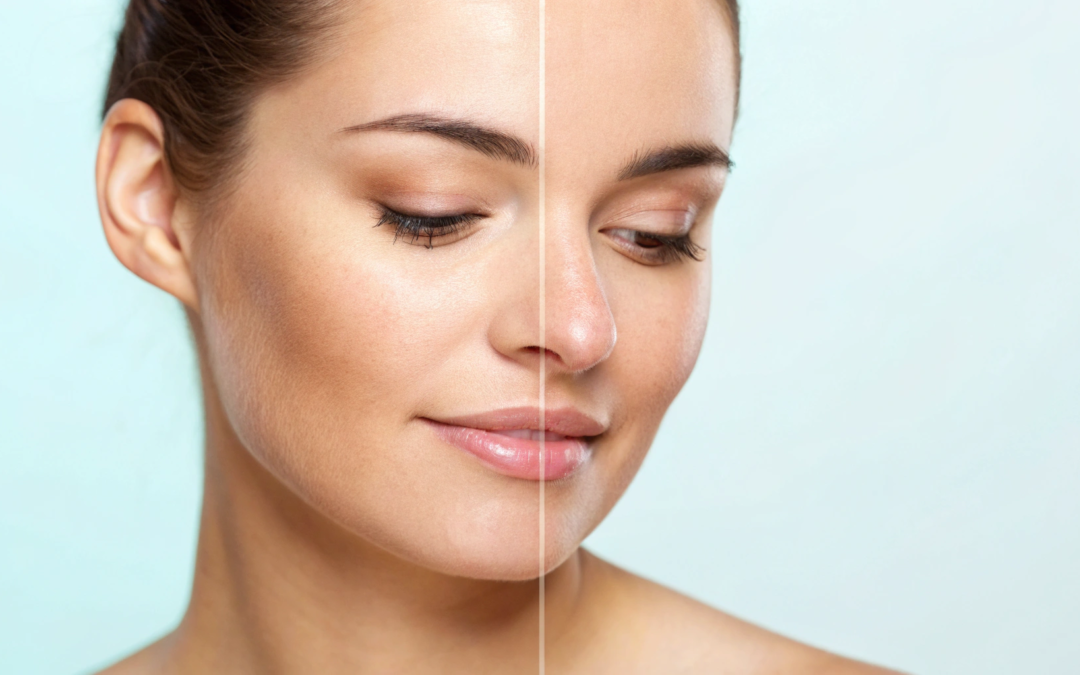
The before-and-after photos of CO2 laser skin resurfacing are hard to ignore. You see deep wrinkles soften, acne scars smooth out, and years of sun damage practically vanish. It’s one of the most powerful ways to truly reset your skin, but it’s also a serious commitment. This procedure is a partnership between advanced technology and your body’s own healing process. To get those incredible results, you need to understand the journey. We’ll walk you through the entire process, from the treatment itself to the full recovery timeline, so you know exactly what to expect.
Key Takeaways
- Address deep skin concerns effectively: CO2 laser resurfacing is a powerful solution for significant issues like deep wrinkles, acne scars, and sun damage because it works beneath the surface to rebuild collagen and create smoother, renewed skin.
- Commit to the recovery for the best outcome: Your final results unfold over three to six months, not overnight. Following aftercare instructions, especially protecting your skin from the sun, is crucial for proper healing and achieving a beautiful, lasting transformation.
- Your provider’s skill is the most important factor: The safety and quality of your results depend entirely on the person performing the treatment. Ensure you choose a board-certified surgeon with specific experience in CO2 laser technology for a precise and effective procedure.
What Is CO2 Laser Skin Resurfacing?
If you’re looking for a treatment that delivers a serious transformation for your skin, CO2 laser resurfacing is one of the most effective options available. Think of it as a powerful reset button for your face. This procedure uses advanced laser technology to address a wide range of skin concerns in a single treatment, from deep wrinkles to significant sun damage. It’s a go-to for patients who want to achieve smoother, tighter, and more youthful-looking skin.
At our European Cosmetic Clinic, we use this technology to help you achieve dramatic, long-lasting results by working with your body’s natural healing process. It’s a well-established procedure known for its ability to completely renew the skin’s surface.
How Does a CO2 Laser Actually Work?
The CO2 laser works by delivering a concentrated beam of light energy to your skin. This process, known as an ablative treatment, precisely removes the thin, outer layers of damaged skin. This controlled removal triggers your body’s natural healing response, stimulating the production of new collagen—the protein that gives your skin its firmness and elasticity. As the treated area heals, fresh, healthy skin cells replace the old ones. The result is a completely renewed skin surface that is smoother, tighter, and more even in tone. It’s a highly effective way to essentially create a fresh canvas for your skin.
Vaporizing Damaged Skin Cells
The CO2 laser uses a highly focused beam of light to gently vaporize the thin, outer layers of your skin where damage like sun spots, fine lines, and scars reside. This process is what experts call an “ablative” treatment, and it’s incredibly precise. But the treatment doesn’t stop there. By creating these controlled micro-injuries, the laser signals your body to begin its natural healing process, which includes producing a flood of new collagen. As the American Board of Cosmetic Surgery explains, this deep collagen stimulation is what helps create smoother, firmer skin from within. Essentially, the procedure works in two powerful ways: it removes the damaged surface and simultaneously rebuilds a stronger, healthier foundation underneath.
What Skin Concerns Can a CO2 Laser Address?
One of the biggest advantages of CO2 laser resurfacing is its versatility. This treatment is powerful enough to address some of the most stubborn skin issues that other procedures can’t fix. It’s an excellent solution for reducing the appearance of fine lines and deeper wrinkles, especially around the eyes and mouth. The treatment can also significantly improve the texture of acne scars and other types of scarring. If you’re concerned about sun damage, age spots, or an uneven skin tone, the CO2 laser can help create a more uniform complexion. Many patients at our Face & Neck Clinic also choose this treatment to tighten loose skin for a firmer look.
Treating Pre-Cancerous Spots and Other Growths
Beyond its cosmetic benefits, CO2 laser resurfacing also serves an important health function. The treatment is precise enough to remove damaged tissue, which means it can be used to prevent or treat some early skin cancers and other pre-cancerous spots. Years of sun exposure can lead to growths that are not only a cosmetic concern but also a potential health risk. By vaporizing these superficial layers of skin, the laser effectively removes the abnormal cells before they have a chance to develop further. This makes the procedure a proactive step for many patients who want to address both the look and health of their skin simultaneously, offering peace of mind alongside visible rejuvenation.
Reducing “Baggy Eyes” and Enlarged Pores
The delicate skin around the eyes is often one of the first areas to show signs of aging. CO2 laser resurfacing is particularly effective for tightening loose skin in this area, which helps reduce the appearance of “baggy eyes” for a more rested and youthful look. The treatment also refines the skin’s overall texture. If you’re dealing with enlarged pores or uneven skin tone, the laser helps by stimulating collagen and revealing a smoother, more uniform surface. As the new skin heals, you’ll notice a significant improvement in texture and complexion, making it a comprehensive solution for anyone looking to rejuvenate their appearance at our Face & Neck Clinic.
How Long Does the Procedure Take?
You might be surprised to learn that such a transformative treatment doesn’t take all day. The length of a CO2 laser resurfacing procedure really depends on the size of the area being treated. If you’re focusing on a smaller spot, it could be quite quick. For a full-face treatment, you can generally expect the session to last anywhere from 30 minutes to two hours. It’s a highly efficient process performed right in the clinic. One of the best parts is that it’s an outpatient procedure, which means you’ll be able to head home the very same day to start your recovery. There’s no need for an overnight hospital stay, making it a convenient option for fitting into your schedule.
What Results Can You Expect?
This is the question everyone wants answered, and for good reason. A CO2 laser treatment is an investment in your skin, and you want to know what kind of return you can expect. The short answer is: the results can be truly transformative. This procedure is considered one of the most effective ways to achieve significant skin rejuvenation, tackling everything from deep wrinkles and sun damage to stubborn acne scars. It’s not a subtle tweak; it’s a comprehensive reset for your skin’s texture and tone.
However, it’s important to understand that these incredible results don’t appear overnight. The process involves a healing period followed by weeks and months of cellular renewal as your body produces fresh, new collagen. Think of the procedure as laying the foundation for healthier, smoother, and more youthful-looking skin. The final outcome is a complexion that looks naturally refreshed and revitalized. With the right provider and proper aftercare, you can achieve lasting improvements that help you feel more confident in your skin for years to come.
Expect Smoother, More Even-Toned Skin
One of the primary benefits of CO2 laser resurfacing is a dramatic improvement in your skin’s overall texture and tone. The treatment works by precisely removing the outer, damaged layers of skin, revealing the healthier skin underneath and stimulating a powerful healing response. This process is highly effective for smoothing out fine lines and wrinkles, reducing the appearance of sun spots, and minimizing acne scars. It can also address a variety of other skin conditions, including certain benign growths and enlarged oil glands. The result is a complexion that is not only tighter and firmer but also more even and radiant.
When Will You See Your Final Results?
Patience is a virtue, especially when it comes to CO2 laser recovery. While you’ll see initial changes once the first week of healing is over, the most significant results unfold over time. Your skin needs time to regenerate and build new collagen, which is the protein responsible for its strength and elasticity. You can expect to see your skin fully settle and show its true, refreshed look around the three-month mark. But the improvements don’t stop there—your body continues to produce new collagen for up to six months after the procedure. This means your skin’s texture and tightness will continue to get better long after your treatment is complete.
A Realistic Look at Your CO2 Laser Outcome
While it’s common to hear patients say the treatment “knocked 10 years off,” the goal is always to achieve the best possible version of your own skin. Your individual results will depend on your skin type, the specific concerns being addressed, and your body’s unique healing process. During your consultation at our Face & Neck Clinic, we’ll have an honest conversation about what this treatment can realistically achieve for you. We’ll show you before-and-after photos of our actual patients so you can get a clear sense of the potential outcomes. A successful treatment starts with a shared understanding of the goals and a clear vision for your results.
How Much Improvement Can You Expect for Acne Scars?
For those of us who have dealt with the lasting reminders of breakouts, acne scars can be a particularly stubborn concern. The good news is that CO2 laser resurfacing is one of the most effective treatments available for significantly improving their appearance. Because the laser removes the damaged outer layers of skin and stimulates deep collagen production, it works to rebuild the skin from the inside out. This process helps fill in pitted scars and smooth out uneven texture, creating a much more uniform complexion. While the exact level of improvement depends on the type and depth of your scarring, many patients experience a dramatic reduction, achieving healthier-looking skin that helps them feel truly confident.
Your CO2 Laser Recovery: A Week-by-Week Guide
Knowing what to expect after your CO2 laser treatment can make the entire healing process feel more manageable. Your skin will go through several distinct phases as it repairs itself, and while it requires some patience, the fresh, renewed skin waiting on the other side is worth it. Think of this time as a crucial part of the treatment itself—giving your skin the care it needs to heal beautifully is just as important as the procedure.
Our team at the European Cosmetic Clinic will provide you with detailed instructions, but here’s a general timeline of what you can anticipate as you recover.
What to Expect in the First Few Weeks
The first week is the most intensive phase of recovery. You’ll experience redness and swelling, similar to a significant sunburn. This is a normal and expected part of the healing process. Around five to seven days after your treatment, your skin will begin to feel dry and start to peel. It’s tempting, but don’t pick at it! This is the old, damaged layer of skin making way for the new, healthy skin underneath. Once this initial peeling is complete and the skin has healed over, you can typically start wearing makeup to help camouflage any lingering pink or red tones, which can persist for a few weeks.
The “Bronzing” and Peeling Phase
Once the initial redness and swelling start to fade, your skin moves into the next stage of healing. You’ll notice it taking on a darker, almost bronze-like tone as it dries out. This “bronzing” is a completely normal and positive sign that the treated layers are preparing to peel away, making room for the fresh, new skin underneath. This is where your patience really comes into play. The most important rule is to let your skin shed on its own schedule—no picking, rubbing, or scrubbing. Interrupting this process can disrupt healing. The American Board of Cosmetic Surgery confirms that this gradual darkening and peeling is an expected part of the recovery that ultimately reveals a healthier, renewed complexion.
How to Manage Redness, Swelling, and Peeling
Your comfort is a top priority, and there are simple ways to manage these temporary side effects. To help with swelling, try sleeping with your head elevated on an extra pillow for the first few nights. Gentle, cool compresses can also offer relief, but be sure to follow the specific instructions provided by your surgeon. The most important thing you can do for peeling skin is to let it shed on its own. Adhering to the special cleansing and moisturizing routine we provide for you at our Face & Neck Clinic will support the healing process and keep your new skin protected and hydrated.
How to Care for Your Skin After a CO2 Laser
Following your aftercare instructions to the letter is the single best way to ensure a smooth recovery and achieve the best possible outcome. This isn’t just about comfort—it’s about preventing complications like scarring or changes in skin color. The number one rule is to avoid the sun completely for at least one month after your procedure. Your new skin is incredibly sensitive, and sun exposure can cause serious damage. You should not use sunscreen on your healing skin during this initial month, as the ingredients can be irritating. Protecting your skin from the sun is the best way to protect your investment in yourself.
Your Daily Cleansing and Care Routine
Your daily aftercare routine is the most hands-on part of your recovery, and following it precisely is essential for a smooth healing process. At our Face & Neck Clinic, we will give you a specific cleanser and moisturizer designed for post-procedure skin. You’ll gently wash your face with your fingertips and lukewarm water—avoiding any washcloths or scrubbing—and then pat it dry with a clean, soft towel. Immediately afterward, apply a thick layer of the recommended moisturizer. This step is about more than just comfort; keeping your skin constantly hydrated prevents scabbing and supports the natural peeling process, allowing your new skin to emerge without complications. This dedicated care is what helps you achieve those beautiful, lasting results.
When to Call Your Doctor
While complications are rare, it’s important to know what to look for. We want you to feel supported throughout your recovery, so please contact us if you experience signs of infection, such as increased pain, yellow discharge, or a fever. You should also call if you have any concerns about scarring or notice any unusual changes in your skin. Some people, particularly those with darker skin tones, may experience temporary skin darkening known as post-inflammatory hyperpigmentation. If you notice this or have any other questions, don’t hesitate to reach out. We are here to guide you every step of the way.
Understanding the Long-Term Healing Timeline
Once you’re past the initial peeling phase, it’s easy to think the work is done, but the most exciting part of your skin’s transformation is just beginning. The CO2 laser treatment essentially lays the foundation for a complete cellular renewal process. Over the following weeks and months, your body will be busy producing fresh, new collagen—the key protein that gives skin its strength and youthful elasticity. While you’ll notice your skin looks better once the initial healing is over, the most profound and lasting improvements will unfold gradually. This slow, steady regeneration is what creates such natural-looking and significant results, making the commitment to proper aftercare so worthwhile.
Your Top CO2 Laser Questions, Answered
It’s completely normal to have questions before committing to a treatment like CO2 laser resurfacing. This procedure is a significant investment in your skin, and you deserve to feel confident and informed every step of the way. Let’s walk through some of the most common questions we hear from patients to give you the clarity you need.
Does It Hurt?
The idea of a laser on your face can sound intimidating, but the procedure is much more comfortable than you might think. Before the treatment begins, we apply a strong topical anesthetic to numb your skin, minimizing any discomfort. Most patients describe the sensation as a series of warm pinpricks. While you may feel some heat, it’s generally very manageable. Your comfort and safety are our top priorities. Choosing a board-certified surgeon with extensive experience ensures your treatment is not only effective but also as comfortable as possible.
How Much Downtime Is Really Needed?
Be prepared to clear your social calendar for about two weeks. This is the most intensive phase of healing, where you’ll experience redness, swelling, and peeling as your old skin gives way to the new, healthy skin underneath. While you’ll need to stay home and focus on aftercare during this time, the healing continues for weeks after. You’ll see improvements as the redness subsides, but the full benefits of the laser skin resurfacing will emerge over the next three to six months as your collagen continues to rebuild. Patience is key, and the final results are well worth the wait.
What About Scarring or Skin Discoloration?
When performed by a skilled and experienced professional, the risk of scarring from a CO2 laser is extremely low. The technology is precise and controlled. A more common concern is post-inflammatory hyperpigmentation (PIH), which is a temporary darkening of the skin. This is more likely to occur in individuals with darker skin tones. During your consultation at our Face & Neck Clinic, we will carefully assess your skin type and discuss your specific risk factors. A proper pre- and post-treatment skincare regimen is your best defense against any unwanted discoloration.
Can It Fix Deep Wrinkles and Acne Scars?
Yes, absolutely. CO2 laser resurfacing is considered a gold standard for treating significant textural issues like deep-set wrinkles and stubborn acne scars. The laser works by removing thin layers of damaged skin and heating the underlying dermis, which stimulates a powerful collagen-building response. This process effectively smooths out wrinkles and fills in scar tissue from the inside out. Patients often report dramatic improvements, with many feeling the treatment took years off their appearance. If you’re ready to see what’s possible for your skin, we encourage you to schedule a consultation to discuss your goals.
A Transparent Look at CO2 Laser Risks
Like any effective cosmetic procedure, CO2 laser resurfacing has potential side effects. Being informed helps you feel confident in your decision and prepared for recovery. We believe in complete transparency, so let’s walk through what you can expect. Our goal is to ensure you have a safe experience with results you love.
Expected Side Effects (and When They Fade)
After your treatment, it’s normal to experience temporary side effects as your skin heals. Think of it like a significant sunburn—you can expect redness, swelling, and peeling for several days to a couple of weeks. Your skin will also be extra sensitive to the sun, making sunscreen non-negotiable. Following your aftercare instructions is the best way to manage these effects and prevent complications like infection. If you have concerns during recovery, please contact us. We’re here to support you.
Less Common Side Effects to Be Aware Of
While the common side effects are a predictable part of the healing journey, it’s also smart to be aware of less common issues. Though rare with an experienced surgeon, potential complications can include infection, temporary acne flare-ups, or the reactivation of cold sores if you’re prone to them. Another possibility is a change in skin color, known as post-inflammatory hyperpigmentation, which can cause temporary dark spots, particularly for those with darker skin tones. The risk of more serious problems like scarring or burns is extremely low when your procedure is performed correctly. We discuss all of these possibilities with you beforehand so you feel fully prepared and know exactly what to watch for during your recovery.
Can CO2 Lasers Cause Hyperpigmentation or Scars?
While less common, it’s important to know about the risk of changes in skin pigmentation. The most frequent issue is post-inflammatory hyperpigmentation (PIH), a temporary darkening of the skin. This is more likely in darker skin tones but typically resolves on its own. Scarring is very rare when the procedure is performed by a skilled professional. This is why choosing a provider with deep expertise is critical. Our board-certified surgeon has extensive training, which minimizes risks and ensures the highest standard of care.
Is CO2 Laser Right for Everyone?
CO2 laser resurfacing is a fantastic treatment, but it isn’t suitable for everyone. Your safety is our top priority, so we conduct a thorough evaluation to ensure you’re a good candidate. Generally, this treatment should be avoided if you have active skin infections, like cold sores. Certain medical conditions, including HIV, hepatitis C, or connective tissue diseases, can also interfere with healing. During your consultation at our Face & Neck Clinic, we’ll review your medical history to determine if CO2 laser is the safest option for your goals.
Considerations for Darker Skin Tones
Your skin tone is a critical factor in determining if CO2 laser resurfacing is the right choice for you. This treatment is generally not recommended for darker skin tones because of a higher risk of developing post-inflammatory hyperpigmentation (PIH)—temporary or even permanent dark spots. The laser’s energy can sometimes trigger an overproduction of melanin in skin that is rich in it, leading to an uneven complexion after healing. The best way to know for sure is to have your skin assessed by an expert. During a consultation at our Face & Neck Clinic, we can evaluate your skin type and discuss the safest, most effective options to help you reach your goals.
Who Should Be Cautious About This Procedure?
While CO2 laser resurfacing is highly effective, certain conditions can make it a risky choice. If you have active acne, cold sores, or any other skin infection, you’ll need to wait until it has completely cleared up before undergoing treatment. Individuals with a history of keloid scarring or poor wound healing should also be cautious. It’s crucial to be completely transparent about your medical history and any medications you’re taking, as some can interfere with the healing process. The safest path forward always begins with an honest conversation, which is why we encourage you to schedule a consultation to ensure this procedure is the right fit for you.
How to Prepare for Your CO2 Laser Treatment
Getting ready for your CO2 laser treatment is just as important as the aftercare. Taking a few simple steps beforehand helps ensure your procedure is smooth and your results are fantastic. Think of it as setting the stage for the beautiful skin you’re working towards. It’s all about teamwork between you and your provider to create the best possible outcome. Here’s a clear checklist to guide you through the process, so you can walk into your appointment feeling confident and prepared for a successful treatment and recovery.
Preparing Your Skin Before Treatment
Your journey starts with a thorough consultation. This is where you and your provider will discuss your goals and medical history. During this meeting, our board-certified surgeon will assess your skin to confirm that CO2 laser resurfacing is the right choice for you. We’ll create a personalized pre-treatment skincare plan, which might include using specific products to prep your skin or stopping others, like retinoids, for a week or two before your appointment. This step is designed to get your skin in optimal condition for the laser, which helps with both the effectiveness of the treatment and the healing process afterward.
Avoiding Sun Exposure and Tanning
This is one of the most important rules for a successful outcome: you must strictly avoid direct sun exposure and all forms of tanning for at least four weeks before your appointment. Arriving with tanned or recently sun-exposed skin can interfere with the laser’s effectiveness and significantly increases the risk of complications, particularly post-inflammatory hyperpigmentation (PIH), which can cause temporary dark spots. To prepare your skin properly, commit to using a high-SPF, broad-spectrum sunscreen every single day. This simple habit is a critical step in ensuring a safe and effective laser treatment and helps protect the investment you’re making in your skin.
What to Stop Taking Before Your Appointment
Safety is always the top priority. To minimize bruising and ensure a smooth procedure, you’ll need to avoid certain medications and supplements that can thin your blood. This typically includes aspirin, ibuprofen, vitamin E, and fish oil for about 10 days before your treatment. It’s also crucial to discuss any health conditions you have with your doctor. People with active skin infections, cold sores, or certain autoimmune diseases may not be good candidates. Being open and honest about your health history allows us to provide the safest, most effective care tailored to you.
Why You Must Stop Smoking
This is a non-negotiable, and I want to be really direct about it: you absolutely must stop smoking before and after your CO2 laser treatment. Smoking significantly slows down your body’s ability to heal and can increase the risk of complications, which is the last thing anyone wants. The nicotine and carbon monoxide in cigarettes reduce blood flow and oxygen to your skin—the very things your skin needs to regenerate beautifully after the procedure. To give yourself the best chance at a smooth recovery and achieve those incredible results you’re investing in, you need to stop smoking at least two weeks before and two weeks after your appointment. It’s a critical step in protecting your health and ensuring your treatment is a success.
Planning for a Comfortable Recovery at Home
You will need to arrange for someone to drive you home after your procedure. You’ll be given medication to keep you comfortable, so you won’t be able to drive yourself. It’s also a great idea to prepare your home for a smooth recovery before you leave for your appointment. Stock your fridge with soft foods, have plenty of water on hand, and prepare a clean, comfortable space to rest. Having your post-care supplies, like gentle cleansers and prescribed ointments, ready to go will make your first few days of healing much easier and more relaxing.
How to Discuss Your Goals with Your Provider
A successful outcome starts with clear, realistic expectations. During your consultation, we’ll have an open conversation about what the CO2 laser can achieve for your specific skin concerns. We’ll walk you through the recovery process day by day, so you know exactly what to expect regarding redness, swelling, and peeling. When performed by an experienced professional, the treatment does not create scarring. Our team at the Face & Neck Clinic is here to answer every question you have, ensuring you feel fully informed and comfortable with your treatment plan.
Preventative Medications You May Be Prescribed
To ensure your healing process is as smooth and complication-free as possible, we may prescribe certain medications for you to take before your appointment. This is a proactive step designed to prevent potential issues before they can start. For example, if you have a history of cold sores, the laser treatment can sometimes trigger an outbreak. To avoid this, your surgeon will likely prescribe an antiviral medication for you to take before and after the procedure. This is a perfect example of why it’s so important to be thorough when you discuss your health history during your consultation. Being open about your past and present health allows us to create a personalized care plan that anticipates your needs and sets you up for a safe, successful recovery.
How Much Does CO2 Laser Skin Resurfacing Cost?
Let’s talk about one of the most practical questions on everyone’s mind: what is the investment for CO2 laser resurfacing? Understanding the cost is a crucial step in your decision-making process, and it’s important to know that there isn’t a single, flat fee. The final price is tailored to your specific needs and goals, much like the treatment itself. The cost reflects not just the procedure, but the expertise, technology, and personalized care that go into ensuring you get safe, beautiful results.
Think of it less as a simple purchase and more as an investment in your skin’s health and your confidence. When you choose a highly qualified provider, you’re paying for their years of training, their steady hand, and their commitment to using the most advanced and effective technology. This ensures your safety and helps you achieve the best possible outcome. To give you a clear picture, we can break down the main components that determine your final quote. This transparency helps you plan accordingly and feel confident that you’re making a well-informed choice. During your consultation, we’ll walk through a detailed cost breakdown so there are no surprises, allowing you to focus on the exciting results ahead.
What Influences the Final Price?
The cost of CO2 laser resurfacing can vary quite a bit because it’s customized for you. While the American Society of Plastic Surgeons reported an average cost of around $1,829 for laser skin resurfacing, this is just a starting point. The final price depends on several key factors, including the size of the area being treated—addressing a few small spots will cost less than a full-face treatment. The intensity of the laser is another major factor; a deeper treatment for more significant concerns requires more time and skill. Finally, the experience of your provider plays a vital role. Choosing a board-certified surgeon ensures you’re paying for a high level of expertise and safety, which is invaluable.
Average Cost of Treatment
So, what’s a realistic number to have in mind? While every treatment plan is different, the average cost of CO2 laser resurfacing is about $2,750. This number serves as a general guide, as your final investment will depend on the specifics we discussed, like the treatment area and the intensity required to meet your goals. The best way to get a clear and accurate price is to come in for a consultation. During our meeting, we can design a plan that’s tailored specifically for you and provide a transparent breakdown of the costs involved. This ensures you have all the information you need to make a confident decision.
Will You Need More Than One Treatment?
For many people, achieving the best possible results from CO2 laser treatment involves more than one appointment. While a single session can create noticeable improvement, a series of treatments is often recommended to fully address concerns like deep-set wrinkles or significant acne scarring. Most patients find their ideal outcome after two to three sessions, spaced several weeks or months apart to allow the skin to heal and regenerate. It’s helpful to think of this as a complete treatment plan rather than a one-off procedure. When you budget for your treatment, planning for multiple sessions ensures you can see the process through to get the smooth, clear skin you’re hoping for. We’ll create a personalized treatment schedule during your consultation.
Does Insurance Cover CO2 Laser Treatments?
This is a common and practical question. In most cases, CO2 laser resurfacing is considered an elective cosmetic procedure, which means insurance plans typically don’t cover the cost. However, there is an important exception: if the treatment is deemed medically necessary. This could apply if the laser is being used to address certain precancerous skin growths or to improve scarring from an accident or surgery. The best course of action is to speak directly with your insurance provider to understand your specific policy. During your consultation, we can provide the necessary documentation about your treatment plan to help you determine your eligibility with your insurer, but it’s always wise to plan for the procedure as an out-of-pocket investment.
How to Choose the Right CO2 Laser Provider
Choosing where to get your CO2 laser treatment is just as important as deciding to get the treatment itself. The right provider ensures your safety, manages your expectations, and delivers the beautiful results you’re looking for. Since this is a powerful, medical-grade procedure, you want to be sure you’re in the hands of a true expert. Think of it like an interview process where you’re in the driver’s seat. Here’s what to focus on to find a provider you can trust completely with your skin.
Why Board Certification and Experience Matter
This is a big one, and it’s non-negotiable. CO2 laser resurfacing is a doctor-led treatment, so you need a qualified medical professional at the helm. Start by looking for a board-certified surgeon who specializes in cosmetic procedures. Board certification is a clear indicator of extensive training and a high standard of care. Beyond credentials, ask about their specific experience with CO2 lasers. How many procedures have they performed? Can they show you before-and-after photos of their own patients? An experienced hand is essential for preventing complications and achieving a smooth, even result.
Does the Type of CO2 Laser Matter?
Not all CO2 lasers are created equal. The technology a clinic uses can make a huge difference in your treatment, results, and recovery time. Most modern clinics use fractional CO2 lasers, which treat the skin in a grid-like pattern of micro-columns instead of removing the entire surface layer. This approach is much more controlled, promotes faster healing, and reduces downtime. A provider who invests in advanced technology demonstrates a commitment to patient safety and superior outcomes. During your consultation, ask what kind of laser they use and why they chose it for their practice.
Key Questions to Ask at Your Consultation
Your consultation is your opportunity to get answers and see if the provider is a good fit. A great clinician will assess your skin and tell you honestly if CO2 laser is the right choice for you or if another treatment might be better. Be prepared to discuss your full medical history, as conditions like active skin infections or certain autoimmune diseases can affect your candidacy. Don’t be shy—ask about everything from the treatment plan and expected downtime to potential risks. This conversation helps align your expectations and builds the trust needed for a positive experience. Ready to start the conversation? You can book a consultation to discuss your goals.
CO2 Laser vs. Other Skin Resurfacing Treatments
When you start looking into skin resurfacing, you’ll find a lot of options out there. From lasers to peels to scrubs, it can feel a bit overwhelming trying to figure out which one is right for you. The truth is, these treatments work in very different ways and deliver very different results. Some are great for a quick refresh, while others are designed for a more significant transformation. The key difference often comes down to how deeply the treatment works within your skin’s layers.
The CO2 laser stands out because of its power and effectiveness, especially for concerns that go more than skin-deep, like significant sun damage, deep-set wrinkles, or acne scars. To really understand what makes it unique, it helps to compare it directly to other popular treatments you might be considering. Think of it like choosing a tool for a home renovation—you wouldn’t use a small paintbrush to paint an entire house. Similarly, the right skin treatment depends entirely on your goals. Let’s look at how CO2 lasers stack up against other laser technologies as well as treatments like chemical peels and microdermabrasion. This will help you see why it’s often considered the gold standard for serious skin rejuvenation and a key offering at our Face & Neck Clinic.
CO2 Laser vs. Fraxel: Which Is Better for You?
The term “laser” can be a bit broad, so let’s clarify. Most modern CO2 lasers, including the ones we use, are fractional. Instead of treating the entire skin surface at once, a fractional laser creates thousands of microscopic treatment zones, leaving the surrounding skin untouched. Think of it like aerating a lawn—this approach allows for much faster healing and less downtime compared to older, fully ablative lasers. It gives you the powerful results of a CO2 laser with a more manageable recovery. And while using a high-potency laser might sound intimidating, in the hands of a competent, board-certified surgeon, the treatment is precise and controlled, stimulating new collagen without creating scars.
CO2 Laser vs. Peels and Microdermabrasion
Chemical peels and microdermabrasion are fantastic for exfoliating the outermost layer of skin, helping with surface-level issues like dullness or minor discoloration. However, they don’t go very deep. The CO2 laser works on a completely different level. It penetrates into the deeper layers of the skin to heat the underlying tissue. This process triggers your body’s natural healing response and stimulates significant new collagen production from the inside out. That’s why CO2 laser resurfacing can successfully address more substantial concerns like deep wrinkles, acne scars, and even some benign skin growths. It’s a more intensive treatment that provides a more dramatic and lasting correction, making it a cornerstone of our European Cosmetic Clinic.
CO2 Laser vs. Botox: Understanding the Difference
This is a common point of confusion, but the two treatments work in completely different ways. Botox is a neuromodulator that targets the muscles *underneath* the skin, temporarily relaxing them to prevent the formation of dynamic wrinkles—the lines that appear when you smile or frown. It’s an excellent solution for forehead lines and crow’s feet. In contrast, the CO2 laser is designed to rebuild the skin’s actual structure. It addresses static wrinkles that are visible at rest, along with texture issues like sun damage and acne scars. Think of it this way: Botox stops the muscle from creasing the paper, while the laser smooths out the paper itself. They solve different problems, and a consultation can determine which approach is best for your goals.
Why Trust Us With Your CO2 Laser Treatment?
Choosing the right provider for your CO2 laser treatment is just as important as the treatment itself. The person behind the laser and the quality of the technology they use are the biggest factors in getting the beautiful, lasting results you want while keeping your skin safe. When you’re considering a procedure this significant, you want to be sure you’re in the hands of someone who not only understands the science but also has the artistic skill to deliver natural-looking improvements. At our center, we combine world-class expertise with a deep commitment to patient safety, so you can feel completely confident in your decision to move forward.
Our Surgeon’s Dual-Continent Training and Expertise
When it comes to advanced procedures like fully ablative CO2 laser resurfacing, the surgeon’s skill is everything. Our board-certified surgeon brings a rare combination of European and American training to every treatment, making him one of only a few doctors in the world qualified to perform this procedure at its highest level. He uses special, powerful, surgical-grade lasers—not the less-intensive devices found in many medspas. This level of expertise and experience ensures your treatment is not only effective but also tailored precisely to your skin’s needs, drawing from the best techniques from around the globe.
Prioritizing Your Safety with Advanced Technology
We believe that powerful results should never come at the expense of safety. While it’s true that a high-potency laser is used for skin resurfacing, the treatment does not create scarring when performed by a competent, professional surgeon. We use state-of-the-art technology to ensure precision and control throughout the procedure. Our approach at the Face & Neck Clinic is centered on a deep understanding of skin anatomy and the healing process. We manage every step, from the initial consultation to your final follow-up, to minimize risks and support a smooth, healthy recovery. Your well-being is our top priority, and our safety standards reflect that commitment.
Related Articles
- Laser Skin Resurfacing: The Complete Guide
- Skin Resurfacing | Advanced Cosmetic & Aesthetic Surgery Center
Frequently Asked Questions
How long will my results last? The results from a CO2 laser treatment are impressively long-lasting. Because the procedure stimulates your body to create new, healthy collagen, you can enjoy smoother and tighter skin for years to come. While the treatment effectively turns back the clock on sun damage and wrinkles, it doesn’t stop the natural aging process. The best way to protect your investment and maintain your beautiful results is to be diligent with sun protection and a quality skincare routine.
Can this treatment be used on areas other than the face? Absolutely. While the face is the most common area for CO2 laser resurfacing, the treatment is also highly effective for rejuvenating the neck, chest (décolletage), and even the back of the hands. These areas often show signs of sun damage and aging just as much as our faces do, and the laser can significantly improve their texture, tone, and firmness for a more cohesive, youthful appearance.
Is there a best time of year to schedule a CO2 laser treatment? Yes, planning your treatment during the fall or winter months is generally a smart move. After the procedure, your new skin is incredibly sensitive, and strict sun avoidance is essential for proper healing and preventing discoloration. It’s simply easier to stay out of the sun and protect your skin when the days are shorter and you’re spending more time indoors.
Will I still look like myself, just better? This is a common concern, and the answer is a definite yes. The goal of CO2 laser resurfacing is to restore and refresh your skin, not to change your features. The treatment works by improving your skin’s fundamental quality—smoothing texture, evening out tone, and tightening its structure. A skilled, board-certified surgeon knows how to achieve results that look completely natural, leaving you looking like the best version of yourself.
I have a darker skin tone. Is this treatment safe for me? This is an important question. While CO2 laser resurfacing can be performed on darker skin tones, it requires a provider with deep expertise. There is a higher risk of temporary post-inflammatory hyperpigmentation (skin darkening) during the healing process. A highly experienced surgeon will know exactly how to adjust the laser’s settings and will prescribe a specific skincare regimen for before and after your treatment to minimize this risk and ensure a safe, beautiful outcome.
Recent Comments