
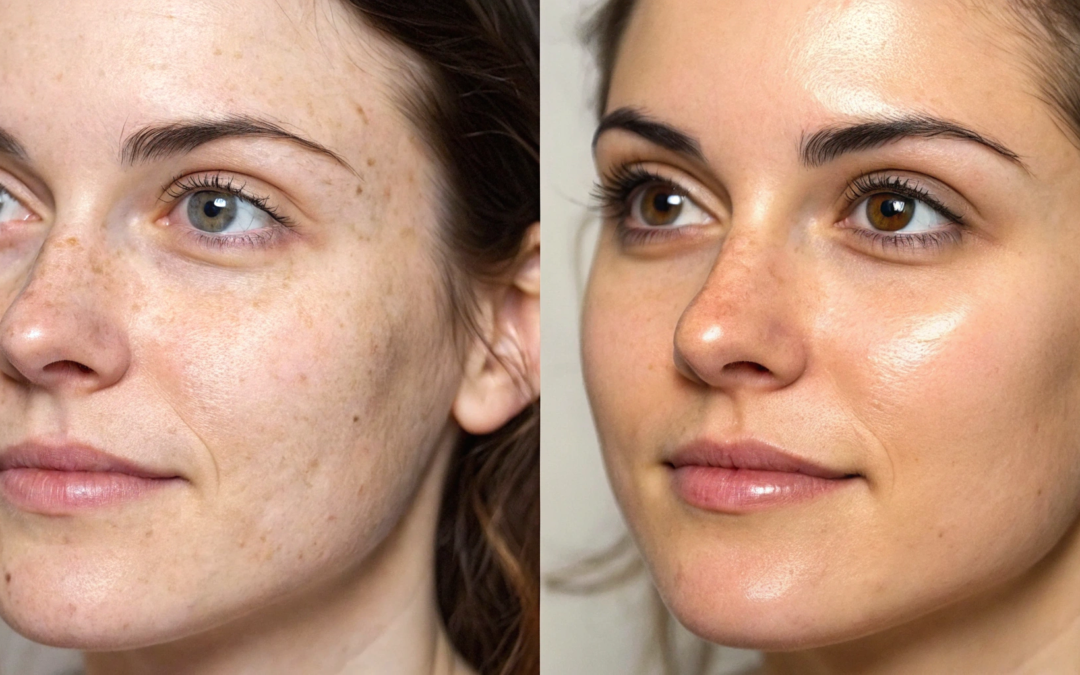
One of the most common things I hear is the desire to look refreshed, not different. A great dermal filler treatment is all about achieving just that, subtly restoring volume where it’s been lost over time. While scrolling through dermal fillers before and after galleries is inspiring, it’s the science and artistry behind the injections that create those beautiful results. This guide breaks down exactly how fillers work to smooth lines and enhance your natural contours. We’ll also cover what to expect during your appointment and recovery, giving you a clear picture of the entire process.
Key Takeaways
- Focus on Enhancement, Not Alteration: Dermal fillers are designed to restore lost volume and soften lines for a refreshed, natural look. The best results honor your unique features, helping you look like a well-rested version of yourself.
- Understand the Results Timeline: While you’ll see an immediate effect, your true results will appear after about a month as the filler settles and any swelling subsides. Plan for this short adjustment period to see the final, beautiful outcome.
- Prioritize Provider Expertise Above All Else: Your safety and the quality of your results depend entirely on the skill of your injector. Do your research and choose a board-certified, experienced provider who understands facial anatomy and has an artistic approach.
How Do Dermal Fillers Actually Work?
If you’ve noticed your skin losing some of its youthful plumpness or have lines that seem to stick around, you’ve probably heard about dermal fillers. Think of them as a non-surgical way to restore volume and smooth out wrinkles right in your doctor’s office. These injectable gels work beneath the skin’s surface to fill in creases, enhance facial contours, and bring back a softer, more refreshed appearance. The best part? The results are almost immediate and can last anywhere from six months to two years, depending on the type of filler used and your individual metabolism.
At our European Cosmetic Clinic, we see fillers as a tool for subtle enhancement, not total transformation. The goal is to help you look like a well-rested version of yourself, not like someone else entirely. By strategically adding volume back to areas where it’s been lost over time, we can lift the face, define features like your cheeks and jawline, and smooth away lines around the mouth and nose. It’s a simple procedure that delivers a significant, natural-looking refresh without the downtime of surgery. The treatment itself is quick, often completed in under an hour, making it a convenient option for achieving noticeable improvements.
Dermal Fillers vs. Neurotoxins: What’s the Difference?
It’s easy to group all injectables together, but dermal fillers and neurotoxins like Botox actually have very different jobs. Dermal fillers are gel-like substances that, as the name suggests, fill in areas that have lost volume over time. They are perfect for smoothing out static wrinkles—the lines you can see even when your face is at rest—like the parentheses around your mouth or for adding a subtle lift to your cheeks. Neurotoxins, on the other hand, work by relaxing the muscles that cause dynamic wrinkles—the lines that appear when you make expressions like frowning or smiling. By temporarily stopping these muscles from contracting, they smooth out crow’s feet and forehead lines. So, the simplest way to remember it is: fillers add volume, while neurotoxins relax muscles. Often, the best approach involves using both to achieve a balanced, refreshed look, something our experts at the Face & Neck Clinic specialize in.
Which Type of Dermal Filler is Right for You?
When you hear about dermal fillers, you’re most likely hearing about hyaluronic acid (HA) fillers. Hyaluronic acid is a substance your body already produces to keep your skin hydrated and supple, which is why it’s so well-tolerated. Fillers made with HA are popular because they integrate beautifully with your skin’s tissue for a very natural look and feel. Different HA fillers have unique properties—some are thicker and more structured, making them perfect for building up cheekbones, while others are softer and more flexible, ideal for adding subtle volume to the lips. This variety allows your provider to choose the perfect product to achieve your specific goals.
Hyaluronic Acid (HA)
This is the most well-known type of filler, and for good reason. Hyaluronic acid (HA) is a natural substance in your skin that adds volume and hydration. Because your body recognizes it, HA fillers blend seamlessly to smooth out lines and add a soft, natural-looking plumpness to areas like the lips and cheeks. The results are immediate and typically last between six months and a year. One of the biggest benefits of HA fillers is that they are reversible, which provides an extra layer of comfort for anyone trying fillers for the first time. It’s a versatile and reliable option for achieving a refreshed look.
Calcium Hydroxylapatite (CaHA)
If you’re looking to address deeper wrinkles or add more definition to your facial structure, Calcium Hydroxylapatite (CaHA) might be the right choice. This substance is naturally found in your bones and is biosynthetically produced, meaning no animals or animal products are used. CaHA fillers are generally thicker than their HA counterparts, providing robust support for deeper lines and enhancing contours in the cheeks and jawline. The results are immediate and can last for about a year in many patients. It’s an excellent option for restoring volume and creating a more sculpted appearance, handled with precision at our Face & Neck Clinic.
Poly-L-lactic Acid (PLLA)
Unlike other fillers that simply add volume, Poly-L-lactic Acid (PLLA) is a collagen stimulator. This means it works by helping your body make its own collagen, gradually restoring structure and fullness to your face. PLLA is used to treat deep facial wrinkles, and because it works with your body’s natural processes, the results appear over a few months. While the effects aren’t immediate, they are incredibly long-lasting, with many people enjoying their results for two years or more. This makes it a fantastic choice for anyone seeking a subtle, gradual improvement that stands the test of time.
Polymethylmethacrylate (PMMA)
For a more permanent solution to volume loss, there’s Polymethylmethacrylate (PMMA). This filler is made of collagen and tiny balls that stay under your skin to provide volume and firmness. Once injected, the collagen provides immediate volume, while the microspheres remain in place to create a lasting support structure for your skin. PMMA is typically used for medium-to-deep wrinkles and folds, particularly nasolabial folds. Given its long-lasting nature, the skill and experience of your injector are absolutely critical. It’s essential to schedule a consultation to determine if this is the right approach for your aesthetic goals.
Autologous Fat Grafting
Also known as fat transfer, autologous fat grafting is a more involved procedure that uses your own body’s resources. The process uses fat taken from your own body through liposuction and injected into your face. Because it uses your own tissue, the results are very natural and can be long-lasting. This procedure is more involved and has a longer recovery time, sometimes up to two weeks, but it offers the dual benefit of slimming one area while rejuvenating another. It’s a testament to the advanced surgical and non-surgical treatments we offer across our specialized clinics.
How Fillers Restore Natural-Looking Volume
As we age, our faces naturally lose some of the subcutaneous fat that gives us a youthful look. This volume loss can lead to sagging skin, hollows under the eyes, and more prominent lines and wrinkles. Dermal fillers are designed to counteract this process. They work by adding back that lost volume, essentially plumping up the tissue from within to smooth the surface of the skin. This treatment helps improve the overall shape and structure of your face by lifting and contouring specific areas. Whether it’s restoring fullness to your cheeks or softening smile lines, fillers can help you reclaim your natural facial contours. Our specialists at the Face & Neck Clinic focus on creating balanced, harmonious results that honor your unique features.
From Lips to Cheeks: Popular Areas for Dermal Fillers
Fillers are incredibly versatile and can be used to address a wide range of concerns all over the face. Some of the most common treatment areas include the cheeks, where fillers can restore volume and create a gentle lift for the entire mid-face. They are also frequently used to add fullness and definition to the lips for a plumper, more balanced smile. Other popular spots are the nasolabial folds (the lines running from your nose to the corners of your mouth) and the under-eye area, where fillers can reduce the appearance of dark, hollow tear troughs. Many people also use fillers to create a stronger, more defined jawline or to smooth a dimpled chin.
Beyond the Face: Other Common Treatment Areas
While we often associate fillers with facial rejuvenation, their benefits extend to other areas that show signs of aging. One of the most effective yet lesser-known uses is for the hands. Over time, the skin on the back of our hands thins, making veins and tendons more prominent. Dermal fillers can restore lost volume here, creating a smoother, more youthful appearance that matches a refreshed face. The FDA has approved certain dermal fillers for this specific purpose, recognizing it as a safe and effective way to address age-related volume loss. This treatment is a perfect example of how fillers can be used for comprehensive rejuvenation, ensuring your appearance is harmonious from head to hands.
What Results Can You Realistically Expect?
One of the most exciting parts of considering dermal fillers is imagining the outcome. You want to look like yourself, just refreshed and revitalized. Setting clear, realistic expectations is the key to being thrilled with your final look. Your results will be unique to you, influenced by everything from the type of filler used to your own anatomy. Let’s walk through what you can anticipate, from the moment you leave our clinic to months down the road.
When Will You See Your Final Results?
You’ll notice a difference right away. Fillers provide immediate volume, so you’ll see an initial change as soon as the treatment is complete. However, that’s not the final look. It’s important to remember that minor swelling and bruising are normal. Over the next one to four weeks, the filler will fully integrate with your tissue and settle into its final position. This is when you’ll see the true, beautiful result of your treatment. Patience during this short period is key as your body adjusts and the filler works its magic.
How Long Do Different Filler Types Last?
The longevity of your results depends on several factors, but most dermal fillers last between six and 24 months. The specific product used, the area being treated, and your body’s individual metabolism all play a role. For example, fillers in more mobile areas of the face, like the lips, may break down a bit faster than those in less active areas, such as the cheeks. During your consultation, we’ll discuss the best filler for your goals and give you a clear idea of how long you can expect your results to last.
What Affects Your Dermal Filler Results?
Your outcome is a partnership between our expertise and your unique physiology. Factors like your age, skin quality, and underlying bone structure create the canvas we work with. Lifestyle choices also have an impact; things like significant sun exposure or smoking can affect how long your results last. The most important factor, however, is choosing a skilled injector. An experienced provider at our Face & Neck Clinic understands facial anatomy and can tailor the treatment to your specific needs, ensuring a balanced and beautiful outcome.
How to Get Natural-Looking Results (and Avoid the ‘Overdone’ Look)
The goal of dermal fillers is to enhance your natural beauty, not to make you look like a different person. The best results are subtle, restoring volume and smoothing lines in a way that looks completely natural. When performed by a skilled provider, fillers should leave you looking rested and rejuvenated, not “fake” or “overdone.” We believe in a conservative approach that respects your unique features. Our aim is to help you achieve a look that feels authentic and gives you a renewed sense of confidence.
Cheek vs. Lip Filler: How Results Differ by Area
Dermal fillers are incredibly versatile and can be used to address a variety of concerns across the face. They are excellent for adding volume and a gentle lift to the cheeks, defining the shape and fullness of the lips, and softening smile lines around the mouth. Fillers can also be used to diminish the appearance of hollows under the eyes (tear troughs) and to create a more sculpted and defined jawline. Each treatment is customized to improve how the face looks by adding volume where it’s needed most, smoothing away lines, and lifting key areas for a refreshed appearance.
Your Dermal Filler Appointment: What to Expect
Thinking about getting fillers is exciting, but it’s completely normal to have questions about what the experience actually involves. From the price tag to the recovery time, knowing what to expect can help you feel confident and prepared for your appointment. This guide will walk you through the entire process, so you know exactly what your filler appointment will look like from start to finish. We’ll cover the costs, what happens during the treatment, and what you can expect during the first few days of recovery. Our goal is to answer your questions and make sure you feel comfortable and informed every step of the way. At our European Cosmetic Clinic, we combine European and American expertise to prioritize your safety and satisfaction. We believe that a well-informed patient is a happy patient, and we’re committed to providing care that is honest, effective, and tailored specifically to you. Understanding the journey from consultation to final result is the first step toward achieving the look you want. Let’s get into the details so you can take the next step with confidence.
How Much Do Dermal Fillers Cost?
One of the first questions people ask is about the cost. Generally, one syringe of dermal filler can range from $500 to $1,000. The final price depends on a few key things: the specific type of filler used to achieve your goals and the amount needed for the treatment area. Some areas require more product than others to create a smooth, natural look. The best way to get a clear picture of the investment is to schedule a consultation. We can discuss your aesthetic goals and provide a personalized quote that reflects your unique treatment plan.
What Happens During a Dermal Filler Treatment?
Your filler treatment is a process with results that appear over time. Right after your injections, you’ll notice an immediate change, but you’ll also see some swelling, redness, and maybe a little bruising. This is a normal part of the process, so the initial volume might look more dramatic than the final outcome. Over the next one to two weeks, the swelling will subside as the filler begins to settle and integrate with your facial tissues. By the four-week mark, any swelling should be completely gone, revealing your beautiful, natural-looking results. It’s a gradual enhancement that our Face & Neck Clinic specializes in.
How Can You Pay for Your Fillers?
We believe that everyone deserves to feel their best, and your budget shouldn’t stand in the way of your confidence. To make treatments more accessible, we provide several financing options to help you manage the cost in a way that works for you. During your consultation, we can walk you through the different plans available so you can find one that fits your financial situation. Please don’t hesitate to contact our office to learn more about how we can make your aesthetic goals a reality. Our team is here to help you find a solution.
Filler Prep and Aftercare: Your Dos and Don’ts
To get the best possible results and a smooth recovery, following your aftercare instructions is key. We will provide you with a detailed list of do’s and don’ts for before and after your appointment. Simple things can make a big difference, like avoiding certain medications that can increase bruising and staying out of the sun. Protecting your skin from UV rays is especially important after treatment, as it helps maintain the quality and longevity of your filler. Following these guidelines helps minimize side effects and ensures your results look fantastic for as long as possible.
The First 48 Hours: What to Expect After Your Treatment
In the first couple of days after your appointment, it’s common to experience some temporary effects. You might notice redness, swelling, tenderness, or bruising around the injection sites. These are completely normal reactions and are typically mild. For most people, these effects resolve on their own within a few days, though it can sometimes take up to a month for all minor bruising to fade completely. If you have a treatment on your neck, any redness usually disappears within a day. Just be gentle with the treated area and give your skin a little time to heal.
Dermal Filler Safety: How to Choose the Right Injector
Dermal fillers are a fantastic way to refresh your look, but it’s important to remember they are a medical procedure. Your safety and results depend almost entirely on the person holding the syringe. Choosing the right provider isn’t just about getting a good outcome; it’s about protecting your health. A qualified professional will take the time to understand your goals, explain the process clearly, and use high-quality, FDA-approved products.
Think of it this way: you wouldn’t let just anyone cut your hair, so you should be even more selective about who injects a substance into your face. The best providers have a deep understanding of facial anatomy, an artistic eye for balance, and extensive training in injection techniques. They operate in a clean, professional environment and prioritize your well-being above all else. Taking the time to research and select a board-certified surgeon with a proven track record is the single most important step you can take toward achieving beautiful, natural-looking results you’ll love.
Common Filler Side Effects (And How to Avoid Them)
Let’s talk about what to expect after your appointment. It’s completely normal to experience some temporary side effects. The most common ones are redness, swelling, tenderness, and bruising around the injection sites. These effects are your body’s natural response and typically fade on their own within a few days to a couple of weeks. Following your provider’s aftercare instructions—like avoiding strenuous exercise and applying cold compresses—can help manage these symptoms. While serious complications are rare, they are possible, which is why choosing a skilled injector who uses proper techniques is so crucial for minimizing risks and ensuring a smooth recovery.
Serious (But Rare) Risks and Complications
While dermal fillers have a strong safety record, it’s smart to be aware of the more serious, though very rare, complications. The most significant risk occurs if filler is accidentally injected into a blood vessel. According to the U.S. Food and Drug Administration (FDA), this can block blood flow and potentially lead to tissue death, vision problems, or even a stroke. Other uncommon risks include infection, lumps, or skin discoloration. It’s important to distinguish these from the common, temporary side effects like bruising and swelling. Choosing a provider with an in-depth knowledge of facial anatomy is the best way to minimize these risks, as their expertise ensures precise and safe placement of the filler.
FDA Safety Regulations You Should Know
The FDA classifies dermal fillers as medical devices, which means they are held to strict safety standards. It’s helpful to know that most FDA-approved fillers are temporary; your body naturally breaks them down over time, which is a built-in safety feature. The FDA has also been very clear about what is *not* safe: they have not approved injectable silicone or any type of filler for body contouring, such as in the breasts or buttocks. These can cause serious, permanent harm. The agency’s top recommendation is to only receive fillers from a licensed and trained healthcare professional, like a board-certified surgeon, who has extensive experience in the procedure. This ensures you’re receiving an authentic, approved product and a safe treatment.
What Are the Red Flags When Choosing an Injector?
When you’re searching for a provider, your intuition is a powerful tool. If something feels off, it probably is. Be wary of injectors who offer deep discounts that seem too good to be true, as this can be a sign of counterfeit products or inexperience. Another red flag is a portfolio filled with an “overfilled” or unnatural look. You should also be cautious of photos that show “perfect” results immediately after treatment, as this doesn’t account for the swelling that naturally occurs. A trustworthy provider will never pressure you into a decision and will always be transparent about their qualifications and the products they use.
Questions You Should Always Ask Your Provider
Your consultation is your opportunity to interview your potential provider. Don’t be shy—a great injector will welcome your questions. Start by asking about their qualifications, training, and how many years of experience they have with the specific filler you’re considering. Ask to see before-and-after photos of their own patients, not just stock images from a manufacturer. It’s also important to have a detailed talk about your medical history and aesthetic goals. A thorough consultation at a specialized practice like our European Cosmetic Clinic ensures your treatment plan is tailored specifically to you, creating a foundation for a safe and successful outcome.
Sharing Your Medical History
This is one of the most important conversations you’ll have during your consultation. Being completely open about your medical history is crucial for your safety and for achieving the beautiful results you want. Your provider needs to know about any allergies you have, past issues with bruising, existing skin conditions, and all medications or supplements you take, as some can increase risks. This transparency allows your injector to create a treatment plan tailored specifically to you, pairing your aesthetic goals with the safest approach. Being honest helps your provider anticipate potential complications and select the most appropriate filler for your treatment. Remember, the safety of dermal fillers depends heavily on who injects them and the information they have. By sharing openly, you empower your injector to create a personalized plan that enhances your natural beauty while prioritizing your health.
Why Your Injector’s Experience is So Important
Getting beautiful, natural-looking results from fillers is both a science and an art. The skill and experience of your injector are the most important factors in your final look. A great provider has more than just medical knowledge; they have an artistic eye and a profound understanding of facial anatomy. They know precisely where to place the filler to restore volume, smooth lines, and enhance your features without making you look “done.” An experienced injector like our board-certified surgeon knows that the goal is to make you look like a refreshed, more rested version of yourself, not like a different person.
How to Read Before-and-After Photos Like a Pro
A provider’s photo gallery is their resume, so it’s important to know how to read it critically. Look for photos taken with consistent lighting and from multiple angles (front, side, and three-quarters view) to get a complete picture of the results. Pay attention to whether the “after” photos are taken after the initial swelling has subsided, usually around two to four weeks post-treatment. Most importantly, look for patients who have a similar facial structure and concerns as you do. This will give you a more realistic idea of what the provider can achieve for you at their Face & Neck Clinic.
Related Articles
- All Fillers | Advanced Cosmetic & Aesthetic Surgery Center
- All Fillers in Fresno: Dermal Treatments & Experts | Advanced Cosmetic Aesthetics Surgery Center
- All Fillers | Advanced Cosmetic & Aesthetic Surgery Center (Face & Neck Clinic)
Frequently Asked Questions
Does getting dermal fillers hurt? This is easily one of the most common questions, and the answer is that most people find the treatment very manageable. We typically apply a topical numbing cream to the area before the injections to ensure you’re comfortable. Plus, many modern fillers are formulated with a small amount of lidocaine mixed right in, which helps numb the area as the treatment is happening. You might feel a slight pinch or some pressure, but it’s a quick process.
What if I don’t like my filler results? Can they be reversed? It’s completely understandable to worry about the final outcome, especially if it’s your first time. One of the biggest advantages of using hyaluronic acid (HA) fillers is that they are not permanent and can be adjusted. If you’re unhappy with the result for any reason, an enzyme called hyaluronidase can be injected to dissolve the filler and return your appearance to how it was before treatment. This provides a wonderful safety net and peace of mind.
How soon can I go back to my normal routine after getting fillers? You can get back to most of your daily activities right away, which is why fillers are often called a “lunchtime procedure.” However, you should expect some minor swelling, redness, or bruising at the injection sites. For that reason, we usually recommend not scheduling your appointment right before a major social event. It’s best to give yourself a few days to let any initial side effects subside so you can debut your refreshed look with confidence.
With so many types of fillers, how will I know which one is right for me? You don’t have to figure that out on your own—that’s what we’re here for. During your consultation, we’ll have a detailed conversation about the look you want to achieve. Based on your unique facial anatomy, skin quality, and specific goals, your provider will select the ideal filler or combination of fillers. Different products have different properties; some are better for building structure in the cheeks, while others are softer and better suited for the lips. We tailor the choice specifically to you.
Can I get dermal fillers at the same time as other treatments, like Botox? Yes, combining treatments is very common and can produce a beautifully harmonious result. Fillers and neuromodulators like Botox work in different ways to address signs of aging. While fillers restore lost volume and fill in static lines, Botox relaxes the muscles that cause dynamic wrinkles, like crow’s feet or frown lines. Using them together can create a more comprehensive and balanced rejuvenation, which is something we can discuss when creating your personalized treatment plan.
When to Seek Immediate Medical Help
While serious complications from dermal fillers are very rare, your safety is always the top priority. It’s important to know which signs are part of the normal healing process and which ones require immediate attention. If you experience unusual pain, changes in your vision, or see the skin near the injection site turning white, gray, or blue, contact your doctor right away. These could be signs of an accidental injection into a blood vessel, which is a serious but treatable issue if caught early. Additionally, any symptoms of a stroke—like sudden numbness, difficulty speaking, or a severe headache—warrant immediate medical help. Knowing these red flags empowers you to be an active partner in your care.
Recent Comments