
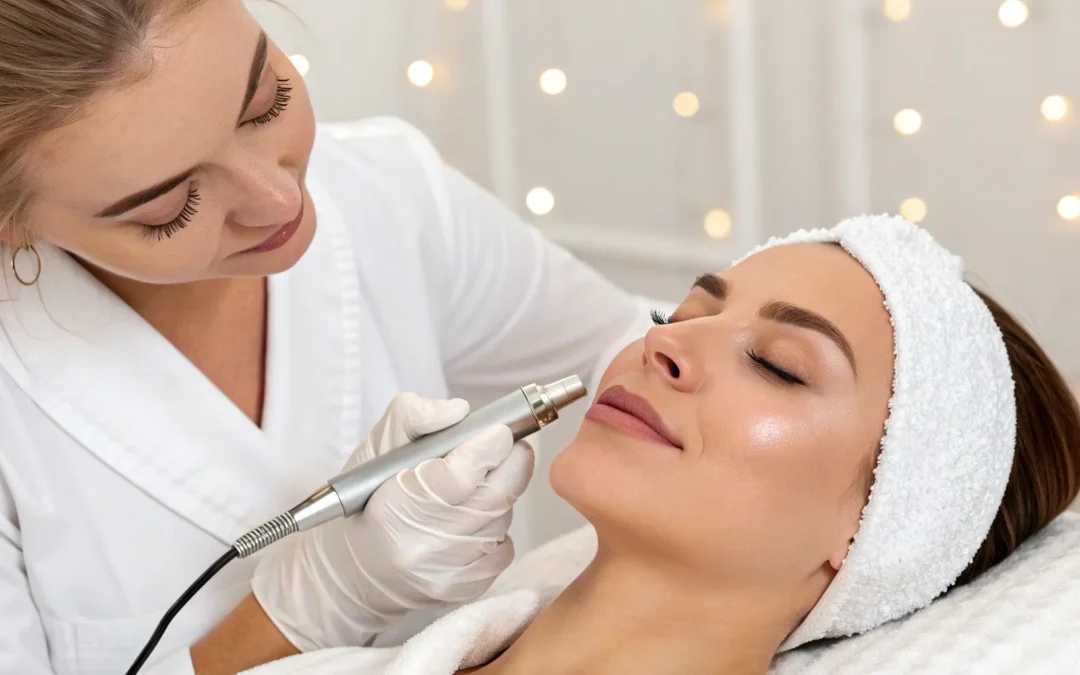
Feeling like your skin is stuck in a rut? If you’re dealing with dullness, uneven texture, or stubborn clogged pores, a diamond dermabrasion facial could be the game-changer you need. This effective skin resurfacing treatment physically buffs away the top layer of dead cells, dirt, and oil that dull your natural glow. It’s a gentle yet powerful process that also kicks cell renewal and collagen production into high gear. The best part? You’ll see smoother, clearer, and more vibrant skin right after your first session. It’s a simple, direct way to get a deep clean and reveal a much brighter you.
Key Takeaways
- It’s a Powerful Physical Exfoliation: Diamond dermabrasion uses a diamond-tipped wand to manually sand away the dull, outer layer of skin, revealing a smoother, brighter complexion immediately after your first session.
- It Addresses a Wide Range of Skin Concerns: This versatile treatment is effective for softening fine lines, reducing the appearance of enlarged pores and mild acne scars, and creating a more even skin tone with minimal downtime.
- Results Depend on Expertise and Consistency: To ensure safety and achieve the best outcome, choose a clinic with board-certified professionals and commit to the recommended series of treatments for significant, lasting improvements.
What is Skin Resurfacing?
Skin resurfacing is a cosmetic procedure that aims to improve the texture and appearance of your skin. It works by carefully removing the outermost, often damaged, layers of skin. The idea is to get rid of issues like fine lines, sun damage, or uneven tone and reveal the fresher, healthier skin hiding underneath. This process also kicks your body’s natural healing into gear, encouraging the growth of new, healthy skin cells and even promoting collagen production over time. Think of it as a controlled refresh that helps your skin rebuild itself to be smoother and more radiant.
Whether you’re dealing with the lingering reminders of acne from your teen years, fine lines that have started to settle in, or an overall dullness you can’t seem to shake, skin resurfacing offers a targeted solution. Procedures can range from gentler options with minimal downtime to more intensive treatments for more significant concerns. The key is that they all share the same fundamental goal: to systematically remove old skin cells and pave the way for a renewed, more youthful-looking complexion. It’s a direct approach to hitting the reset button on your skin.
The Goal: Revealing Healthier Skin
The ultimate objective of any skin resurfacing treatment is to help you achieve a smoother, clearer, and more even-toned complexion. Procedures like diamond dermabrasion, laser resurfacing, and chemical peels all work by exfoliating the outer layers of skin. According to the American Board of Cosmetic Surgery, these treatments help make your skin look younger and healthier by removing damaged layers and encouraging your body to grow new cells. This can be particularly effective for specific concerns, like the fine lines, age spots, and uneven skin color that laser resurfacing can address.
Achieving these results safely and effectively comes down to the person performing the procedure. The expertise of your provider is crucial. Deeper treatments, in particular, should only be handled by a highly trained professional. That’s why it’s so important to work with a board-certified surgeon who understands the nuances of skin health and can tailor the treatment to your specific needs. This ensures you get the beautiful, lasting results you’re looking for without compromising on safety.
Diamond Dermabrasion: A Skin Resurfacing Treatment Explained
If you’re looking for a way to refresh your skin without significant downtime, a diamond dermabrasion facial is a fantastic option. Think of it as a powerful, professional-grade exfoliation. This non-invasive treatment uses a special diamond-tipped wand to gently sand away the thick, uneven outer layer of your skin. At the same time, a built-in vacuum suctions up the dead skin cells and debris. The whole process helps to unclog pores, smooth your skin’s surface, and even encourage new collagen production for a firmer, more youthful appearance.
This treatment is one of the most effective ways to get a deep clean and reveal the brighter, healthier skin hiding underneath. It’s a cornerstone of many facial rejuvenation treatments because it addresses multiple concerns at once, from dullness to fine lines. Unlike more intensive procedures, it’s a gentle yet effective way to maintain your skin’s health and vitality. The goal is to remove damaged tissue and reveal the smoother, more radiant skin below, giving you an instant glow.
How Does It Work?
The magic of diamond dermabrasion lies in its mechanical exfoliation process. A trained professional uses a handheld wand with a tip made of tiny diamonds. This tip gently glides across your skin, physically buffing away the outermost layer of dead cells, dirt, and oil. As the wand exfoliates, a gentle suction whisks away the debris, leaving your skin feeling incredibly clean and smooth. This process is precise and controlled, allowing the practitioner to tailor the intensity to your specific skin type and concerns. It’s a straightforward and comfortable procedure that works by clearing the way for new, healthy cells to come to the surface.
Diamond vs. Crystal: What’s the Real Difference?
You might have heard of crystal microdermabrasion, which is an older version of this treatment. The main difference is the tool used. Crystal systems spray fine crystals, like aluminum oxide, onto the skin to loosen dead cells, which are then vacuumed away. Diamond dermabrasion, on the other hand, uses a solid, crystal-free wand. Many people prefer the diamond-tip method because there’s no risk of stray crystals getting into your eyes or being inhaled. It offers a more controlled and often gentler exfoliation, making it suitable for sensitive areas like around the eyes. This precision is why we trust it at our advanced cosmetic clinics.
The Real Skin Benefits of Diamond Dermabrasion
If you’re looking for a treatment that can tackle several skin concerns at once, diamond dermabrasion is a fantastic option. Think of it as a powerful reset button for your complexion. By gently sanding away the thick, uneven outer layer of dead skin cells, it addresses everything from texture issues to signs of aging. This process of mechanical exfoliation is precise and controlled, revealing the smoother, clearer, and more vibrant skin hiding just beneath the surface. It’s a non-invasive way to refresh your appearance with minimal downtime, making it a go-to for maintaining healthy, glowing skin. Let’s look at exactly what this treatment can do for you.
Soften Fine Lines and Wrinkles
One of the most celebrated benefits of diamond dermabrasion is its ability to soften the early signs of aging. The treatment focuses on exfoliating the top layer of the epidermis, which can help make fine lines and wrinkles less noticeable, particularly those that form around the eyes and mouth. As the diamond-tipped wand removes dull surface cells, it stimulates collagen production and encourages cell renewal. This process helps plump the skin from within, creating a smoother and more youthful-looking surface. For those looking to address these concerns as part of a comprehensive anti-aging plan, our Face & Neck Clinic offers a range of complementary treatments.
Refine Skin Texture and Minimize Acne Scars
Uneven skin texture, whether from sun damage, dry patches, or the lingering effects of acne, can keep your skin from looking its best. Diamond dermabrasion physically buffs away these imperfections. The treatment resurfaces the skin to reduce the appearance of superficial acne scars, age spots, and sun damage. By removing the built-up outer layer, it creates a smoother, more uniform canvas. While it’s most effective on shallow scars, regular sessions can make a significant difference in your skin’s overall texture and feel, leaving it soft and refined. It’s an excellent step toward achieving a consistently smooth complexion.
Reduce the Appearance of Pores
While you can’t permanently change the size of your pores, you can certainly make them look smaller. Diamond dermabrasion is incredibly effective at this. The suction element of the wand helps to clear out debris, oil, and dead skin cells that clog pores and cause blackheads. By clearing these blockages and exfoliating the surrounding skin, pores appear much more refined and less prominent. According to the Cleveland Clinic, microdermabrasion can help make skin issues like large pores or blackheads less noticeable. This deep cleaning action leaves your skin looking clearer and feeling exceptionally clean.
Achieve Brighter, More Radiant Skin
Is your skin looking a little dull or tired? Diamond dermabrasion delivers an instant boost of radiance. The treatment immediately removes the layer of dead cells that can scatter light and make your complexion look lackluster. The result is softer, glowing skin right after your first session. This fresh surface not only looks brighter but also allows your skincare products to absorb more effectively, enhancing their benefits. Over a series of treatments, you’ll notice a sustained improvement in your skin’s luminosity and overall health, giving you that coveted lit-from-within glow.
How Does It Compare to Other Facial Treatments?
With so many skin treatments available, it can be tough to figure out which one is the right fit for you. Diamond dermabrasion is a fantastic option for gentle exfoliation, but understanding how it stacks up against other popular procedures will help you make an informed decision. Each treatment works differently and targets specific concerns, so let’s break down the key differences between diamond dermabrasion and other common facial treatments.
Our goal at the Face & Neck Clinic is to find the perfect match for your skin’s unique needs. By comparing these methods, you can get a clearer picture of the results you can expect and the level of intensity involved with each.
Diamond vs. Crystal: Which One Is for You?
You might hear “microdermabrasion” used as a general term, but there are actually two main types. The older method, crystal microdermabrasion, uses a device to spray fine crystals onto the skin to loosen dead cells. Diamond dermabrasion is a newer technique that uses a wand with a diamond-encrusted tip to physically exfoliate the skin’s surface while a vacuum suctions away the debris. Many people prefer the diamond-tipped method because it offers more precision, especially around sensitive areas like the eyes, and avoids the potential for stray crystals to be left behind on the skin. It’s a cleaner, more controlled approach to achieving that fresh-faced glow.
Diamond Dermabrasion vs. Chemical Peels: Key Differences
The main difference here is the method of exfoliation: physical versus chemical. As we’ve covered, diamond dermabrasion is a form of physical exfoliation that manually buffs away the outermost layer of dead skin. In contrast, chemical peels use solutions with acids—like glycolic or salicylic acid—to dissolve the bonds holding dead skin cells together. This process allows the top layer of skin to peel away, revealing smoother skin underneath. While both treatments can improve skin texture and tone, chemical peels can often penetrate deeper into the skin, making them a good option for more significant concerns like deeper wrinkles or pigmentation issues.
Diamond Dermabrasion vs. Laser Skin Resurfacing
Think of diamond dermabrasion as a gentle resurfacing treatment, while laser resurfacing is a much more intensive procedure. Dermabrasion works on the very top layer of skin (the epidermis) and is great for mild imperfections, requiring no real downtime. Skin laser resurfacing, on the other hand, uses focused light energy to remove skin layer by layer with precision. It’s a more powerful treatment used for significant concerns like deep scars, pronounced wrinkles, or even pre-cancerous growths. Because it goes deeper, laser resurfacing delivers more dramatic results but also requires a longer recovery period.
Exploring Your Skin Resurfacing Options
Diamond dermabrasion is a fantastic starting point for skin rejuvenation, but it’s just one of many effective treatments available. The world of skin resurfacing is broad, with different technologies designed to address specific concerns, from fine lines and sun damage to deep wrinkles and uneven pigmentation. Understanding your options is the first step toward choosing a path that aligns with your unique skin goals. Whether you’re looking for a gentle refresh or a more significant transformation, consulting with a board-certified professional at a clinic like our Face & Neck Clinic can help you find the perfect treatment. Let’s look at some of the most popular and effective skin resurfacing methods available today.
Laser Resurfacing
Laser resurfacing is a more advanced treatment that uses concentrated beams of light to improve your skin’s appearance. It’s an incredibly effective way to address concerns like fine lines, age spots, and uneven skin tone. According to the Mayo Clinic, this technology works by delivering precise energy to the skin, which helps encourage the growth of new, healthier cells and stimulates collagen production for a firmer, smoother look. While it can’t fix sagging skin, it offers significant improvements for surface-level imperfections. There are two main categories of lasers used for this purpose: ablative and non-ablative, each offering a different level of intensity and recovery time.
Ablative Lasers
Ablative lasers are the more powerful of the two options. This type of laser works by removing the thin outer layer of your skin, known as the epidermis, and simultaneously heating the underlying skin, or dermis. This controlled thermal effect is what triggers your body’s natural healing process, leading to a significant increase in collagen production. As your skin heals, the new surface is smoother, firmer, and more even-toned. Because this procedure is more intensive, it’s best for addressing more pronounced wrinkles or significant sun damage, but it also requires a longer recovery period as the new skin forms.
Non-Ablative Lasers
If you’re looking for noticeable results with less downtime, a non-ablative laser might be the right choice. Unlike their ablative counterparts, these lasers work by heating the tissue underneath the skin’s surface without removing the outer layer. This process still stimulates collagen growth to help improve skin texture and tone over time. While the results are typically less dramatic than what you’d see from an ablative treatment, non-ablative lasers are a great option for mild to moderate skin concerns. The recovery is much quicker, making it easier to fit into a busy schedule.
Chemical Peels
Chemical peels are a time-tested method for skin resurfacing that relies on a specially formulated chemical solution to improve and smooth the texture of your skin. The solution works by causing the dead, damaged outer layers of skin to eventually peel off. Once this old layer is gone, the new, regenerated skin underneath is revealed, which is typically smoother, less wrinkled, and more even in color. Peels come in various strengths, from light, superficial peels that require almost no downtime to deep peels that offer more dramatic results for significant skin concerns.
Light Peels
A light chemical peel, sometimes called a “lunchtime peel,” is the gentlest option available. It uses mild acids, like alpha-hydroxy acid (AHA), to exfoliate only the outermost layer of the skin. This treatment is perfect for addressing minor issues such as fine lines, dryness, uneven skin tone, and minor acne. Because it’s so superficial, there’s little to no recovery time involved—you might experience some mild redness, but you can typically get back to your daily activities right away. It’s a great way to give your skin a quick refresh and a healthy glow.
Deep Peels
For more serious skin concerns, a deep chemical peel offers a more intensive solution. These peels use stronger chemicals, such as phenol, to penetrate the deeper layers of the skin. They are designed to treat more significant issues like deep wrinkles, extensive sun damage, or even pre-cancerous growths. As noted by the American Board of Cosmetic Surgery, a deep peel is a more involved procedure that may require some form of pain management and involves a longer healing period of several days. The results, however, can be dramatic and long-lasting.
Microneedling
Microneedling, also known as collagen induction therapy, is a minimally invasive treatment designed to rejuvenate the skin from the inside out. The procedure uses a device with fine, tiny needles to create thousands of controlled micro-injuries in the top layer of the skin. These tiny punctures are not visible to the naked eye, but they trigger your body’s natural wound-healing response. This process stimulates the production of new collagen and elastin, which are the essential proteins that keep your skin firm, smooth, and youthful. It’s an excellent treatment for improving skin texture, reducing the appearance of scars, and minimizing fine lines.
Intense Pulsed Light (IPL)
Intense Pulsed Light, or IPL, is a popular treatment that uses broad-spectrum light to address skin discoloration. Unlike lasers that use a single, focused wavelength, IPL emits multiple wavelengths of light in short flashes. This light energy is absorbed by areas of excess pigment in your skin, such as sun spots, age spots, or redness from broken capillaries. The heat generated by the light breaks down this pigment, which is then naturally cleared away by your body. The result is a more even and balanced skin tone. It’s a fantastic option for anyone primarily concerned with color irregularities rather than texture.
What to Expect During Your Appointment
Knowing what’s coming can make any new treatment feel more comfortable and exciting. From prepping your skin to the moment you walk out with a fresh glow, here’s a step-by-step look at what your diamond dermabrasion appointment will be like. We believe in making sure you feel informed and at ease every step of the way, so you can simply relax and look forward to the results.
How to Prepare for Your Treatment
A little prep work before your appointment can make a big difference in your results. In the week leading up to your session, it’s best to pause your use of any exfoliating products, like scrubs or retinoids. This ensures your skin isn’t overly sensitive. You’ll also want to avoid sun tanning and tanning creams, as well as waxing or using depilatories on the area being treated. Think of it as giving your skin a clean, calm canvas to work with. Our team at the European Cosmetic Clinic will provide you with a full list of pre-treatment instructions during your consultation.
The Step-by-Step Treatment Process
Once you’re settled in, the treatment itself is quite straightforward and gentle. Your practitioner will use a handheld wand with a diamond-encrusted tip to carefully exfoliate the outermost layer of your skin. It might sound intense, but it’s a very controlled process that feels like a fine-grit sander gently buffing your skin. As the wand removes dead and damaged cells, a built-in vacuum suctions them away. The entire procedure is non-invasive and designed to be a comfortable experience. Many people find it relaxing as it reveals the healthier skin underneath.
Immediately After Your Treatment: What to Expect
One of the best parts of diamond dermabrasion is that you can see a difference almost immediately. Your skin will likely look and feel smoother and more vibrant right after your first treatment. It’s normal to experience some mild redness, swelling, or sensitivity for a few hours, but this usually fades quickly. Your provider may apply a soothing moisturizer or serum to help hydrate and protect your newly revealed skin. There’s no real downtime, so you can get back to your day with a fresh, radiant glow. If you have any questions after your appointment, our Face & Neck Clinic team is always here to help.
Is Diamond Dermabrasion Right for You?
Deciding on a new facial treatment can feel like a big step, but figuring out if diamond dermabrasion is a good fit for you doesn’t have to be complicated. The answer really comes down to your unique skin type, your specific concerns, and what you hope to achieve. This treatment is incredibly versatile, but it’s not a one-size-fits-all solution.
Think of it as a powerful tool for skin maintenance and renewal. It’s designed to gently resurface the top layer of your skin, clearing away dead cells and encouraging fresh, healthy skin to emerge. Whether you’re looking to soften the first signs of aging or simply want a brighter, smoother complexion, this treatment could be an excellent option. The key is to match the procedure to your personal skin goals. The best way to get a clear answer is always through a professional consultation, where an expert can assess your skin and help you create a plan that’s right for you.
Who Is the Best Candidate for Diamond Dermabrasion?
One of the biggest advantages of diamond dermabrasion is that it’s suitable for most skin types. Because it doesn’t use loose crystals, it’s often considered a gentler option, making it a great choice even for those with sensitive skin. It’s particularly effective if you want to address specific concerns like dullness, uneven texture, or clogged pores.
This treatment is an excellent choice if you’re looking to improve:
- Fine lines and wrinkles
- Mild acne scars
- Enlarged pores and blackheads
- Age spots or hyperpigmentation
- Uneven skin tone and texture
Our specialists at the European Cosmetic Clinic can help you determine if your skin concerns align with what diamond dermabrasion can achieve.
When to Avoid This Skin Resurfacing Treatment
While diamond dermabrasion is safe and effective for many, there are certain situations where it’s best to wait or consider a different treatment. Your safety is always the top priority, so it’s important to be transparent about your skin’s condition and any medications you’re taking.
You should talk to your doctor before scheduling a treatment if you have:
- An active acne breakout
- Frequent cold sores or skin rashes
- Skin conditions like eczema, rosacea, or psoriasis
- Moles or other growths that are changing
- Recently used certain acne medications like isotretinoin
The surest way to know if you’re a good candidate is to schedule a consultation with one of our board-certified experts.
Who Should Avoid Intensive Treatments?
While diamond dermabrasion is a gentle and effective treatment for many, it’s not the right choice for everyone. Your skin’s health and safety are the top priorities, so it’s crucial to know when to pause. If you’re currently experiencing an active acne breakout, frequent cold sores, or have skin conditions like eczema, rosacea, or psoriasis, it’s best to wait until your skin has calmed down. The same goes for any moles or growths that have recently changed in appearance. Additionally, if you’ve recently used certain powerful acne medications like isotretinoin, your skin will be more sensitive. The best first step is always to schedule a consultation with a professional who can properly assess your skin and guide you toward the safest, most effective treatment plan.
Considerations for Different Skin Tones
It’s true that some intensive skin treatments, particularly certain types of laser resurfacing, can pose a risk of pigmentation changes for those with brown or Black skin. However, one of the great things about diamond dermabrasion is that it is generally safe for all skin tones. Because it’s a physical exfoliation that doesn’t involve heat, the risk of causing hyperpigmentation is significantly lower. That said, the skill of the practitioner is still the most important factor. Working with an experienced, board-certified professional who understands the nuances of treating diverse skin types is essential to ensure a beautiful and even outcome. This expertise is fundamental to our approach and ensures every patient receives care tailored to their unique skin.
What Is the Best Age to Start Treatments?
There really is no magic number when it comes to the best age for diamond dermabrasion. The right time to start is less about your age and more about your specific skin concerns. Many people begin to explore treatments like this in their late 20s or early 30s, which is often when the first signs of sun damage, fine lines, and textural changes become more noticeable. For younger individuals, it can be a fantastic way to address mild acne scarring and maintain a clear complexion. For those with more mature skin, it’s an excellent tool for softening lines and restoring a youthful radiance. Ultimately, the best time to start is whenever you feel ready to invest in your skin’s long-term health and vitality at our Face & Neck Clinic.
Aligning the Treatment with Your Personal Skin Goals
Diamond dermabrasion is effective for adults of all ages because it addresses concerns that can appear at different stages of life. For younger individuals, it can be a fantastic way to manage clogged pores and maintain a radiant complexion. For those noticing the first signs of aging, it helps soften fine lines and fade sun spots, keeping skin looking smooth and youthful.
Ultimately, it’s about what you want to accomplish. If your goal is to achieve a brighter skin tone and smoother texture, this treatment is a perfect fit. If you have deeper wrinkles or more significant skin laxity, our experts at the Face & Neck Clinic might recommend a different approach. A personalized consultation will help clarify your goals and match you with the most effective treatment plan.
Your Recovery and Results Timeline
One of the best parts of diamond dermabrasion is that it requires virtually no downtime. You can get back to your day right after your appointment. Still, knowing what to expect during the recovery phase helps you plan accordingly and take the best possible care of your newly refreshed skin. Your skin will be a bit more sensitive, but with the right aftercare, you’ll see that beautiful, healthy glow shine through in no time.
Are There Any Side Effects?
Right after your session, it’s completely normal for your skin to look a little pink and feel sensitive to the touch, similar to a mild sunburn. This usually fades within a few hours to a day. Some people might also notice minor bruising or dry, flaky skin as the outer layer sheds. These effects are temporary and a sign that the treatment is working to reveal fresh skin underneath. Darkened spots can also appear temporarily before they lighten. Our team at the European Cosmetic Clinic will walk you through everything you can expect based on your specific skin type and treatment plan.
When You’ll See a Difference
You’ll likely notice some results immediately. Many people leave their first appointment with skin that feels incredibly smooth and looks visibly brighter. Because diamond dermabrasion works on both the surface and deeper layers, the improvements continue over time. With a series of treatments, you can see a significant reduction in the appearance of fine lines, age spots, and even mild acne scars. It’s also fantastic for minimizing large pores and creating a more even, consistent skin tone. The goal is to achieve a naturally radiant complexion that looks and feels healthier.
Recovery Timelines for Different Procedures
When you’re exploring skin resurfacing, it’s helpful to know that recovery times can vary a lot depending on the treatment you choose. Some options let you get right back to your routine, while others require a bit more healing time. Here’s a quick look at what you can expect from a few popular procedures. As we’ve mentioned, one of the biggest draws of diamond dermabrasion is its minimal downtime. You can typically resume your daily activities immediately after your appointment. Your skin might feel a bit sensitive and look pink, like a mild sunburn, but this usually subsides within a day.
With chemical peels, the recovery depends on the peel’s strength. Light peels use milder acids and have very little to no downtime. Deep peels, which address more significant concerns like deep wrinkles, are more intensive and may require several days of healing at home. Laser resurfacing also has a range of recovery timelines. According to the Mayo Clinic, non-ablative lasers have a very short recovery, with only a few hours of swelling or redness. Ablative lasers are more powerful, requiring about 7 to 10 days for new skin to form, with a full recovery taking a month or more.
How to Care for Your Skin Post-Treatment
Aftercare is simple but so important for getting the best results. Your skin will be more sensitive to the sun, so applying a broad-spectrum sunscreen is non-negotiable. We’ll recommend a gentle moisturizer or a special cream to keep your skin hydrated and soothe any redness or swelling. For the first 24 hours, it’s a good idea to avoid heavy makeup, harsh cleansers, or products containing acids or retinoids. Just be gentle with your skin and let it heal. Following the personalized aftercare instructions from your provider is the surest way to protect your investment and enjoy your beautiful results.
Aftercare for Intensive Procedures
While the aftercare for diamond dermabrasion is quite simple, it’s important to remember that more intensive treatments like deep chemical peels or laser skin resurfacing come with a more involved recovery process. These procedures work on a deeper level, so your skin will need extra support as it heals. This might include using specific ointments, avoiding direct sun exposure for a longer period, and following a very gentle skincare routine for several weeks. The key takeaway is that the level of aftercare always matches the intensity of the treatment. At our Face & Neck Clinic, we ensure every patient receives detailed, personalized instructions to make their recovery as smooth and effective as possible, no matter which procedure they choose.
How to Choose the Right Clinic
Finding the right place for your diamond dermabrasion facial is just as important as the treatment itself. You want a clinic that not only has the right tools but also the expertise to give you the best, safest results. Think of it as building a partnership for your skin’s health. The right team will listen to your goals, assess your skin properly, and create a plan that’s tailored just for you.
When you’re vetting potential clinics, focus on three key areas: the qualifications of the staff, the quality of their technology and safety protocols, and the thoroughness of their consultation process. A great clinic will be transparent and make you feel comfortable from the moment you walk in. Don’t be afraid to ask questions—your peace of mind is paramount. Making an informed choice means you can relax during your treatment, knowing you’re in capable hands.
Why You Need a Board-Certified Expert
While diamond dermabrasion is a non-surgical treatment, the person performing it makes all the difference. This isn’t just a standard spa facial; it’s a procedure that requires a deep understanding of skin anatomy and health. According to the Cleveland Clinic, microdermabrasion should be performed by a healthcare provider who can properly “sand away” dead and damaged skin cells.
That’s why it’s so important to choose a clinic led by experienced, board-certified professionals. A board-certified surgeon or dermatologist has undergone extensive training and is held to the highest standards of patient care. At our Face & Neck Clinic, every treatment is overseen by experts who ensure your procedure is both effective and safe, giving you confidence in your results.
The Role of a Board-Certified Surgeon
Choosing a clinic overseen by a board-certified surgeon is one of the most important decisions you can make for your skin’s health. A surgeon brings a level of medical expertise that goes far beyond a standard facial. They have an in-depth understanding of skin anatomy and can accurately assess your skin type, identify potential contraindications, and create a treatment plan that is both safe and effective. This medical oversight ensures that the procedure is appropriate for your specific needs and that the highest standards of care are met, minimizing risks and maximizing your results. At our center, the European and American experience of our surgeon guides every treatment we offer.
When an Aesthetician Is the Right Choice
In many top-tier clinics, a highly trained and certified aesthetician will perform your diamond dermabrasion treatment. This is an excellent choice when they are working under the direct supervision of a board-certified surgeon. This team-based approach gives you the best of both worlds: the aesthetician’s specialized, hands-on skill in performing the treatment, combined with the surgeon’s medical oversight. It ensures that your procedure is conducted safely and that an expert is on hand to manage any complex skin concerns. At a professional facility like our European Cosmetic Clinic, you can trust that any practitioner performing your treatment is part of a qualified medical team dedicated to your safety and results.
Ask About Safety and Technology
Diamond dermabrasion is considered a very safe procedure because it only works on the outermost layer of skin. However, your safety also depends on the clinic’s commitment to hygiene and the quality of its equipment. The technology used—specifically the diamond-tipped wand—should be state-of-the-art to ensure a precise and gentle exfoliation without the risk of loose particles that can come with crystal methods.
Before booking, ask about the clinic’s sterilization processes and the technology they use. A reputable clinic will be proud to discuss its high standards. We prioritize patient safety above all else, combining advanced European and American techniques with rigorous safety protocols. This commitment ensures every treatment at our European Cosmetic Clinic is performed in a sterile environment with top-tier equipment.
Why a Personalized Consultation Is a Must
Your skin is unique, and your treatment plan should be, too. A one-size-fits-all approach simply doesn’t work for cosmetic procedures. A thorough, personalized consultation is a critical first step before you commit to any treatment. This is your opportunity to discuss your skin concerns, your aesthetic goals, and your medical history with a provider. It’s also their chance to analyze your skin and determine if diamond dermabrasion is the best option for you.
During this meeting, you should feel comfortable asking any and all questions. A great provider will listen carefully and explain the procedure, expected results, and any potential side effects. If you feel rushed or dismissed, that’s a red flag. We believe a successful outcome starts with a conversation, which is why we encourage you to contact us to schedule a detailed consultation.
Planning and Budgeting for Your Treatment
Thinking about a new skincare treatment is exciting, but it’s also practical to consider the financial side. Planning for your diamond dermabrasion sessions helps you set clear expectations for both the process and the price. Think of it as creating a roadmap for your skin goals, where you understand the timeline and the investment required to get you to your destination: glowing, healthy skin. A clear plan ensures you can fully commit to the treatment series and enjoy the beautiful results without any budget-related surprises.
What Affects the Cost?
The price of a diamond dermabrasion facial can vary quite a bit, and it’s helpful to know what factors into the final cost. The clinic’s location, the expertise of the practitioner, and the quality of the technology used all play a role. A treatment performed in a clinic overseen by a board-certified surgeon will naturally be priced differently than one at a day spa. The number of sessions you purchase can also affect the price, as many clinics offer packages that reduce the per-session cost. The best way to get an accurate price tailored to your needs is to schedule a consultation where we can assess your skin and discuss your goals.
Average Costs of Common Treatments
On average, you can expect a single diamond dermabrasion session to cost anywhere from $100 to $300. The exact price often depends on a few key things, like the clinic’s location and the experience level of the person performing your treatment. As noted by financial resources like CareCredit, treatments performed in clinics overseen by board-certified professionals may be priced higher, but that cost reflects a higher standard of care and expertise. To make consistent treatments more accessible, many clinics offer packages that bundle several sessions together at a reduced per-treatment price. This is a great option if you’re committed to achieving the best possible results over time.
Will Insurance Cover My Procedure?
It’s a common question, but the short answer is typically no. Because diamond dermabrasion is considered an elective cosmetic procedure, insurance providers generally do not cover the cost. As the Cleveland Clinic explains, treatments aimed at improving appearance rather than addressing a medical necessity are not covered by most plans. This means you should plan to pay for your sessions out-of-pocket. The good news is that many clinics understand this and offer flexible payment options or financing plans to help make the investment more manageable. Be sure to ask about these possibilities during your consultation so you can find a plan that fits your budget.
How Many Sessions Will You Need?
Diamond dermabrasion delivers the best results when performed as a series of treatments. While you’ll likely see a fresh glow after just one session, a consistent schedule is key to achieving significant, lasting improvements. Most people need several treatments, often one to four per month, to reach their desired outcome. After that initial series, a monthly session is usually recommended to maintain your results and keep your skin looking its best. During your consultation, we’ll develop a personalized treatment plan that outlines the ideal frequency and number of sessions to effectively address your specific skin concerns.
Is This Skin Treatment a Good Investment for You?
Investing in a series of diamond dermabrasion facials is an investment in your skin’s health and your confidence. This treatment is incredibly effective at tackling a wide range of common skin issues, including fine lines, sun damage, age spots, and enlarged pores. It can also soften mild scars, especially those from acne, and smooth out uneven skin tone and texture. By addressing these concerns, you’re not just getting a temporary fix; you’re promoting healthier skin cell turnover for a smoother, more radiant appearance long-term. Our high standards of care ensure your investment yields visible, beautiful results you can feel good about.
Related Articles
- Dermabrasion | Advanced Cosmetic & Aesthetic Surgery Center
- Skin Resurfacing | Advanced Cosmetic & Aesthetic Surgery Center
Frequently Asked Questions
Does diamond dermabrasion hurt? Not at all! Most people find the treatment to be quite comfortable and relaxing. The sensation is often described as a gentle sanding or scratching feeling as the diamond-tipped wand moves across your skin. It’s a non-invasive procedure, so there’s no pain involved, just a unique feeling of deep exfoliation.
How long does a typical treatment session take? A diamond dermabrasion facial is a relatively quick procedure, which is one of its many perks. You can expect to be in and out of the clinic in about 30 to 60 minutes. This makes it an easy treatment to fit into a busy schedule, even during a lunch break, since there is no downtime required afterward.
How many sessions will I need to see real results? While your skin will look and feel smoother and brighter after just one session, the most significant results come from a series of treatments. For specific concerns like fine lines, sun damage, or uneven texture, we typically recommend a series of 4 to 6 sessions spaced a few weeks apart. After that, a maintenance session every month or so can help keep your skin in top condition.
Can I go back to my normal skincare routine right away? You’ll want to be extra gentle with your skin for a day or two following your treatment. We advise sticking to a simple routine with a mild cleanser, a hydrating moisturizer, and, most importantly, a broad-spectrum sunscreen. You should hold off on using any products with strong active ingredients like retinoids or exfoliating acids for at least 24 to 48 hours to give your skin time to settle.
Is this treatment better than a chemical peel for my skin? That really depends on your specific skin goals. Diamond dermabrasion is a form of physical exfoliation that’s fantastic for addressing surface-level concerns like dullness, clogged pores, and fine lines. Chemical peels use acids to exfoliate and can often work on a deeper level, making them a great option for more significant pigmentation or texture issues. The best way to know which is right for you is to have a professional assess your skin during a consultation.
Recent Comments