
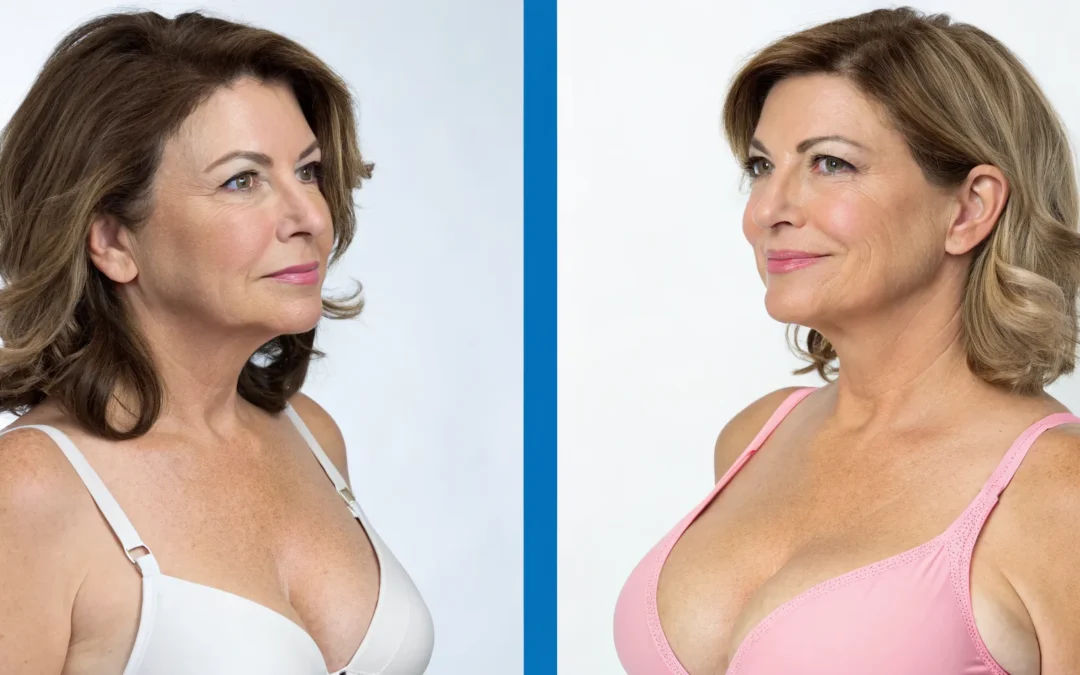
There’s something powerful about seeing a real transformation in before-and-after photos. When you look at images of a Fat Transfer Breast Augmentation, you’re seeing more than just a change in size; you’re seeing proof of artistry and natural-looking results. But what really happens between those two photos? The journey involves a meticulous process that combines body contouring with subtle enhancement, all using your own tissue. This guide will pull back the curtain and walk you through the entire experience, from what makes someone a great candidate to what recovery is truly like, so you can understand the story behind the stunning results you see.
There’s something uniquely powerful about seeing a real transformation. When you search for fat transfer breast augmentation before after photos, you’re looking for more than just a change in size; you’re looking for proof of artistry, balance, and natural-looking results. These images tell a story of how a skilled surgeon can use your own body fat to create subtle, beautiful contours that are uniquely yours. But what happens between those two photos? This guide will walk you through the entire process, from what makes someone a great candidate to what recovery is really like, so you can understand the journey behind the stunning results you see.
Key Takeaways
- Achieve a Two-in-One Result: Fat transfer breast augmentation uses your own fat—gently taken from an area like your stomach or thighs—to create a subtle enhancement, giving you the added benefit of body contouring.
- Expect a Modest, Lasting Change: This procedure is ideal for a natural-looking increase of about one cup size. While not every fat cell survives the transfer, the ones that do are there to stay, offering long-term results.
- Your Surgeon’s Experience Is Key: The success and safety of your procedure depend entirely on your surgeon’s technique. Choosing a board-certified surgeon with specific expertise in fat transfer is the most important step for a beautiful, natural outcome.
What Is a Fat Transfer Breast Augmentation?
If you’re looking for a natural way to enhance the size and shape of your breasts, fat transfer breast augmentation is an incredible option to consider. Instead of using implants, this procedure uses your body’s own fat to create a fuller, more contoured look. Think of it as a two-in-one treatment: we gently remove excess fat from an area where you don’t want it (like the abdomen, hips, or thighs) and then strategically place it in your breasts to achieve your desired volume and shape.
The primary appeal of this procedure is its natural approach. Because we’re using your own tissue, the results look and feel incredibly soft and authentic—because they are. It’s an excellent choice for anyone wanting a subtle to moderate increase in size or hoping to correct asymmetries. At our Comprehensive Breast Clinic, we find that many patients love this method because it avoids introducing foreign materials into the body and eliminates concerns about implant maintenance or replacement down the road. It’s all you, just beautifully reshaped.
How Does the Procedure Actually Work?
The process is straightforward and typically takes about two to three hours. First, we use liposuction to carefully harvest fat from a pre-selected area of your body, like your stomach or thighs. The incisions for this are tiny—usually less than a quarter of an inch—and are placed in discreet locations. Next, the harvested fat is purified to isolate the healthiest, most viable fat cells. Finally, this purified fat is skillfully injected into multiple layers of your breast tissue to create a smooth, natural-looking contour and add volume. It’s a meticulous process that our board-certified surgeon performs with precision and an artistic eye.
Fat Transfer vs. Implants: Which Is for You?
Choosing between fat transfer and implants really comes down to your personal goals. Implants are great for achieving a significant size increase and a very specific, often rounder, shape. If you’re dreaming of going up several cup sizes, implants will likely be the better path. On the other hand, fat transfer is perfect for a more subtle, natural-looking enhancement—typically about one cup size. The major benefit is that you get the added perk of body contouring where the fat was removed. Plus, since it’s your own tissue, the results blend seamlessly with your body for a look that is authentically yours.
Avoiding Implant-Specific Risks
A major reason many people lean towards fat transfer is the peace of mind that comes with avoiding implant-related complications. Because the procedure uses your own natural tissue, you sidestep many of the risks associated with implants, such as rupture, hardening of the surrounding capsule, or the need for replacement surgery every 10 to 15 years. There’s no foreign object in your body, which means no concerns about your body reacting to it over time. This approach offers a more organic enhancement that works in harmony with your body, providing a result that is not only beautiful but also feels completely natural to the touch—because it is.
Longevity of Results
So, how long can you expect your beautiful, natural results to last? The great news is that the outcome is designed to be long-term. During the procedure, not every single fat cell will survive the transfer. However, the cells that successfully establish a new blood supply become a permanent part of your breast tissue. This means they will behave just like any other fat cells in your body—they can grow if you gain weight and shrink if you lose it. It’s important to be patient, as it can take up to six months to see the final, settled outcome, but a significant portion of the transferred fat typically survives, leading to a lasting change.
Fact vs. Fiction: Common Myths Busted
Let’s clear up a few common myths. One of the biggest is that the results don’t last. While it’s true that not every single fat cell will survive the transfer, we use advanced techniques to maximize their viability. Once the transferred fat establishes a new blood supply, the results are long-lasting. Another misconception is that the procedure is very painful. In reality, most patients report that the recovery is more manageable than with traditional implant surgery, with discomfort primarily felt in the areas where liposuction was performed. It’s a less invasive approach that offers beautifully enduring results.
What Kind of Results Can You Expect?
When you’re considering fat transfer breast augmentation, it’s completely normal to wonder what the final outcome will look and feel like. The main goal of this procedure is to create a subtle, beautiful enhancement that works in harmony with your natural shape. While every person’s body is unique and results will vary, you can generally expect a modest increase in volume, improved symmetry, and a soft, natural contour. This procedure uses your own tissue to refine your silhouette, offering the two-in-one benefit of slimming one area while enhancing another. Let’s walk through what you can realistically anticipate from your results.
Your Guide to a Natural-Looking Enhancement
One of the biggest draws of a fat transfer is how incredibly natural the results are. Because the procedure uses your own fat cells, the augmented breasts look and feel just like your own tissue—because they are. There are no foreign objects, so the texture is soft and moves with you naturally. Many women find that fat transfer breast augmentation yields the most natural-looking and feeling results. This approach allows for meticulous sculpting, not just adding volume. Our surgeons at the Comprehensive Breast Clinic can improve symmetry and shape with precision, creating a final look that is uniquely yours and beautifully understated.
Timeline for Final Results
Patience is probably the hardest part of any cosmetic procedure, and it’s no different with a fat transfer. While you’ll notice an immediate difference in volume right after your surgery, the final, settled look takes a bit longer to reveal itself. You should plan on waiting about six months to see the true outcome. During these first few months, your body is working its magic. Initial swelling will gradually go down, and the newly transferred fat cells will begin to integrate with your existing breast tissue, establishing a new blood supply and settling into their new home.
It’s important to know that your body will naturally absorb some of the transferred fat—this is a normal and expected part of the process. A skilled surgeon anticipates this and plans accordingly. The great news is that the fat cells that successfully integrate are there for the long haul, giving you lasting, natural-looking fullness. So, while the journey requires some patience, the beautifully subtle and permanent enhancement is well worth the wait.
How Much Bigger Can You Realistically Go?
It’s important to have clear expectations about how much larger your breasts will get. A fat transfer is perfect for a modest increase, typically about one cup size. Unlike implants, which come in standard sizes, the amount of volume we can add with fat is limited by how much can be safely harvested and how much the breast tissue can support. Experts agree that fat cannot increase the size of the breast very much, as the transferred cells need to establish a blood supply to survive. This procedure is ideal for restoring lost volume or achieving a subtle enhancement, not for a dramatic change in size.
How Long Will Your Results Last?
Many people ask if the results are permanent, and the simple answer is yes. While a certain percentage of the transferred fat cells will be naturally reabsorbed by your body in the first few months, the cells that survive are there to stay. As these fat cells establish a blood supply, the results can last for years. Once settled, these cells will behave just like any other fat in your body, meaning they can expand or shrink if you gain or lose a significant amount of weight. Maintaining a stable weight is the best way to ensure your beautiful new contours last a lifetime.
Understanding Fat Survival Rates
It’s important to know that not every fat cell transferred will survive in its new home, and that’s a completely normal part of the process. Think of it like planting a garden—some seedlings will thrive, while others won’t. According to the Cleveland Clinic, approximately 60-80% of the transferred fat typically survives. The rest is simply and safely absorbed by your body over the first few months. This is why your surgeon will slightly overfill the area initially to account for this natural reduction. The final, beautiful results will become fully apparent at around the six-month mark, once the surviving fat cells have settled in and established a permanent blood supply.
The Possibility of a Second Procedure
Because the goal is a natural enhancement, it’s crucial to inject a safe amount of fat at one time to ensure the cells have the best chance of survival. For some women who desire a bit more volume than can be achieved in a single session, a second procedure might be an option. This isn’t a sign that the first one didn’t work; it’s a planned approach to gradually and safely build upon your results. As experts note, a fat transfer is perfect for achieving a modest increase, typically about one cup size. Discussing your ultimate goals with your surgeon during your consultation will help create a clear plan from the start.
What to Look for in Before-and-After Photos
A picture is truly worth a thousand words when it comes to cosmetic surgery. Looking at a surgeon’s before-and-after photo gallery is one of the best ways to understand the kind of results they produce. As you review photos, look for patients who have a similar body frame and starting breast shape to your own. This will give you a more realistic idea of what’s possible. Pay attention to the artistry—do the results look balanced and natural? Are the contours smooth? A quality gallery will show consistent outcomes from various angles. We have an extensive portfolio of patient photos we’d be happy to share with you when you schedule a private consultation.
What Happens During the Procedure?
Thinking about the actual day of your procedure can feel a little intimidating, but knowing what to expect can make all the difference. A fat transfer breast augmentation is a refined, multi-step process designed to create beautiful, natural-looking results. It’s essentially two procedures in one: liposuction to gather the fat and then the careful transfer of that fat to the breasts. Our team at the Comprehensive Breast Clinic is here to guide you through every phase, ensuring you feel comfortable and confident from start to finish. Let’s walk through what the day of your surgery will look like.
Your Pre-Surgery Checklist
Your safety and results are our top priorities, and that starts with proper preparation. Before your surgery, it’s so important to be open with your surgeon about your full medical history, including any medications, herbs, or supplements you take. You’ll likely be asked to stop taking blood thinners like aspirin about a week before your procedure to minimize bruising. If you smoke, you’ll need to quit at least four weeks before and four weeks after surgery, as smoking can interfere with healing and the survival of the fat cells. Following these guidelines is a team effort that sets the stage for a smooth procedure and an even smoother recovery.
The Role of a Pre-Surgery Mammogram
Getting a mammogram before your fat transfer breast augmentation is a really smart step, especially if you’re over 40 or have a family history of breast cancer. Think of it as creating a “before” picture of your breast tissue. This baseline image is incredibly helpful for future screenings. While the procedure itself doesn’t increase your risk of breast cancer, it can sometimes cause tiny calcium deposits to show up on later mammograms. According to the Cleveland Clinic, these are usually harmless, but having that pre-surgery scan gives your doctor a clear comparison point. It’s also crucial to always let your radiologist know you’ve had a fat transfer. This helps them accurately interpret your results and understand that things like fat necrosis (harmless, dead fat cells) are a normal part of the healing process, preventing any unnecessary alarms or follow-up tests.
Step 1: Gently Removing Donor Fat
The first exciting step of the procedure is collecting the fat. This is done using liposuction, where we gently remove fat from another area of your body, like your abdomen, hips, or thighs. Many patients love this part of the process because it offers a double benefit: not only are we gathering the fat needed for your breast enhancement, but we’re also contouring the donor area. This helps create a more balanced and harmonious overall shape. We’ll work with you beforehand to choose the best donor sites to achieve your specific aesthetic goals.
Step 2: Preparing and Placing the Fat
Once the fat has been collected, it isn’t immediately ready for transfer. It first goes through a special purification process. We use a device called a centrifuge to spin the harvested tissue, which separates the pure, healthy fat cells from other fluids like oil and blood. This step is critical because it ensures we are only using the highest quality fat cells, which have the best chance of survival. After purification, the fat is skillfully injected in small amounts into different layers of your breast tissue. This meticulous technique allows your surgeon to sculpt a soft, natural-looking shape and feel.
Anesthesia and Procedure Duration
Knowing what to expect on your surgery day helps set clear expectations and calm any nerves. The entire fat transfer breast augmentation procedure is quite efficient, typically lasting between two and three hours from start to finish. This timeframe covers both the gentle liposuction to harvest fat from your chosen donor area and the meticulous process of injecting it to enhance your breasts. To ensure you are completely comfortable and pain-free, the procedure is performed under general anesthesia, meaning you will be asleep the entire time. Because of the anesthesia, it’s essential that you arrange for a trusted friend or family member to drive you home afterward and help you settle in for recovery. Our team will provide you with detailed pre- and post-operative instructions to make sure your experience is as smooth and safe as possible.
What Is the Recovery Process Like?
One of the most common questions we hear is about the recovery. The great news is that recovery from a fat transfer breast augmentation is often smoother and quicker than what you might expect from traditional implant surgery. Since the procedure uses your own tissue and smaller incisions, your body has a more natural healing process. Most of the initial discomfort comes from the liposuction areas rather than the breasts themselves. Your surgeon will give you a detailed post-operative plan, but understanding the general timeline and care instructions ahead of time can help you feel prepared and confident as you heal.
Your Week-by-Week Healing Guide
You’ll be able to go home the same day as your procedure to rest and recover in your own space. Pain is typically mild to moderate and is easily managed with prescribed medication. You’ll notice swelling and bruising in both the liposuction and breast areas, which is completely normal. Swelling usually peaks around day two and will significantly decrease over the next six to eight weeks. Most of the bruising should fade within about two weeks. Following your post-op instructions closely is the best way to ensure your healing stays on track and you feel comfortable throughout the process.
Managing Compression Garments
After your procedure, you’ll be given a compression garment for the areas where liposuction was performed and a special surgical bra for your breasts. Think of these as your essential recovery accessories. Wearing them consistently is one of the most important things you can do to ensure a smooth healing process. These garments are crucial because they help reduce swelling and provide support to both the donor sites and the newly transferred fat cells, giving them the best possible environment to thrive. You’ll need to wear them as close to 24/7 as possible for the first few weeks, only taking them off to shower. While it might feel a bit restrictive at first, sticking to this plan is key for achieving those beautiful, lasting results you’re looking forward to. Your surgeon will give you precise instructions on how long to wear them.
My Top Tips for a Smooth Recovery
Proper care after your surgery is key to protecting the newly transferred fat cells and achieving the best possible results. You will be fitted with a compression garment for the areas where fat was harvested, which you’ll wear for a couple of weeks to minimize swelling. For your breasts, you’ll likely wear a special surgical bra that provides support without putting too much pressure on the delicate fat. Our team at the Comprehensive Breast Clinic will show you exactly how to care for your incisions. It’s also crucial to avoid sleeping on your stomach and to refrain from strenuous activities for at least two weeks to give the fat cells the best chance of survival.
Returning to Exercise, Work, and Life
Most people feel ready to return to work and light daily activities within a week, though you may need a little more time if your job is physically demanding. Compared to implant augmentation, patients often report less pain and a more comfortable recovery overall. Listening to your body is the most important thing—don’t push yourself too hard, too soon. During your initial meeting, we’ll discuss your lifestyle and job to create a personalized recovery timeline that works for you. If you have specific concerns, we encourage you to schedule a consultation to discuss them with our team.
When to Resume Strenuous Activities
I know how eager you might be to get back to your favorite workout class or gym routine, but patience is truly your best friend during this part of recovery. While gentle walking is encouraged right away to promote circulation, you’ll need to avoid any strenuous activities—think running, heavy lifting, or high-impact exercises—for at least four to six weeks. This waiting period is so important because it gives the newly transferred fat cells the best possible chance to settle in and establish a new blood supply. Putting too much pressure on your chest or significantly raising your heart rate too soon can compromise your results. Your surgeon at our Comprehensive Breast Clinic will give you a specific timeline based on your personal healing progress, so always follow their lead and listen to your body.
A Candid Look at Risks and Safety
Making the decision to have any cosmetic procedure is a big one, and your safety is always the top priority. Fat transfer breast augmentation is considered a very safe procedure, especially when performed by an experienced, board-certified surgeon. Like any surgery, it comes with a set of potential risks and side effects. Being fully informed about them is a key part of feeling confident and prepared for your treatment.
At our center, we believe in complete transparency. We are committed to patient education and ensuring you understand every aspect of the procedure, from the beautiful results you can achieve to the recovery process and safety measures we have in place. Our approach is rooted in the extensive European and American experience of our surgical team, which prioritizes your well-being above all else. Understanding the safety profile is the first step toward a positive and empowering experience.
What to Expect Immediately After Surgery
After your procedure, it’s completely normal to experience some temporary side effects as your body begins to heal. You can expect some bruising, swelling, and soreness in both the area where fat was harvested and in your breasts. Think of this as your body’s natural response to the process. These effects are most noticeable in the first week or two and will gradually subside on their own. We will provide you with detailed post-operative instructions to help manage any discomfort and ensure your recovery is as smooth and quick as possible.
Potential Risks and Complications
While the temporary side effects like swelling are a normal part of healing, it’s also important to be aware of potential complications. Though rare, these can include issues like fat necrosis (where some fat tissue doesn’t survive), the formation of cysts, or calcifications, which can sometimes complicate future mammogram readings. The key to minimizing these risks lies almost entirely in the hands of your surgeon. Their technique for harvesting, purifying, and injecting the fat is what ensures the highest survival rate and the smoothest, most natural outcome. This is why choosing a board-certified surgeon with deep experience in this specific procedure is the most important decision you’ll make.
Bleeding and Infection
Like any procedure that involves incisions, there is a small risk of bleeding and infection. We take every precaution to create a sterile environment and minimize these risks from the very beginning. Following your pre-op instructions, like avoiding blood-thinning medications, is your first line of defense against excessive bleeding or bruising. After your surgery, keeping your small incision sites clean and dry is crucial for preventing infection. While these complications are uncommon, our team is always here to monitor your healing and address any concerns you might have. Your health and safety are our absolute priorities throughout your entire journey with us.
How a Skilled Surgeon Keeps You Safe
While serious complications are rare, they can include issues like fat necrosis (the loss of some fat cells), oil cysts, or calcification. It’s important to know that these risks are almost always linked to the surgeon’s technique. This is why choosing a highly qualified and experienced surgeon is so critical. Our Comprehensive Breast Clinic specializes in these delicate procedures. We use advanced, meticulous techniques for harvesting, purifying, and injecting the fat to ensure the highest possible cell survival rate and the smoothest, most natural-looking results, significantly reducing the likelihood of any complications.
Will This Affect Future Mammograms?
It’s also important to consider how this procedure might affect your future breast health screenings. The fat transfer process can sometimes cause tiny, harmless spots called microcalcifications to appear on future mammograms. While these are not a health risk, they can sometimes be mistaken for pre-cancerous signs. For this reason, it is essential that you always inform your radiologist that you have had a fat transfer breast augmentation. This simple piece of information allows them to read your mammogram accurately and ensures you continue to receive the best possible long-term care without any confusion.
How to Choose the Right Surgeon
Selecting the right surgeon is the single most important decision you’ll make on this journey. It’s about more than just the procedure; it’s about finding a partner you trust to bring your vision to life safely and artfully. When you’re meeting with potential surgeons, focus on three key areas: their credentials, their past work, and how they communicate with you. This approach will help you find a surgeon who not only has the technical skill but also understands your personal aesthetic goals.
Why Board Certification Is a Must
Think of board certification as the gold standard in plastic surgery. It means a surgeon has gone through extensive, specialized training and passed rigorous exams to prove their expertise. This isn’t just a piece of paper; it’s your assurance of their commitment to safety and quality. Experience with fat transfer breast augmentation specifically is also critical. This procedure is a blend of science and artistry, and a surgeon with years of practice has refined the techniques needed for beautiful, lasting results. You can learn more about our surgeon’s European and American board certifications and experience to understand what sets our practice apart.
How to Read a Surgeon’s Photo Gallery
A surgeon’s before-and-after gallery is their portfolio, and it’s one of the best tools you have for your research. When you review photos, look beyond just the “after” shot. Do the results look natural and proportional? Look for patients with a similar body type and breast shape to yours to get a realistic idea of what’s possible. A good gallery will showcase a variety of outcomes, reflecting the surgeon’s ability to tailor the procedure to each individual. Our Comprehensive Breast Clinic is dedicated to creating personalized results that align with your unique goals.
Questions You Should Ask at Your Consultation
Your consultation is your time to get answers and see if the surgeon is a good fit. Don’t be shy—this is your health and your body. Come prepared with a list of questions. You should always discuss your full medical history and any medications you take, as some may need to be paused before surgery.
Here are a few essential questions to ask:
- How many fat transfer augmentations have you performed?
- Where will the fat be harvested from, and what technique will you use?
- What does the recovery process look like for your patients?
- What measures do you take to ensure patient safety?
Feeling comfortable and heard is just as important as the surgeon’s technical skill. When you’re ready, we invite you to schedule a consultation to discuss your goals with us.
Is This Procedure Right for You?
Deciding on any cosmetic procedure is a big step, and it’s all about finding the perfect fit for your body and your goals. Fat transfer breast augmentation is a fantastic option for many, but it’s not a one-size-fits-all solution. Thinking through your own goals and anatomy is the best way to figure out if this is the right path for you. Let’s walk through what makes someone a great candidate, what kind of results you can realistically expect, and what other options are on the table.
Are You a Good Candidate for Fat Transfer?
The best candidates for fat transfer breast augmentation are typically those looking for a modest, natural increase in breast size—usually about one cup size. Since the procedure uses your own body fat, you’ll need to have enough extra fat in another area, like the abdomen, hips, or thighs, to harvest. This makes it a great two-in-one procedure for contouring another part of your body. It’s important to remember this isn’t a weight-loss surgery. The ideal person is at a stable weight they’re happy with and has specific areas they’d like to slim down while enhancing their breasts. Our Comprehensive Breast Clinic can help you determine if your goals align with this procedure.
Who Isn’t a Good Candidate?
While this procedure is a wonderful option for many, it’s not the right fit for everyone. It’s best for those who want a subtle increase in breast size and have enough body fat for the surgeon to harvest. According to the Cleveland Clinic, people with very little body fat might not be good candidates. This procedure is also not recommended for individuals who smoke, as smoking can seriously compromise healing and the survival of the transferred fat cells. Finally, it’s important that you are at a stable weight you’re happy with, as significant weight fluctuations after the procedure can alter your results. The goal is to find the perfect procedure for your unique body and goals.
The Importance of Skin Elasticity
Another key factor in getting a beautiful result is your skin’s elasticity. Think of it as the skin’s ability to snap back into place. Good skin elasticity means your skin can effectively support the new volume, helping to create a lifted and well-defined shape that lasts. If the skin has lost some of its natural firmness, it may not hold the new shape as well, which could lead to a softer or less perky outcome. This is something your surgeon will carefully assess during your consultation. At our Face & Neck Clinic, we see how crucial skin quality is for surgical results, and the same principle applies here. It’s all part of creating a personalized plan that ensures your results are both beautiful and long-lasting.
What This Procedure Can (and Can’t) Do
Having realistic expectations is key to being happy with your results. Fat transfer breast augmentation is celebrated for creating an outcome that looks and feels incredibly natural—because it’s all you. However, it does have its limits. You won’t see the dramatic size increase or the specific, rounded projection that you might get with implants. The goal here is a subtle, beautiful enhancement that complements your existing shape. While implants can offer more precise shaping, a fat transfer provides a softer, more organic contour. It’s about choosing the aesthetic that feels right for you and understanding what each technique can deliver.
Limitations for Sagging Breasts
It’s a common question we hear: can a fat transfer fix sagging breasts? The honest answer is that this procedure is designed to add volume, not to provide a lift. While adding fullness can sometimes create a slightly more youthful appearance, it doesn’t address the underlying issues of stretched skin or descended breast tissue. This procedure makes breasts bigger but doesn’t make them firmer or lift them. For women with significant sagging, a breast lift is often the more effective solution to reposition the breast tissue and create a perkier contour. Our experts at the Comprehensive Breast Clinic can help you determine the best approach for your unique anatomy and goals.
What Are the Alternatives?
If you’re looking for a more significant change in volume or a very specific shape, breast implants might be a better alternative. Implants, which come in either silicone or saline, can provide more dramatic projection and a larger size increase than fat transfer alone. The choice really comes down to your personal goals. Do you prefer a completely natural approach with the added benefit of body contouring, or is achieving a particular size and shape your top priority? During your consultation, we can explore all the cosmetic procedures available and discuss the pros and cons of each, ensuring you make a confident, informed decision.
Ready to Talk? What to Expect at Your Consultation
Walking into a consultation can feel like a big step, but it’s really just a conversation. This is your dedicated time to connect with us, share your vision, and get clear, honest answers to all your questions. Our goal is to make sure you feel completely comfortable and informed. We’ll map out what the process looks like from start to finish, ensuring every part of your plan is tailored specifically to you. Think of it as the collaborative first step toward achieving the natural-looking results you want, where your safety and satisfaction are the top priorities.
Designing a Plan That’s Uniquely You
Your body and your goals are unique, so your treatment plan should be, too. During our one-on-one discussion, our first priority is to understand what you hope to achieve. We’ll talk about your desired breast size and shape, and assess the areas where fat can be harvested. This is a partnership; we combine your vision with our surgeon’s European and American expertise to design a surgical plan that is both safe and effective. We’ll walk you through every detail, from the liposuction technique to the fat injection process, so you know exactly what to expect and feel confident in the path forward.
Let’s Talk About Cost and Next Steps
We believe in complete transparency, especially when it comes to the financial details. In your consultation, we will provide a clear, detailed breakdown of all the costs associated with your procedure—no surprises. This is also the perfect time to ask any final questions and review our gallery of before-and-after photos to see real results from our patients at the Comprehensive Breast Clinic. Once you feel ready, we can discuss scheduling your surgery and provide you with all the pre-operative instructions you’ll need to prepare. To take the next step, simply contact our office to book your private consultation and start the conversation.
Understanding the Cost Breakdown
Let’s talk about one of the most practical aspects of this procedure: the cost. It’s important to have a clear picture of the investment you’re making. According to industry data, fat transfer breast augmentation typically costs between $7,263 and $17,500, with an average of around $9,137. This range often surprises people, as it can be higher than the cost of implants. The reason is that you’re essentially getting two procedures in one—liposuction to harvest the fat and the augmentation itself. The final price tag will cover everything from the surgeon’s fee and anesthesia to the facility costs. During your consultation, we’ll provide you with a detailed, personalized quote so you know exactly what to expect.
Navigating Insurance Coverage
Another common question is whether insurance will help cover the cost. In most cases, the answer is no. As a general rule, fat transfer breast augmentation is not covered by insurance because it is considered a cosmetic procedure. The main exception is when it’s part of a medically necessary breast reconstruction, such as after a mastectomy. If you believe your procedure might fall into this category, the best course of action is to speak directly with your insurance provider to understand your specific policy. For elective procedures, we can discuss various financing options to help make your aesthetic goals a reality.
Related Articles
- Breast Augmentation and Fat Transfer 101
- Fat Transfer Breast Augmentation | Cosmetics Surgery Center
Frequently Asked Questions
How much bigger can my breasts get with a fat transfer? The most realistic expectation is an increase of about one cup size. The amount of volume we can add is limited by two main factors: how much fat can be safely harvested from your body and how much your existing breast tissue can support. The goal is to ensure the new fat cells get the blood supply they need to survive, which is why this procedure is perfect for a beautiful, natural-looking enhancement rather than a dramatic change in size.
Do I need to have a lot of extra fat to be a candidate? Not at all. You don’t need to be overweight to be a great candidate for this procedure. What matters is having enough specific, localized areas of fat that can be harvested—think of the abdomen, hips, or thighs. Even people with a slender build often have sufficient fat in these spots. The best way to know for sure is to have a surgeon assess your unique anatomy during a consultation.
What does recovery feel like compared to getting implants? Many patients find recovery from a fat transfer to be more comfortable than with implants. The main difference is where you feel the discomfort. With a fat transfer, most of the soreness is in the areas where liposuction was performed, often described as feeling like a deep muscle ache. Your breasts themselves typically have minimal pain. This is quite different from implant surgery, which can involve more significant discomfort in the chest area as the muscles and tissues adjust.
What happens to my results if my weight changes in the future? This is a great question because it gets to the heart of how natural the results are. The transferred fat cells are living tissue, and once they’ve settled in, they will behave just like any other fat in your body. This means if you gain a significant amount of weight, your breasts will likely get a bit larger. If you lose weight, they may become slightly smaller. Maintaining a stable weight is the best way to preserve your results for years to come.
Will the results look lumpy or uneven? When performed by a skilled and experienced surgeon, the results should be smooth, soft, and completely natural-looking. The risk of lumpiness is minimized by the surgeon’s technique. The purified fat is injected in tiny droplets across multiple layers of breast tissue, allowing for meticulous sculpting and a seamless contour. This is precisely why choosing a board-certified surgeon with extensive experience in this specific procedure is so important.
Recent Comments