
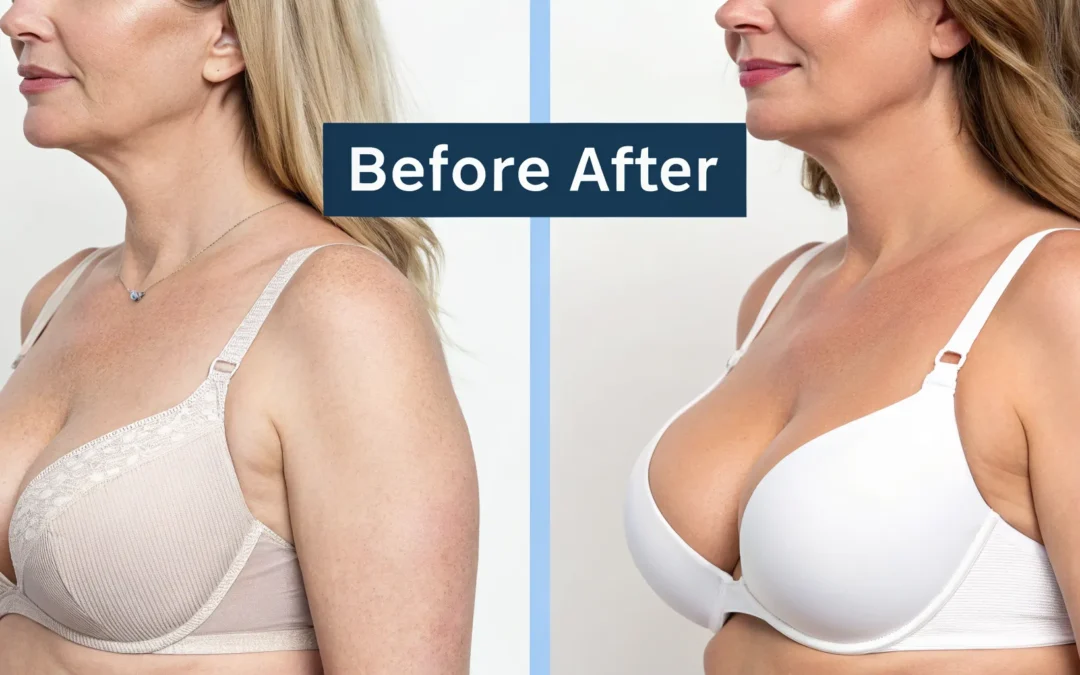
While the idea of using your own fat for enhancement has been around for a while, modern techniques have made the procedure more reliable and effective than ever. Today’s advanced methods for a fat transfer to breasts involve sophisticated purification processes that isolate the healthiest, most viable fat cells. The injection techniques have also been refined, allowing surgeons to place the fat in tiny droplets across multiple tissue layers. This meticulous approach is key to ensuring the fat establishes a blood supply and survives long-term. This guide will explain how these modern advancements work and why they lead to smoother contours and more predictable, beautiful results.
One of the most appealing aspects of a fat transfer is that it’s essentially two body contouring procedures in one. The process begins by gently removing unwanted fat from an area like your abdomen, thighs, or flanks, which slims and refines that part of your body. Then, that same purified fat is used to enhance the size and shape of your breasts. This dual benefit is what makes scrolling through fat transfer to breasts before and after galleries so compelling—you can see the beautiful transformation in both areas. In this article, we’ll break down exactly how this technique works, what recovery is like, and how to know if you’re a good candidate for this popular procedure.
Key Takeaways
- View Fat Transfer as a Dual Body Contouring Procedure: This technique uses your own tissue to create a subtle, natural-looking breast enhancement—typically a one-cup-size increase—while simultaneously slimming the donor area, such as your stomach or thighs.
- Set Realistic Expectations for Your Final Shape: Your final results will settle in around the six-month mark after initial swelling resolves. Since only about 50-70% of the transferred fat survives long-term, the outcome is a beautifully modest enhancement, not a dramatic transformation.
- Your Surgeon’s Specialized Skill is Key to Success: The quality of your results depends on choosing a board-certified surgeon who regularly performs fat transfers. This ensures they have both the technical precision for liposuction and the artistic eye needed to place the fat for a smooth, symmetrical outcome.
How Does Fat Transfer to Breasts Work?
If you’re looking for a natural way to enhance the size and shape of your breasts, fat transfer breast augmentation is an incredible option. This procedure uses your own body fat to add volume, creating results that look and feel completely like you—because they are. Think of it as a two-in-one body contouring treatment. First, unwanted fat is gently removed from an area like your abdomen, thighs, or flanks. Then, that same fat is used to subtly increase the fullness of your breasts.
Many women choose this path because it avoids implants, using the body’s own tissue to achieve a beautiful, understated enhancement. It’s an ideal solution if you’re hoping for a modest increase in size, want to improve breast symmetry, or wish to restore volume lost over time. At our Comprehensive Breast Clinic, we focus on creating results that harmonize with your natural figure. The entire process is broken down into three main steps, each performed with precision and care to give you the best possible outcome.
What to Expect on Procedure Day
Knowing the flow of your surgery day can help ease any pre-procedure jitters. From the moment you arrive at our center, our team is focused on your comfort and safety. Here’s a simple breakdown of what the day will look like, starting with how we ensure you’re comfortable throughout the entire process.
Anesthesia and the Outpatient Process
Your fat transfer breast augmentation will be performed in a fully accredited outpatient surgery center, ensuring the highest standards of safety. The procedure itself is done under general anesthesia, which means you will be completely asleep and comfortable from start to finish. Our experienced anesthesia team will monitor you closely the entire time. This approach allows your surgeon to focus on the meticulous three-step process—carefully harvesting the fat, purifying it, and then artfully re-injecting it to create a smooth, natural contour—without you feeling a thing. Your well-being is our top priority, and we take every measure to ensure a safe and serene experience.
Because this is an outpatient procedure, you’ll be able to return home on the same day to begin your recovery in a familiar, comfortable environment. After the surgery, you’ll spend a short time in our recovery area where our team will make sure you’re feeling well before you’re discharged. It’s essential to arrange for a friend or family member to drive you home and stay with you for at least the first 24 hours. Having that support is a key part of a smooth recovery. If you have any questions about preparing for your day, our team is always here to help you get the answers you need.
Step 1: Removing the Donor Fat
The process begins by collecting donor fat from a pre-selected area of your body. This is done using a specialized, gentle liposuction technique designed to protect the delicate fat cells. Common donor sites are places where you have a little extra fat to spare, like the stomach, love handles, or inner and outer thighs. This first step not only gathers the fat needed for the transfer but also slims and contours the donor area. Our approach at the European Cosmetic Clinic ensures this is done with minimal trauma to the surrounding tissue, which helps preserve the viability of the fat cells for the next step.
Step 2: Preparing the Fat Cells
Once the fat has been collected, it can’t be immediately transferred. It first needs to go through a purification process. This crucial step separates the pure, healthy fat cells from other materials like excess fluid, blood, and oil. Using a centrifuge or a filtration system, we isolate a concentrated sample of the most robust fat cells. This ensures that only the highest quality tissue is used for the augmentation. Taking the time to properly purify the fat is essential for its survival after it’s placed in the breasts, which directly impacts the longevity and predictability of your final results.
Step 3: Adding the Fat to Your Breasts
This is where the artistry comes in. The purified fat is skillfully injected into your breasts in tiny droplets, distributed across multiple layers of tissue. Our board-certified surgeon uses a meticulous technique to place the fat strategically, sculpting a fuller, more shapely contour while ensuring a smooth and natural appearance. This careful placement is vital because it allows the newly transferred fat cells to establish a blood supply in their new home, which is what they need to survive and thrive. The goal is to create a soft, subtle enhancement that complements your unique anatomy.
Combining Fat Transfer with Other Procedures
Fat transfer is an incredibly versatile procedure that doesn’t have to be a standalone treatment. Its ability to add soft, natural volume makes it a perfect partner for other breast surgeries. Whether you’re looking to refine the results of breast implants or restore shape after having them removed, fat transfer can be tailored to meet your specific aesthetic goals. This flexibility allows for a highly personalized approach, ensuring the final outcome is beautifully suited to your body and your vision. At our Comprehensive Breast Clinic, we often discuss these combination procedures with patients to help them achieve the most nuanced and natural-looking results possible.
Pairing with Breast Implants
For those who want the significant volume increase that implants provide but crave a more natural look and feel, combining implants with fat transfer is a fantastic option. This hybrid approach uses a breast implant to create the primary size and projection, while fat transfer is used to add a finishing touch. By strategically injecting your own fat around the implant, a surgeon can soften the implant’s edges, conceal any visible rippling, and create a more seamless transition between the breast and the chest wall. This technique is especially useful for creating natural-looking cleavage and achieving a beautiful, soft contour that might be difficult to get with implants alone.
Enhancing Post-Implant Removal Results
Deciding to remove breast implants is a personal choice, but it can sometimes leave the breasts looking deflated or with contour irregularities. Fat transfer offers a wonderful solution for restoring a natural shape and volume without reintroducing implants. After the implants are removed, your own purified fat can be used to smooth the breast tissue and add back a modest amount of fullness. This helps create a soft, natural-looking breast mound that feels completely like your own. It’s an ideal way to rejuvenate the breasts after an explant, ensuring you feel confident and happy with your natural silhouette.
Fat Transfer or Implants: Which Is Right for You?
Deciding on breast augmentation is a big step, and one of the first questions you’ll face is how you want to achieve your new look. The two main paths are fat transfer and breast implants. While both can give you beautiful results, they are very different procedures with unique benefits and outcomes. Our Comprehensive Breast Clinic specializes in helping you find the right fit for your body and aesthetic goals. Think of it less as which one is “better” and more about which one aligns with your vision. Let’s break down the key differences to help you understand what to expect from each.
How Will They Look and Feel?
One of the most significant differences comes down to the final texture and appearance. Because fat transfer uses your own tissue, the results tend to look and feel incredibly natural. Unlike implants, the transferred fat integrates with your existing breast tissue, so the enhanced breasts are soft and move just like they always have. Breast implants, on the other hand, can sometimes feel firmer or more distinct, depending on the type of implant and its placement. While modern implants are designed to look very natural, the feel is a key point of distinction for many women who prioritize a result that is completely indistinguishable from their own tissue.
How Much Bigger Can You Go?
Your goals for size will play a huge role in determining the right procedure for you. Fat transfer is perfect for a subtle and natural-looking increase. You can usually expect to go up about half to one cup size per procedure. It’s an ideal choice if you’re looking for a modest enhancement or want to restore lost volume and improve shape. If you’re hoping for a more dramatic change, breast implants offer a more predictable and significant size increase. With implants, you can achieve a transformation of several cup sizes in a single surgery, giving you more control over the final volume and projection of your breasts.
How Long Do Results Last?
When we talk about longevity, the two procedures have very different timelines. With fat transfer, the fat cells that successfully integrate into your breasts are permanent. They will change with your body over time, just like your natural breast tissue would. However, it’s important to know that only about 50-60% of the injected fat typically stays long-term, so some of the initial fullness will decrease as your body settles. In contrast, breast implants are not considered lifetime devices. While they are durable, they may need to be replaced or removed after 10 to 15 years. Our experienced surgeon can help you understand the long-term considerations for both options.
Benefits of Choosing Fat Transfer
Beyond the beautiful, natural-looking results, choosing fat transfer offers a unique sense of confidence and peace of mind. Because the procedure uses your own tissue, you’re working in harmony with your body, not introducing a foreign object. This eliminates a whole category of concerns that can come with implants. For many women, the decision is about more than just aesthetics; it’s about choosing a path that feels right for their long-term health and well-being. The benefits extend from avoiding future surgeries to preserving the natural feeling of your body, making it an appealing choice for those who value a holistic approach to enhancement.
Avoiding Implant-Related Risks
One of the most compelling reasons to choose fat transfer is that you sidestep the long-term maintenance and potential complications associated with breast implants. Implants are not lifetime devices and often require replacement surgery every 10 to 15 years. With fat transfer, you don’t have to worry about issues like implant rupture, hardening of the surrounding capsule, or shifting. Furthermore, this procedure completely avoids the rare but serious risk of breast implant-associated anaplastic large cell lymphoma (BIA-ALCL), a type of immune system cancer linked to certain textured implants. At our Comprehensive Breast Clinic, we find this gives patients incredible peace of mind for their future health.
Maintaining Nipple Sensation
A common concern for anyone considering breast surgery is how it might affect nipple sensation. With a fat transfer breast augmentation, this is typically not a concern. The procedure is designed to be very gentle on the existing breast tissue. Because the surgeon is carefully injecting small droplets of fat into the surrounding areas to add volume, the nerves that supply feeling to the nipple are generally left undisturbed. This meticulous technique allows for an increase in size and an improvement in shape without compromising the natural sensitivity of your breasts, which is a significant advantage for many women.
What Will Your Fat Transfer Results Look Like?
One of the best parts of a fat transfer is how beautifully natural the results are. Because the procedure uses your own tissue, the added volume looks and feels just like the rest of your breast. There are no foreign objects, just a softer, fuller, and more contoured shape that is uniquely yours. However, it’s important to go into the process with clear expectations about the size, timeline, and what makes a result successful. Understanding these key factors will help you feel confident and informed as you move forward.
What’s a Realistic Size Increase?
A fat transfer to the breasts is perfect for achieving a subtle and natural-looking enhancement. Most patients can expect to go up about one cup size—for example, from a B cup to a C cup. The goal isn’t dramatic change, but rather a moderate increase in volume and an improved, smoother contour. The transferred fat integrates seamlessly with your existing breast tissue, so the final result feels completely natural to the touch. It’s an ideal option if you’re looking for a modest increase in size and shape without the look or feel of implants.
How New Techniques Are Changing Outcomes
While the idea of using your own fat for enhancement isn’t new, the technology and techniques behind it have evolved significantly, making the results more predictable than ever. A key advancement is in the purification process. After fat is gently collected via liposuction, it’s placed in a centrifuge that spins it at high speeds to separate the pure, healthy fat cells from excess fluid and oil. This step is critical because it ensures only the most viable cells are used for the transfer. Furthermore, the injection technique itself has been perfected. Instead of simply adding volume, our surgeon meticulously places tiny droplets of purified fat throughout the breast tissue. This artistic approach ensures the new cells can establish a blood supply, which is essential for their long-term survival and contributes to a smoother, more natural-looking final shape.
How Much of the Transferred Fat Will Last?
It’s crucial to know that not every fat cell transferred will survive in its new location. This is a completely normal part of the process. On average, you can expect about 50% to 70% of the transferred fat to establish a permanent blood supply and thrive. Your body will naturally absorb the rest over the first few months. Your surgeon will account for this by slightly overfilling the area initially. The fat that successfully integrates will remain for the long term, giving you a lasting and natural enhancement.
Understanding Fat Survival Rates
When you’re considering a fat transfer breast augmentation, it’s helpful to understand the survival rate of the transferred fat. Not every cell will make its new home permanent, and that’s a completely normal part of the process. On average, about 50% to 70% of the fat cells will successfully establish a new blood supply and thrive in your breast tissue. This means that immediately after your procedure, your breasts will appear a bit fuller than their final size. Over the first few months, your body will naturally absorb the remaining cells. It typically takes around six months for all the initial swelling to resolve and for your final, settled results to appear.
The success of this process is significantly influenced by the surgeon’s technique, particularly during the purification and injection stages. Properly preparing the fat cells is crucial for their survival, as it ensures only the healthiest and most robust cells are used. This is why the expertise of your board-certified surgeon is so critical. Their meticulous approach to placing the purified fat maximizes its access to a blood supply, which is what allows it to integrate successfully. This skill is key to achieving a smooth, symmetrical, and lasting result that feels completely natural.
When Will You See Your Final Results?
Patience is key when waiting for your final results to appear. You’ll see an immediate increase in volume after the procedure, but much of this is due to swelling. Most of the swelling will subside within the first two to three months, giving you a much clearer picture of your new shape. The final, stable results are typically visible at the six-month mark, once the fat has fully settled and the initial absorption has occurred. Keep in mind that since the transferred cells behave like any other fat cells, significant weight fluctuations in the future can alter your results.
Limitations of Fat Transfer to Breasts
While fat transfer is an amazing option for natural enhancement, it’s important to have a clear picture of what it can and can’t do. Understanding its limitations helps ensure your expectations are aligned with the results the procedure can realistically deliver. Two key areas to consider are its effect on sagging and the possibility of needing more than one session to reach your goal. Being aware of these factors from the start is the best way to feel confident and happy with your final outcome.
Addressing Sagging Breasts
If your main concern is sagging or drooping, it’s important to know that a fat transfer alone won’t provide a lift. The procedure is fantastic for adding volume, which can fill out the breast and create a rounder, fuller shape, but it doesn’t tighten or remove excess skin. As the Cleveland Clinic explains, fat transfer will make breasts larger but won’t lift them. For women who want firmer, more elevated breasts, a separate breast lift procedure is often the best solution. During a consultation at our Comprehensive Breast Clinic, we can assess your skin elasticity and breast position to determine if a lift, a fat transfer, or a combination of both would best achieve your desired outcome.
The Potential Need for Multiple Procedures
To achieve your ideal size, you might need more than one fat transfer session. This is because there’s a limit to how much fat can be safely injected at one time, and not all of the transferred fat will survive. Since only about 50-70% of the fat cells will establish a new blood supply and become permanent, a second round may be needed to reach your volume goals. In fact, many people need two procedures on average to get the results they want. Planning for a second session allows us to build upon your initial results carefully, adding more volume once the first transfer has fully settled. This staged approach ensures the best possible fat survival and a smooth, natural-looking final shape.
What Is Recovery Like?
Knowing what to expect after your procedure can make the entire experience feel much more comfortable and predictable. Recovery from a fat transfer breast augmentation happens in two parts: healing at the liposuction site and healing in the breasts where the fat was placed. While everyone’s healing journey is unique, there’s a general timeline you can anticipate. Your surgeon will give you a detailed plan, but here’s a look at what the first few weeks typically involve.
Our team at the Comprehensive Breast Clinic is dedicated to supporting you through every step, ensuring you feel informed and cared for from your initial consultation to your final follow-up appointment. We prioritize your comfort and safety, providing clear instructions to help you achieve the best possible results. Following your post-operative guidelines carefully is the most important thing you can do to ensure a smooth recovery.
Your First Few Weeks of Healing
Right after your surgery, swelling is completely normal and expected. It tends to be most noticeable around the second day and will gradually subside over the next six to eight weeks. You’ll also likely see some bruising at both the donor and placement sites, but this usually fades within about two weeks. Your body is working hard to heal, so it’s important to be patient with the process. During this time, focus on resting and allowing your body the time it needs to recover properly.
Sleeping Position and Clothing
Getting comfortable after surgery is a top priority, and how you sleep plays a big role in your healing. For the first few weeks, you’ll need to sleep on your back with your upper body slightly propped up with pillows. This position is important because it keeps pressure off your newly enhanced breasts, allowing the delicate fat cells to establish a blood supply without being disturbed. It also helps minimize swelling. For clothing, you’ll be fitted with a special supportive bra right after your procedure. This isn’t just for comfort; it’s designed to provide gentle compression, support your breasts as they heal, and help everything settle into its new shape beautifully.
Wearing Your Compression Garment
Since your procedure involves two areas—your breasts and the donor site—your recovery does, too. While the surgical bra supports your breasts, you’ll also need to wear a compression garment on the area where the fat was removed. This garment looks a bit like a girdle or athletic compression wear, and you’ll typically wear it for a couple of weeks. Its job is to help manage swelling, reduce bruising, and support the underlying tissues as they heal from liposuction. Following your surgeon’s instructions on how and when to wear it is a key step in ensuring the donor area heals smoothly and you get the best possible contouring results.
When to Call Your Doctor
While a smooth recovery is the goal, it’s important to know what to look out for. Your surgical team is your partner in this process, and you should never hesitate to reach out if something doesn’t feel right. Be sure to contact your doctor immediately if you experience any signs of infection, such as a fever or unusual redness, severe or worsening pain that isn’t managed by your prescribed medication, or excessive swelling that seems out of proportion. Listening to your body and communicating with your care team is the best way to stay ahead of any potential issues and ensure your recovery stays on track.
Easing Back Into Your Routine
Most people feel ready to return to work and light daily activities within one to two weeks, depending on the physical demands of their job. It’s crucial to avoid strenuous exercise and heavy lifting during the initial healing phase to protect the delicate, newly transferred fat cells. By the six-week mark, most patients are cleared to resume all their normal activities without restrictions. Always listen to your body and follow the specific timeline provided by your surgeon to ensure you don’t push yourself too soon.
Guidelines for Resuming Exercise
Getting back to your fitness routine is a great goal, but it’s essential to approach it carefully to protect your results. For the first few weeks, your main focus should be on light activity, like gentle walking, which helps with circulation without straining your body. You’ll need to avoid anything high-impact—like running or jumping—as well as heavy lifting and exercises that engage your chest or core muscles, such as push-ups or crunches. This gentle approach gives the newly transferred fat cells the best chance to establish a blood supply and thrive. Your surgeon will provide a personalized recovery plan, but most patients are cleared to gradually reintroduce more strenuous workouts around the six-week mark. Always wait for that official green light before hitting the gym.
Tips for Managing Discomfort
You can expect some discomfort after the procedure, but it’s typically mild to moderate and improves quickly. Interestingly, most of the soreness comes from the areas where liposuction was performed rather than the breasts themselves. To help manage swelling and support the healing tissues, you’ll wear a compression garment on the donor sites for a week or two. For your breasts, a light, non-compressive garment is often recommended to avoid putting any pressure on the new fat cells. Our expert team will provide you with everything you need to manage your comfort effectively.
What Are the Potential Risks?
Any surgical procedure comes with potential risks, and it’s important to have an open conversation about them. Feeling confident in your decision starts with being fully informed. While choosing a board-certified surgeon with extensive experience is the single most important step you can take to ensure a safe procedure and beautiful outcome, understanding the possibilities helps you prepare for the healing process.
At our Comprehensive Breast Clinic, we prioritize patient safety and transparency above all else. We’ll walk you through every aspect of the procedure during your consultation, but here’s a straightforward look at some of the risks associated with fat transfer breast augmentation. Most are rare and can be managed effectively, especially when you’re in the hands of a skilled surgical team. Our goal is to give you the knowledge you need to move forward with peace of mind.
What Are Fat Necrosis and Calcification?
Fat necrosis sounds serious, but it’s a known possibility in this procedure. It happens when some of the transferred fat cells don’t establish a blood supply in their new location and die off, sometimes forming small, firm lumps under the skin. This is often caused by injecting too much fat into one area. While these lumps can be tender, they are not dangerous and can be surgically removed if they bother you. It’s also worth noting that fat grafting can cause tiny calcium deposits, or calcifications, that may appear on future mammograms. Fortunately, experienced radiologists are well-versed in telling the difference between these harmless spots and anything more concerning.
Impact on Mammograms
A common and very valid question is how this procedure might affect future breast health screenings. The good news is that fat transfer does not increase your risk of developing breast cancer, and mammograms remain an effective screening tool. However, the procedure can cause tiny calcium deposits, known as microcalcifications, to form in the breast tissue, which will show up on a mammogram. While most of these are benign, they can sometimes require a follow-up to ensure they aren’t a sign of something more serious. It’s essential to always inform your radiologist that you’ve had a fat transfer procedure. Experienced technicians can typically distinguish between post-surgical changes and concerning spots, ensuring you continue to get accurate screenings.
Risks at the Injection Site
The success of a fat transfer hinges on how well the newly placed fat cells survive, and most risks at the injection site are related to this process. When fat is injected, it needs to establish a new blood supply to live. If too much fat is placed in one spot or if the cells are damaged during the transfer, some of them may not survive. This can lead to issues like fat necrosis, the formation of cysts, or small lumps. A surgeon’s technique is absolutely critical here. At our Comprehensive Breast Clinic, we use a meticulous, multi-layered injection method to distribute the fat evenly, which maximizes its survival rate and minimizes these potential complications.
Cysts and Scar Tissue
When a small percentage of transferred fat cells don’t survive, your body can wall them off, sometimes forming what’s known as an oil cyst—a small, harmless, fluid-filled sac. In other cases, fat necrosis can lead to firm scar tissue that you might be able to feel as a small lump. While these are not dangerous, they can occasionally be tender or cause concern. In most cases, they are small and resolve on their own, but if a lump is bothersome, it can be treated. Choosing a surgeon who is an expert in fat grafting techniques significantly reduces the likelihood of these issues arising.
Changes to the Skin
Beyond lumps you can feel, there is a small risk of visible changes to the skin on the breasts. If a significant amount of fat doesn’t survive in one area, it could potentially lead to a contour irregularity or a slight dimpling of the skin. This is another reason why the surgeon’s placement technique is so important. By injecting tiny droplets of fat across many different tissue layers, the surgeon ensures a smooth, even distribution that integrates seamlessly with your existing tissue. This careful approach helps create a soft, natural contour and avoids irregularities on the surface of the skin.
Risks at the Donor Site
Since a fat transfer begins with liposuction, it’s important to consider the potential risks for the area where the fat is removed. The goal is always a dual victory: beautifully enhanced breasts and a smoother, more contoured donor site. However, like any liposuction procedure, there is a small risk of contour irregularities, such as dents or waviness, if the fat is not removed evenly. There is also a possibility of developing asymmetry or loose skin, particularly if a large volume of fat is harvested. Our approach focuses on gentle, precise fat removal to protect the viability of the fat cells while also ensuring a beautiful aesthetic result for the donor area.
Dents and Scarring
The most common concerns at the donor site are dents and scarring. Dents or divots can occur if fat is removed too aggressively or unevenly from one spot. A skilled surgeon will use a smooth, fanning motion with the cannula to ensure an even result. As for scarring, the incisions required for liposuction are very small—just a few millimeters long. A surgeon with an artistic eye will place these incisions in natural creases or discreet locations where they will be virtually invisible once healed. At our European Cosmetic Clinic, we take great care to minimize scarring and create a smooth, natural-looking contour.
Other Potential Complications
Beyond the specific risks at the donor and injection sites, a fat transfer carries the general risks associated with any surgical procedure. These include the potential for infection, bleeding, or an adverse reaction to anesthesia. While these complications are rare, they are possibilities that your surgeon will discuss with you in detail. Following all of your pre- and post-operative instructions is the best way to minimize these risks. Our team is committed to upholding the highest standards of safety and care to protect your health and well-being throughout the entire process, from your first consultation to your final follow-up.
Dizziness, Headaches, and Numbness
In the first few days after your procedure, it’s not uncommon to experience some temporary side effects like dizziness or headaches, which are often related to the anesthesia wearing off. You may also notice temporary numbness in both the donor area and the breasts. This happens because the tiny nerves in the area can be disrupted during the procedure, but sensation almost always returns as you heal. While serious complications are very rare, it’s important to have an open line of communication with your surgical team. If you have any concerns during your recovery, we encourage you to contact our office right away.
How to Prevent Infection
Infection is a potential risk with any surgery. We create a sterile environment for your procedure, but your role in aftercare is just as crucial for prevention. The best way to keep the treatment areas clean and healthy is to closely follow all of your surgeon’s pre- and post-operative instructions. This includes caring for your incision sites, taking any prescribed antibiotics, and knowing what signs to watch for, like excessive redness or fever. Think of it as a team effort—we handle the clinical side, and you manage your recovery at home. This partnership is the most effective way to ensure a smooth and complication-free healing process.
What if Your Results Are Uneven?
It’s important to know that not every fat cell transferred will survive. On average, you can expect about 50% to 70% of the fat to remain permanently. An experienced surgeon anticipates this and strategically injects the fat to create a smooth, symmetrical result. However, since your body ultimately decides which cells survive, there is a small chance of developing some asymmetry as you heal. If your results are uneven or you’d like a more significant size increase than what’s possible in one session, a second fat transfer procedure can be performed to refine the shape and add more volume.
Is Fat Transfer to Breasts Right for You?
Deciding on any cosmetic procedure is a big step, and it’s all about finding the right fit for your body and your aesthetic goals. Fat transfer breast augmentation is a fantastic option for many, but it’s not a one-size-fits-all solution. The best way to know for sure is to have an open conversation with a qualified surgeon. To help you prepare for that discussion, let’s walk through a few key factors that determine if you’re a good candidate for this procedure. Thinking through these points will help you understand if a fat transfer aligns with the outcome you’re hoping for.
Do You Have Enough Donor Fat?
The magic of this procedure is that it uses your own body fat to create a fuller, natural-looking breast shape. This fat is gently removed from a “donor site”—an area where you have a little extra to spare, like your abdomen, hips, or thighs. This means you need to have enough available fat in one of these areas to achieve the breast volume you want. For many people, this is a welcome two-in-one benefit: you get to slim and contour one part of your body while enhancing another. During your consultation at our Comprehensive Breast Clinic, your surgeon will assess your body composition to confirm you have sufficient donor fat for a successful transfer.
Are You Healthy Enough for Surgery?
Your overall health is the top priority. Ideal candidates for fat transfer are generally in good health, maintain a stable weight, and have good skin elasticity. This procedure is not recommended for individuals who are very overweight or those with a significant amount of loose skin, which can sometimes happen after major weight loss. It’s also important to clear up a common misconception: fat grafting does not cause breast cancer or increase your risk of developing it. Our team is committed to the highest standards of patient safety and care, and we’ll thoroughly review your medical history to ensure this procedure is a safe and effective choice for you.
Health Factors and Lifestyle Considerations
Beyond having enough donor fat, your general health and lifestyle habits play a big role in determining if you’re a good candidate. The best results are seen in individuals who are at a stable, healthy weight and don’t smoke. Maintaining a consistent weight is important because significant fluctuations after your procedure can alter the volume of your breasts. Good skin elasticity is also a plus, as it helps your skin conform smoothly to its new contours. This procedure is a commitment to your body, and our approach is centered on ensuring you are set up for a safe and successful outcome. We take a comprehensive look at your health to make sure surgery is the right and safest path for you.
The Importance of Pre-Surgery Blood Tests
Before any surgical procedure, a series of routine blood tests are an essential step in our safety protocol. Think of it as a final health check-up to ensure your body is fully prepared for both the surgery and the healing process that follows. These tests help us confirm that you don’t have any underlying conditions, like anemia or a clotting disorder, that could create complications. It’s a standard part of the process that gives both you and your surgical team peace of mind. This thorough preparation is a cornerstone of our patient care, ensuring every measure is taken for your well-being before you even arrive on the day of your procedure. You can schedule a consultation to learn more about our process.
What Are Realistic Goals for Your Results?
It’s essential to have a clear picture of what this procedure can achieve. Fat transfer is perfect for a subtle and natural-looking enhancement, typically increasing your bust by about a half to one full cup size. It’s not designed for the dramatic size increase you might see with implants. It’s also normal for your body to absorb some of the transferred fat cells during the healing process—usually, about 50% to 70% of the fat survives permanently. Your surgeon will account for this when performing the procedure, but it’s a key reason why the results are so beautifully understated. If you’re looking for a modest, natural enhancement, this could be the perfect path for you. We encourage you to schedule a consultation to discuss your personal goals.
Cost and Insurance Considerations
Understanding the financial side of your procedure is a key step in feeling prepared and confident. The cost of a fat transfer can vary, and it’s important to know what to expect and how it compares to other options. Let’s break down the numbers and talk about the role insurance typically plays—or doesn’t play—in cosmetic surgery.
Comparing Costs to Implants
When you’re weighing your options, the cost is always a big part of the conversation. On average, a fat transfer breast augmentation can have a higher price tag than traditional implants, often ranging from $7,000 to over $15,000. It’s helpful to remember that you’re essentially getting two body contouring procedures in one: liposuction to slim down a donor area and the augmentation itself. The final cost depends on several factors, including your surgeon’s expertise, your geographic location, and how much fat is being transferred. The best way to get a clear picture of what to expect financially is to request a personalized quote, where all the details of your specific procedure can be outlined for you.
Will Insurance Cover the Procedure?
This is one of the most common questions we hear, and the answer is usually straightforward. Because fat transfer breast augmentation is considered a cosmetic procedure, it is almost never covered by health insurance. The main exception is when the procedure is part of breast reconstruction following a mastectomy, which is often deemed medically necessary. For elective enhancements, you should plan for the cost to be an out-of-pocket expense. We believe in complete transparency, which is why we discuss all costs upfront. While it’s always a good idea to check with your specific insurance provider, our commitment to honesty means you’ll never face hidden fees or surprises.
How to Analyze Before-and-After Photos
Looking at a surgeon’s before-and-after gallery is one of the most important parts of your research. It’s more than just seeing a final result; it’s about training your eye to see the nuances of a surgeon’s work and understanding what’s possible for your own body. When you review these photos, you’re not just looking for a bigger cup size. You’re evaluating the surgeon’s artistry, their attention to detail, and their ability to create a result that looks balanced and beautiful.
Think of it as a visual interview. Does their aesthetic match what you envision for yourself? Do the results look consistent across different patients? Pay close attention to the details—the shape, the symmetry, and how the new volume settles into the patient’s frame. A great gallery will showcase a variety of body types and results, giving you a clear picture of the surgeon’s experience. Our Comprehensive Breast Clinic is dedicated to creating these kinds of personalized, natural-looking outcomes. By learning what to look for, you can move forward with confidence, knowing you’ve found a surgeon who can truly bring your vision to life.
What a “Natural” Result Really Looks Like
With fat transfer, the goal is an enhancement that looks and feels like it’s always been a part of you. A truly “natural” result isn’t just about adding volume; it’s about how that volume integrates with your body. Look for a smooth, seamless transition between your existing breast tissue and the newly added fat. The augmented breasts should complement your natural anatomy, not look like they were placed on top of it. Unlike implants, which can sometimes have a distinct outline, fat transfer results should have soft, sloping contours that blend beautifully with your chest wall. This technique offers an authentic look because it uses your own body fat to create the new shape.
How to Spot a Quality Surgical Outcome
A skilled surgeon leaves behind subtle clues of their expertise, and one of the biggest is the near-invisibility of scars. Because fat transfer uses very small incisions for liposuction, the resulting scars are typically tiny and fade to be almost unnoticeable. Critically, there should be no scars on the breasts themselves. When you’re looking at photos, also check for symmetry and smoothness. The breasts should look balanced, and the areas where fat was harvested should appear smooth and well-contoured, without lumps or divots. Achieving this level of refinement requires a surgeon with extensive experience and an artistic eye, which is why it’s so important to understand the surgeon’s background and expertise.
Key Questions to Ask About Photos
As you review photos, it’s helpful to have a few key questions in mind to get the full story. Remember that the size increase from a single fat transfer procedure is usually subtle and natural, not dramatic. To set realistic expectations, ask if the result you’re seeing was achieved in one session or multiple. It’s also fair to ask about the patient’s starting point and their specific goals. Understanding the context behind each photo will give you a much clearer idea of what you can expect for your own journey. Don’t hesitate to bring these questions to your consultation; it’s the perfect time to discuss your goals and see more examples.
How to Choose the Right Surgeon for You
Selecting your surgeon is the single most important decision you’ll make in this process. This isn’t just about finding someone with the right credentials; it’s about finding a partner you trust to understand your goals and guide you safely toward them. A great surgeon combines technical skill with an artistic eye, ensuring your results look and feel natural.
Your comfort and confidence in your surgeon are paramount. They should be someone who listens to your concerns, answers your questions thoroughly, and sets clear, realistic expectations from the very beginning. This relationship is built on trust, and it starts with your first consultation. Taking the time to research and choose wisely will make all the difference in your experience and your final outcome. At our Face & Neck Clinic, we prioritize this connection, ensuring every patient feels heard and respected.
Why Board Certification Matters
You’ll often hear the term “board-certified,” but what does it actually mean? Think of it as the highest seal of approval in the field. A board-certified plastic surgeon has completed years of extensive, specialized training beyond medical school and has passed rigorous written and oral exams. This certification isn’t just a one-time thing; it requires ongoing education to stay current with the latest safety protocols and techniques.
Choosing a board-certified surgeon ensures you’re in the hands of a professional who is held to the highest standards of patient safety and ethical practice. It’s a critical benchmark that separates highly trained specialists from other physicians who may perform cosmetic procedures without the same depth of expertise. This is why our center is proud to be led by a board-certified surgeon with both European and American training.
Why Experience with Fat Transfer to Breasts is Crucial
Not all plastic surgeons specialize in the same procedures. Fat transfer is a delicate art that requires a unique skill set. The surgeon must be an expert in both liposuction (harvesting the fat) and the careful process of purifying and reinjecting it to ensure the fat cells survive and thrive in their new location. This technique demands precision and a deep understanding of how fat behaves in different areas of the body.
When vetting potential surgeons, ask specifically about their experience with fat transfer to the breasts. Look for someone who performs this procedure regularly and can show you a portfolio of their work. A surgeon who specializes in this area will be more familiar with the nuances that lead to beautiful, lasting results. Our Comprehensive Breast Clinic is dedicated to these specialized procedures, focusing on achieving natural-looking enhancements.
The Value of a Specialized Breast Clinic
When a practice dedicates a significant part of its work to a specific area, like breast procedures, it creates a level of expertise that’s hard to match. A specialized clinic isn’t just about performing a high volume of surgeries; it’s about a deep, focused understanding of breast aesthetics and a commitment to patient care from start to finish. This is where you find a team that supports you through every step, ensuring you feel informed and cared for. At our Comprehensive Breast Clinic, the entire experience is tailored to creating results that harmonize with your figure, helping you feel confident in your decision.
Your Consultation Checklist: What to Ask
Your consultation is your opportunity to interview your potential surgeon and make sure they’re the right fit. Don’t be shy about asking detailed questions—a good surgeon will welcome them. Going in prepared will help you get the information you need to make a confident decision.
Here are a few key questions to have on your list:
- How many fat transfer breast augmentations have you performed?
- Can I see before-and-after photos of patients with a similar body type to mine?
- What technique do you use for harvesting and purifying the fat?
- What is your approach to managing potential complications?
- What kind of results can I realistically expect?
This conversation should feel open and honest. If you’re ready to start that dialogue, we encourage you to contact us to schedule your own personal consultation.
Related Articles
- Breast Augmentation and Fat Transfer 101
- Fat Transfer Breast Augmentation | Cosmetics Surgery Center
Frequently Asked Questions
How much bigger can my breasts actually get with a fat transfer? This is one of the most common questions, and it’s important to have a clear picture of the outcome. A fat transfer is perfect for a natural-looking enhancement, which typically means an increase of about one cup size. The goal is to create a fuller, more balanced shape that complements your frame, rather than achieving the dramatic size change you might get with implants.
Will my results change if I gain or lose weight in the future? Yes, they can. The fat cells that are transferred to your breasts are living tissue, and they will behave just like any other fat cells in your body. This means if you gain a significant amount of weight, your breasts may get larger, and if you lose weight, they may get smaller. For this reason, it’s best to be at a stable weight you’re happy with before undergoing the procedure.
Is the fat removal part the same as a full liposuction procedure? While the procedure does involve liposuction to harvest the donor fat, the technique is a bit different. The focus is on gently removing the fat in a way that keeps the cells healthy and viable for transfer. It provides a wonderful body contouring benefit to the donor area, but the amount of fat removed is determined by what’s needed for your breast enhancement, not necessarily by the goals of a standalone, large-volume liposuction treatment.
How long will I have to wait to see my final results? Patience is definitely part of the process. You’ll notice more volume right away, but a lot of that initial fullness is due to swelling. Most of the swelling will go down within the first few months, and you’ll start to see your new shape emerge. The final, stable results are typically visible around the six-month mark, once the transferred fat has fully settled in.
Will this procedure leave noticeable scars? One of the great things about this procedure is how minimal the scarring is. The fat is removed and injected through very small incisions, often just a few millimeters long. Your surgeon will place these incisions in discreet locations on the donor site, like in natural body creases. On the breasts themselves, there are no incisions at all. Over time, these tiny marks tend to fade until they are barely visible.
Recent Comments