
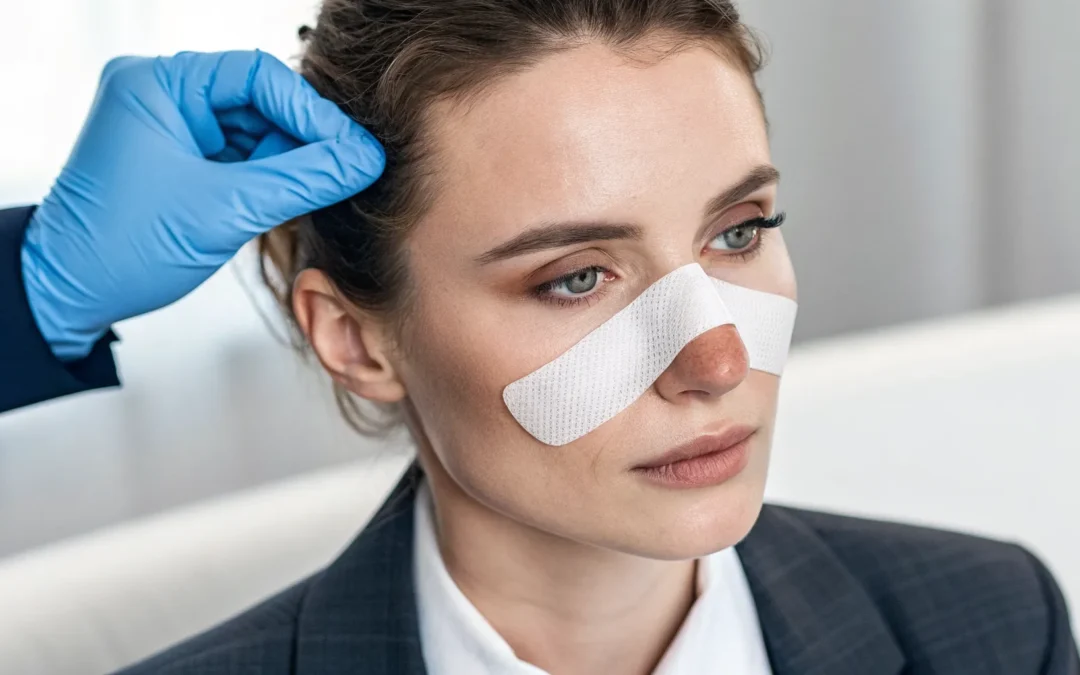
What does “looking normal” after a nose job really mean? When people ask this, they’re usually asking a few things at once. When can I go out without feeling self-conscious? When will the swelling finally disappear? And when will I see my final nose job look? The great news is you’ll likely feel ready to face the world in about two weeks. But the complete healing process, where the last bit of swelling vanishes and your new nose is fully defined, takes time. We’re talking up to a full year. This guide breaks down that timeline honestly, so you know exactly what to expect.
Key Takeaways
- Recovery happens in clear stages: Expect to feel comfortable in public in about two weeks, see most of the swelling resolve within three months, and enjoy your final, settled results after a full year.
- Your aftercare routine makes a difference: You can support a smooth recovery by following your surgeon’s instructions, keeping your head elevated, and protecting your nose from bumps and sun exposure.
- Healing is a personal process: Your unique timeline is shaped by factors like skin thickness, the surgical technique used, and your overall health, so patience is essential as your new nose refines.
Why Consider a Nose Job?
People explore rhinoplasty for a wide range of reasons, and they’re all valid. The decision is deeply personal, often stemming from a desire to feel more confident or to simply breathe easier. Whether your motivation is cosmetic, functional, or a mix of both, understanding the possibilities is the first step. The procedure can address everything from the shape of your nose to underlying structural issues that affect your health. It’s about creating a result that feels right for you, enhancing your natural features while respecting your unique facial anatomy.
For Cosmetic Enhancements
Many people seek rhinoplasty to refine the features they see in the mirror every day. The goal isn’t to look like someone else, but to achieve a sense of balance and harmony in their own face. A skilled surgeon focuses on making subtle adjustments that create a significant, positive impact on your overall appearance. These changes can smooth out insecurities and help you feel more like your true self. It’s a procedure that can change how your nose looks while ensuring it perfectly complements the rest of your features.
Refining the Nasal Bridge and Tip
Common cosmetic concerns often involve the nasal bridge and tip. You might feel that a prominent bump on the bridge of your nose distracts from your eyes, or perhaps you wish the tip of your nose was more defined or less rounded. Rhinoplasty can directly address these specific areas. A surgeon can carefully reshape the cartilage and bone to create a smoother, straighter bridge or a more refined tip that aligns with your aesthetic goals. These targeted changes can dramatically improve your profile and frontal view.
Correcting Asymmetry
Facial symmetry is a key component of what we perceive as beauty, and even minor nasal asymmetry can feel significant. Your nose might appear slightly crooked, lean to one side, or have nostrils that are uneven in size or shape. Rhinoplasty is an effective way to correct these imbalances. By straightening a deviated nose or adjusting the cartilage, a surgeon can create a more centered and symmetrical appearance, bringing your entire face into a more pleasing and harmonious alignment.
For Health and Functional Improvements
Beyond aesthetics, a nose job can offer life-changing health benefits. For many, the primary motivation is not about appearance but about improving their ability to breathe freely and comfortably. Structural problems inside the nose can lead to chronic discomfort and health issues that impact daily life. Correcting these functional problems can be just as transformative as any cosmetic change, improving sleep quality, exercise tolerance, and overall well-being. Often, functional and cosmetic adjustments can be made during the same procedure.
Improving Breathing with Septoplasty
If you constantly feel congested or have difficulty breathing through your nose, you may have a deviated septum. This is a common condition where the thin wall of cartilage separating your nostrils is off-center, obstructing one or both airways. A septoplasty is a procedure specifically designed to straighten the septum and improve airflow. It is frequently combined with rhinoplasty to enhance both the function and the external appearance of the nose in a single surgery, providing comprehensive relief and a balanced result.
Addressing Sinus Issues
Chronic sinus infections and persistent pressure can sometimes be linked to the internal structure of your nose. When nasal passages are blocked or narrowed, it can prevent proper drainage, leading to recurring sinus problems. In some cases, rhinoplasty can be performed alongside other nasal surgeries to open up these passages and resolve underlying issues. By improving the internal architecture of your nose, the procedure can help reduce the frequency and severity of sinus infections, offering a long-term solution to a frustrating problem.
For Corrective and Reconstructive Needs
Sometimes, the need for rhinoplasty arises from circumstances beyond our control. Accidents, injuries, or congenital conditions can alter the nose’s structure and appearance, making reconstructive surgery a necessary step toward recovery. This type of procedure focuses on restoring both form and function, helping individuals regain a sense of normalcy and confidence. The goal is to repair damage and reconstruct the nose to look as natural as possible while ensuring it works properly.
Repairing Injuries or Trauma
A broken nose from a sports injury or an accident can heal improperly, leaving behind both cosmetic and functional problems. You might be left with a crooked bridge, a new bump, or persistent breathing difficulties. Reconstructive rhinoplasty can effectively repair this damage. A surgeon can reset and reshape the nasal bones and cartilage to restore your nose’s previous appearance and clear any new airway obstructions, helping you move forward from the trauma of the injury.
Correcting Congenital Conditions
Some individuals are born with structural irregularities in their nose that can affect both their appearance and their ability to breathe. These congenital conditions can range from minor asymmetries to more complex issues that require surgical correction. Rhinoplasty offers a way to address these concerns, reshaping the nose to create a more conventional appearance and improve its function. This can be a profoundly positive step, particularly for young adults who have lived with these challenges their entire lives.
What is the Goal of Modern Rhinoplasty?
The philosophy behind rhinoplasty has evolved significantly. Today, the focus is less on creating a generic, “perfect” nose and more on crafting a result that is uniquely suited to the individual. The ultimate goal is to produce a nose that looks completely natural and blends seamlessly with your other facial features. An experienced surgeon acts as both a medical expert and an artist, considering your ethnicity, facial structure, and personal goals to achieve a balanced and authentic outcome. The best nose job is one that no one can spot.
Creating a Natural, Balanced Look
The hallmark of a successful rhinoplasty is a result that doesn’t look “done.” The main objective is to create a nose that fits so well with the rest of your face that it appears as though you were born with it. This requires a deep understanding of facial anatomy and a keen aesthetic eye. At our Face & Neck Clinic, our board-certified surgeon leverages extensive European and American training to ensure every procedure enhances the patient’s natural beauty, prioritizing balance and proportion over drastic change. The focus is always on refinement, not reinvention.
Combining Procedures for Total Facial Harmony
Sometimes, achieving the best possible result means looking beyond the nose itself. The relationship between the nose and other facial features, like the chin and cheeks, is critical for overall harmony. For example, a chin that is slightly recessed can make a normal-sized nose appear larger. In these cases, a surgeon might recommend a complementary procedure, such as chin augmentation, to be performed at the same time as the rhinoplasty. This comprehensive approach ensures that the final outcome creates a beautifully balanced and proportionate facial profile.
Planning Your Procedure and Seeing the Possibilities
A successful rhinoplasty begins long before you enter the operating room. It starts with a thorough and collaborative planning process between you and your surgeon. This is your opportunity to discuss your goals, ask questions, and ensure you and your surgeon share the same vision for your results. A crucial part of this phase is setting realistic expectations. Using advanced tools and reviewing past work, you can get a clear idea of what the surgery can achieve for you, ensuring you feel confident and prepared for the journey ahead.
Visualizing Your Results with Professional Digital Imaging
It can be difficult to imagine how changes to your nose will affect your entire face. That’s where professional digital imaging comes in. During your consultation, a surgeon can use advanced computer software to create a simulation of your potential results. This technology allows you to see a “virtual” before-and-after, helping you and your surgeon agree on the surgical plan. It’s an invaluable tool for communication, ensuring your expectations are aligned with what is surgically possible. To see what this technology can do for you, book a consultation to discuss your goals.
Using Before-and-After Galleries for Realistic Expectations
One of the best ways to understand a surgeon’s work is to see it for yourself. Before-and-after photo galleries are an essential resource for prospective patients. They showcase real results on a variety of different faces, giving you insight into a surgeon’s aesthetic style and technical skill. Reviewing these photos helps you set realistic expectations for your own outcome. It allows you to find a surgeon whose work resonates with your personal aesthetic and gives you confidence in their ability to deliver the natural, balanced look you desire.
What Does Rhinoplasty Recovery *Really* Look Like?
One of the biggest questions we hear from patients is, “When will my nose look normal?” It’s a completely valid concern. You’re excited about your new look, but you also want to know what to expect day by day. The truth is, recovery is a gradual process, and your timeline is unique to you. While the most noticeable healing happens in the first few weeks, the final, refined results can take up to a year to fully settle. Understanding the different stages can help you feel confident and prepared as your new nose takes shape. Let’s walk through what you can generally expect at each step of the journey and the factors that influence your personal healing timeline.
How You’ll Look and Feel at Each Stage
The idea of “looking normal” changes as you heal. Most people feel comfortable enough to be seen in public about 10 to 14 days after their procedure. By this point, the splint is off, and any significant bruising or swelling has started to fade. While you’ll still have some puffiness, it won’t be obvious to the casual observer. Around the two-to-three-week mark, you’ll likely feel much more like yourself. By three months, the majority of the swelling is gone, and the new contours of your nose become much more defined. This is when you’ll really start to see the beautiful changes from your rhinoplasty procedure and get a clear idea of your final result.
What Influences Your Healing Time?
Several key things influence how quickly your nose heals. First is the surgical technique itself. A surgeon with extensive European and American experience can perform the procedure with a gentle touch, which often leads to less swelling and a smoother recovery. Your own body also plays a big role. For instance, people with thicker skin may find that swelling takes a bit longer to fully resolve and for the final definition to appear. The complexity of your rhinoplasty matters, too. More intricate work, especially on the nasal tip, can sometimes mean that swelling in that specific area lingers a little longer than on the bridge.
Getting Through the First Week: A Day-by-Day Guide
The first week after your rhinoplasty is when you’ll see the most significant changes day by day. Think of it as the most intensive phase of your healing journey. Your body is working hard to recover, and your main job is to rest and follow your post-op instructions to the letter. While you won’t look like yourself just yet, remember that everything you’re experiencing is a normal and temporary part of the process. This initial period is all about managing swelling, staying comfortable, and protecting your nose as it begins to heal.
You’ll have a splint in place, and you might feel a bit congested, but most people are surprised to find the discomfort is very manageable. It’s a week of patience and self-care that sets the foundation for a smooth recovery and beautiful results. At our Face & Neck Clinic, we make sure you have all the information and support you need to feel confident during this time. You’ll have a clear plan for medication, cleaning, and follow-up appointments. Knowing what to expect can make all the difference, so let’s walk through the key milestones and experiences of these first seven days.
How to Manage Swelling and Bruising
Don’t be surprised if you wake up with puffiness and bruising. Swelling and bruising around your nose and eyes are completely normal after surgery. In fact, you can expect this to peak within the first few days and then start to go down. It might look a little dramatic, but it’s just your body’s natural response to the procedure. To help things along, your surgeon will likely recommend gentle cold compresses and keeping your head elevated. Just remember that this phase is temporary and a sign that your body is actively healing.
The Big Reveal: When Does the Splint Come Off?
For the first week, you will wear a small splint on your nose. This acts like a protective shield, holding everything in its new position and safeguarding it from accidental bumps. Toward the end of the week, you’ll come in for a follow-up appointment where the splint and any external stitches are removed. This is an exciting moment because it’s the first time you’ll get to see your new nose. It will still be quite swollen, so it’s not the final result, but it’s a major milestone in your recovery journey.
Tips for Staying Comfortable and What to Watch For
Most patients find that rhinoplasty recovery is less painful than they expected. Any discomfort is typically well-managed with the medication prescribed by your board-certified surgeon. You might also notice your nose feels dry or stuffy, but you can use a simple salt water nasal spray to keep it moist and comfortable. One of the best things you can do to feel better is to sleep with your head propped up on a few pillows. This simple trick helps reduce swelling, especially in the mornings. Following all of your surgeon’s instructions is the key to a comfortable and successful first week.
How Long Do Swelling and Bruising Last?
Swelling and bruising are a completely normal part of the healing process after a nose job, but everyone wants to know when they’ll start to look like themselves again. While your body’s healing timeline is unique, we can map out a general recovery path. The most dramatic changes happen in the first few weeks, but subtle refinements will continue for up to a year.
Patience is your best friend during this time. It’s helpful to think of your recovery in stages, from feeling ready to face the public to seeing the final, delicate definition of your new nose. Understanding what to expect at each step can make the entire experience feel more manageable and less stressful. Our team at the Face & Neck Clinic will walk you through every phase, but here’s a breakdown of what you can generally anticipate as the swelling and bruising fade.
When Will You Feel Ready to Face the World?
That big question, “When can I go out without feeling self-conscious?” usually has a two-week answer. Most people feel comfortable enough to be seen in public about 10 to 14 days after their procedure. By this point, your splint will be off, and the most obvious bruising and swelling will have gone down significantly. While you might still have some minor discoloration, it’s often easy to cover with a little makeup. This is the milestone many patients look forward to, as it marks a return to running errands and seeing friends without drawing unwanted attention to your recovery.
The Three-Month Milestone: Seeing Major Changes
After the first couple of weeks, you’ll enter a new phase of healing where the changes become more subtle. While you’ll look great to others, you’ll notice your nose continuing to refine. Within the first one to three months, about 70% to 80% of the visible swelling typically subsides. This is when the improved shape and profile of your nose really start to emerge. The initial puffiness gives way to a more defined structure, and you’ll get a much clearer picture of your long-term results. It’s an exciting stage where you can truly begin to appreciate your new look.
Why Final Results Can Take Up to a Year
While the majority of the swelling disappears within a few months, the final 10% to 20% can take much longer to resolve. A complete rhinoplasty recovery guide will always mention that it can take up to a full year for your nose to settle into its final, permanent shape. This last bit of swelling is usually concentrated in the nasal tip, which is the last area to heal. It’s often so subtle that only you and your surgeon will notice it, but this is when the ultimate definition and refinement appear. This final stage requires patience, but it’s well worth the wait.
When Can You Get Back to Your Normal Routine?
One of the biggest questions after rhinoplasty is how soon you can get back to your life. The answer depends on what “normal” looks like for you, whether it’s heading back to the office, hitting the gym, or just feeling like yourself again. Your recovery is a gradual process, but you’ll likely be surprised at how quickly you can resume many of your activities. The key is to be patient and follow your surgeon’s guidance. Here’s a general timeline to help you plan for your work, social, and fitness commitments.
Getting Back to Work and Your Social Life
Most people feel ready to return to work and social activities within about two weeks. You can typically go back to a desk job within 7 to 10 days, though you may still have some minor swelling. By the 10 to 14-day mark, the most noticeable signs of surgery, like heavy swelling and the splint, are usually gone. At this point, many patients feel comfortable enough to be seen in public without feeling self-conscious. A little concealer can help cover any lingering discoloration, allowing you to step back into your routine. Our team at the Face & Neck Clinic is always here to guide you on what to expect.
How to Safely Return to Your Workouts
Getting back to your fitness routine requires a bit more patience. It’s important to avoid strenuous activity in the early weeks to allow your body to heal. You can typically start light exercise, like walking, around week three. However, you should avoid any heavy lifting for at least three to four weeks. For more intense workouts and contact sports, you’ll need to wait longer. It’s crucial to avoid any activities that could result in an impact to your nose for at least six weeks. Always follow your surgeon’s specific guidance, as they will provide a personalized plan based on your healing progress.
What About Glasses and Sun Exposure?
Two small but important details to remember are how to handle glasses and sun exposure. If you wear glasses, you’ll need to avoid resting them on the bridge of your nose for about six weeks to prevent them from affecting the healing bones and cartilage. Taping them to your forehead or using cheek rests are good alternatives. Contact lenses are fine to wear as soon as the day after surgery. You should also be diligent about sun protection. Applying sunscreen daily will help prevent any new scars from darkening and ensure they heal as discreetly as possible.
Why Every Rhinoplasty Recovery is Different
While there’s a general timeline for rhinoplasty recovery, your personal healing journey is unique. Think of it less like a strict schedule and more like a path shaped by a few key factors. Some of these are based on your own body, while others relate to the specifics of your procedure and the choices you make during recovery. Understanding these elements can help you set realistic expectations and feel more in control as you heal.
Your body’s natural healing process, the thickness of your skin, and your overall health all play a significant part. The surgical technique used is another major influence; a surgeon’s gentle and precise approach can make a real difference in your initial swelling and bruising. Finally, how you care for yourself after surgery is crucial. Following your post-op instructions, maintaining a healthy lifestyle, and giving your body the rest it needs will all contribute to a smoother and more predictable recovery. We’ll look at each of these factors more closely.
The Role of Your Skin Type and Healing Ability
Your skin is one of the biggest factors in your healing timeline. If you have thicker, more sebaceous skin, it might take a bit longer for swelling to fully subside and for the refined definition of your new nose to appear. This is completely normal; the skin just needs more time to settle over its new underlying structure. On the other hand, if you have thinner skin, you may see changes appear more quickly. Everyone’s body heals at its own pace, and our team has extensive European and American experience tailoring procedures to suit every individual’s unique anatomy for the best possible outcome.
How Surgical Technique Impacts Your Healing
The way your surgery is performed directly impacts your recovery. A surgeon’s skill and gentle touch can mean less tissue trauma, which often translates to less swelling and a quicker healing period. For example, an open rhinoplasty may involve a bit more initial swelling compared to a closed approach, though both achieve beautiful results. An experienced surgeon knows how to handle the delicate nasal tissues with precision, which is why choosing the right professional is so important. At our Face & Neck Clinic, we focus on techniques that respect your anatomy and support a smooth, comfortable recovery process from day one.
Understanding Different Rhinoplasty Approaches
The specific surgical method used plays a big part in your recovery. A skilled surgeon will always choose the best approach based on your unique anatomy and aesthetic goals. At our Face & Neck Clinic, this is a key part of your consultation. Two techniques you might hear about are preservation rhinoplasty and alar base reduction, each with a different focus. Understanding these can give you a clearer picture of how your surgeon will achieve your desired look while prioritizing a smooth healing process.
Preservation Rhinoplasty
Think of preservation rhinoplasty as a “less is more” philosophy. Instead of removing significant amounts of bone and cartilage, this technique focuses on reshaping and repositioning the nose’s existing framework. The surgeon works from underneath the nasal structure, preserving the crucial ligaments and soft tissues along the bridge. This approach is all about maintaining the natural integrity of your nose, which often results in a very organic, un-operated look. Because it involves less disruption to the nasal tissues, many patients find that this method can lead to less post-operative swelling and a more predictable healing journey. The goal is to achieve beautiful, subtle refinements while respecting your natural anatomy.
Alar Base Reduction
Sometimes, the main concern isn’t the bridge or the tip of the nose, but the width of the nostrils. This is where an alar base reduction, also known as alarplasty, comes in. This specific procedure is designed to narrow nostrils that may appear flared or overly wide. The surgeon carefully removes a small wedge of tissue from the base of the nostrils where they connect to the cheeks. This simple adjustment can make a significant difference in the overall harmony of your face, creating a beautiful balance between your nose and your other features. It can be performed as a standalone procedure or as part of a more comprehensive rhinoplasty to refine the final result.
How Your Health and Lifestyle Play a Part
Your habits and overall health are powerful tools in your recovery. Following all post-operative instructions is the most important thing you can do. This includes attending follow-up appointments, taking medication as prescribed, and avoiding strenuous activity. Simple actions, like using a saline nasal spray to keep your nose moist, can also aid healing. Your general lifestyle matters, too. Eating nutritious foods, staying hydrated, and avoiding smoking will give your body the resources it needs to heal efficiently. If you have any questions about preparing for surgery or what to expect afterward, please contact us so we can give you personalized advice.
When Will You See Your Final Nose Job Look?
One of the most exciting parts of getting a nose job is imagining the final result. While you’ll see changes soon after your procedure, the journey to your final look is a gradual one. Patience is your best friend during recovery, as your nose needs time to heal and settle into its beautiful new shape. Understanding the timeline helps you appreciate the subtle refinements that happen week after week.
What to Expect at the One-Year Mark
Think of the one-year mark as the grand finale for your rhinoplasty results. By this time, your nose has almost completely settled into its permanent shape. The majority of the swelling, especially the stubborn bit at the tip, will have subsided, revealing the delicate and refined work from your surgery. While healing can vary slightly for everyone, most people see their full, final results after 12 months. This is the moment when you can truly appreciate the balanced, natural-looking nose you’ve been waiting for. Our Face & Neck Clinic is dedicated to achieving outcomes that you will love for a lifetime.
How Long Do Rhinoplasty Results Last?
The great news is that the structural changes made during your rhinoplasty are designed to be permanent. Once the healing process is complete and that last bit of swelling has vanished—usually around the one-year mark—the new shape of your nose is yours to keep for life. Of course, your nose will continue to age naturally, just like the rest of your face. Over many years, you might notice subtle changes due to gravity and skin elasticity, but these are part of the normal aging process and not a reversal of your surgical results. This is why choosing a highly skilled surgeon is so important; they create a result that not only looks beautiful now but is also structured to age gracefully with you.
Why It’s Important to Be Patient as Your Nose Settles
While the one-year mark is the destination, the journey there has its own milestones. After the first few weeks, you’ll already notice a significant improvement. By the three-month point, your nose is well on its way to settling, and you’ll see a much more defined shape as the initial swelling fades. It’s important to remember that your nose will continue to improve for many months after that. Our team believes in guiding you through every step, and our surgeon’s extensive European and American experience ensures you receive the best care while your new nose takes its final form.
Debunking Myths About Instant Results
It’s completely normal to want to see your new nose right away, but it’s a myth that the final result is visible the moment the splint comes off. Your nose will look better within a few weeks, but the tip can take three to six months to soften and drop into its permanent position. For some, the last bit of healing can continue for up to 18 months. The best results come from giving your body the time it needs to heal completely. If you have questions about your personal recovery timeline, we encourage you to schedule a consultation to discuss your goals.
Your Action Plan for a Better Recovery
Your role in your rhinoplasty recovery is just as important as the surgery itself. By taking a few simple steps and being mindful of your activities, you can help your body heal beautifully and see your final results sooner. Think of this as your personal guide to making the recovery process as smooth and comfortable as possible. Following these tips will help you feel more in control and confident as your new nose takes shape.
Your Essential Post-Op Care Checklist
The single most important thing you can do is to carefully follow the personalized instructions from your surgeon. Every patient’s healing journey is unique, and your care plan is designed specifically for you. Plan to take it easy and stay home for the first week. While you’ll be able to move around, this is the period when swelling and bruising are most noticeable. Keep your head elevated at all times, even while you sleep. Propping your head up on two or three pillows is a great way to do this and will make a huge difference in managing swelling.
What to Avoid for the Best Results
For the best outcome, there are a few things you’ll need to avoid. First, resist the urge to blow your nose for a few weeks. This can put pressure on the healing tissues and should be avoided. Be very careful to protect your nose from any bumps or impacts. This means being mindful when you’re around active children or pets. You should also stay out of the sun as much as possible, as sun exposure can increase swelling and may cause discoloration around your incisions. If you must be outside, wear a wide-brimmed hat for protection.
Simple Ways to Reduce Swelling and Discomfort
Managing swelling is a key part of a comfortable recovery. You can apply cold compresses or ice packs to your cheeks and around your eyes, but never directly on your nose. Do this for about 15 minutes at a time to help reduce puffiness. As mentioned, sleeping on your back with your head elevated at a 30- to 45-degree angle for the first couple of weeks is crucial. Staying hydrated and eating a healthy, low-salt diet will also help your body flush out excess fluid. These simple actions are some of the best ways to support your healing after a rhinoplasty procedure.
Related Articles
Frequently Asked Questions
Will rhinoplasty recovery be very painful? Most people are surprised to find that recovery is much more comfortable than they imagined. You can expect to feel congested and a bit sore, but any actual discomfort is typically mild and easily managed with the medication your surgeon prescribes. The main focus during the first week is resting and letting your body heal, not dealing with significant pain.
Why is my nose tip still swollen when the rest of my nose looks fine? This is a completely normal and expected part of the healing process. The skin on the tip of your nose is thicker than the skin on the bridge, so it holds onto swelling for the longest. While the majority of the puffiness across your nose will fade within a few months, the final refinement of the tip can take up to a year to appear. Patience is key as this last bit of swelling subsides to reveal your final, beautiful result.
When can I wear my glasses or sunglasses again? You should plan to avoid resting glasses of any kind directly on the bridge of your nose for about six weeks after your surgery. The pressure can affect the healing of the nasal bones and cartilage. In the meantime, you can wear contact lenses as soon as you feel up to it, or you can try taping your glasses to your forehead to keep them off your nose.
What happens at my first follow-up appointment? Your first big post-op appointment is an exciting milestone. This is typically when your surgeon will remove the protective splint from your nose, along with any external stitches. It will be your first look at your new nose, which is a major moment. Just remember that your nose will still be quite swollen at this stage, so what you see is a preview of the final result, not the finished product.
Is there anything I can do to make the swelling go down faster? Absolutely. The two most effective things you can do are to keep your head elevated and watch your salt intake. Sleeping propped up on a few pillows for the first couple of weeks makes a huge difference in reducing morning puffiness. Additionally, staying hydrated and eating a healthy, low-sodium diet will help your body reduce fluid retention and support a smoother healing process.
Recent Comments