
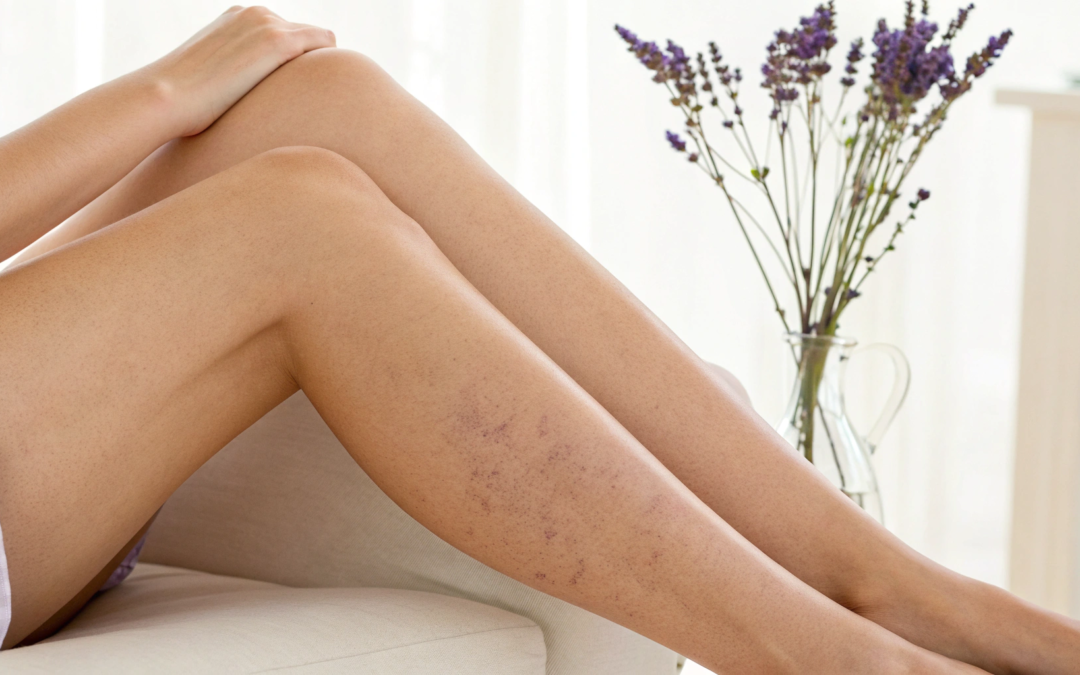
Seeing a bruise after your spider vein treatment can be alarming, but it’s actually a great sign. It means the laser did its job effectively. That discoloration is visual proof that your body has started its natural healing process, working to absorb the treated veins so they fade from view. So, that bruise on your spider vein isn’t a cause for concern—it’s a confirmation that everything is working as it should. We’ll explain exactly what’s happening, what’s considered normal, and when you should reach out to your doctor.
Key Takeaways
- Bruising Is a Normal Part of Healing: Seeing a bruise after your laser treatment is a positive sign that the procedure was effective and your body has begun the natural process of clearing the treated veins.
- Expect a Predictable Healing Timeline: Most bruising resolves within two to three weeks, changing colors from dark purple to lighter green and yellow as it fades—a clear indicator that you are healing properly.
- Your Aftercare Habits Matter: You can directly support a smoother recovery by following simple instructions, like wearing compression stockings, avoiding strenuous exercise, and discussing all medications with your doctor beforehand.
Understanding Why Spider Veins and Bruises Appear
If you’ve ever noticed a mysterious bruise on your leg and couldn’t recall bumping into anything, you’re not alone. Sometimes, those discolored spots aren’t from an injury at all but are directly related to your veins. This happens when the tiny, delicate blood vessels near the skin’s surface, known as spider veins, become weak. When these vessels are compromised, even minor pressure or irritation can cause them to leak a small amount of blood. This leaked blood pools just under the skin, creating what looks exactly like a bruise. It’s a subtle sign that your veins might be under stress and could point to an underlying issue with circulation that’s worth paying attention to.
Can Veins Cause Bruising Without Any Treatment?
Yes, it’s entirely possible for veins to cause bruising without any injury or medical procedure. A bruise from a spider vein occurs when these tiny, damaged blood vessels leak blood under the skin. This can happen from something as simple as crossing your legs, a minor bump you barely noticed, or even just the daily pressure of standing. Think of it as a signal from your body that the walls of these small veins are fragile. This fragility is often a symptom of venous insufficiency, a condition where blood doesn’t flow back to the heart as efficiently as it should. So, while the bruise itself is harmless, its spontaneous appearance is a clue about the health of your circulatory system.
The Difference Between a Vein Bruise and an Injury Bruise
At first glance, a bruise is a bruise. But there are a few tell-tale signs that can help you distinguish a bruise caused by a weak vein from one caused by an injury. A bruise from a varicose or spider vein often appears without a clear cause. You won’t remember hitting your leg on the coffee table, for instance. These bruises might also look darker, last longer than a typical injury, or keep reappearing in the same general area. This recurrence happens because the underlying veins in that spot are already weakened and under pressure, making them more susceptible to leaking. An injury bruise, on the other hand, usually follows a specific impact and fades away completely as the tissue heals.
The Connection to Underlying Vein Disease
Those unexplained bruises and visible spider veins are often more than just a cosmetic concern; they can be outward signs of an underlying condition known as vein disease. When the vascular system isn’t working optimally, pressure builds up in the veins, leading to the symptoms you see on the surface. Understanding this connection is the first step toward addressing the root cause instead of just the symptom. It’s about looking deeper to ensure your circulatory system is getting the support it needs to function properly, which can prevent more significant issues from developing over time.
Chronic Venous Insufficiency (CVI) Explained
Chronic Venous Insufficiency, or CVI, is a common culprit behind varicose veins and spontaneous bruising. This condition occurs when the tiny valves inside your leg veins, which are responsible for pushing blood upward toward the heart, become damaged or weakened. When these valves don’t close properly, gravity causes blood to flow backward and pool in the lower legs. This buildup of pressure weakens the vein walls, leading to varicose veins and symptoms like bruising, swelling, aching, and changes in skin texture. CVI is a progressive condition, so recognizing the signs early is key to managing it effectively.
Venous Stasis Dermatitis vs. Bruising
As venous insufficiency progresses, it can lead to a condition called venous stasis dermatitis, which is sometimes mistaken for simple bruising. This condition happens when poor circulation causes fluid and blood cells to leak out of the veins and into the skin. It typically appears on the lower legs and ankles, causing discoloration (often reddish-brown), itching, scaling, and even sores. While it can look like a persistent bruise, venous stasis dermatitis is actually a form of eczema triggered by circulatory problems. It’s a clear sign that the underlying vein disease needs professional attention to prevent further skin damage and complications.
Associated Symptoms and Potential Health Risks
While bruising might be the most noticeable symptom, it rarely appears in isolation. It’s usually accompanied by a cluster of other sensations that signal something is amiss with your vein health. These symptoms can range from mildly annoying to genuinely disruptive, affecting your daily comfort and activity levels. Paying attention to this full spectrum of signs is important because it gives you a more complete picture of what’s happening. Ignoring them can allow the underlying condition to worsen, potentially leading to more serious health risks that are far more difficult to manage than the initial symptoms.
Common Symptoms Beyond Bruising
If you’re experiencing vein-related bruising, you might also notice other symptoms that point to venous insufficiency. Many people report a feeling of heaviness or fatigue in their legs, especially at the end of the day or after long periods of standing. Itching or a burning sensation over the affected veins is also common, along with swelling in the ankles and calves that tends to worsen as the day goes on. Some experience aching pain, throbbing, or muscle cramps, particularly at night. These symptoms are all classic indicators that your veins are struggling to circulate blood effectively against gravity.
Serious Risks of Untreated Vein Conditions
Leaving vein disease untreated allows it to progress, which can lead to more serious health complications over time. The constant pressure and inflammation can result in skin that becomes thin, discolored, and prone to breaking down, forming slow-healing wounds known as venous ulcers. Another significant risk is the development of blood clots. A clot in a superficial vein (superficial thrombophlebitis) can be painful, while a clot in a deeper vein (deep vein thrombosis, or DVT) is a serious medical emergency, as it can travel to the lungs and cause a pulmonary embolism. Frequent bruising can be an early warning that your vein health is declining.
How Common is Vein Disease?
If you’re dealing with varicose or spider veins, you are far from alone. Vein disease is incredibly common, affecting a significant portion of the population. Studies show that varicose veins impact about 10% to 30% of all adults. The prevalence tends to increase with age, and women are generally more susceptible than men, largely due to hormonal fluctuations associated with puberty, pregnancy, and menopause. Given how widespread it is, understanding the risk factors and seeking a proper diagnosis is a proactive step anyone can take to maintain their long-term health and well-being.
Risk Factors, Prevention, and Diagnosis
While some factors that contribute to vein disease are beyond our control, many others are tied to lifestyle choices, giving you a degree of influence over your vascular health. Understanding who is most at risk is the first step toward prevention. From there, simple, proactive habits can make a significant difference in supporting healthy circulation and minimizing your chances of developing issues. And if problems do arise, knowing how they are professionally diagnosed can demystify the process and empower you to seek the right care without hesitation. This knowledge puts you in the driver’s seat of your own health journey.
Who is Most at Risk for Developing Vein Issues?
Certain factors can make you more likely to develop spider veins, varicose veins, and other signs of venous insufficiency. While you can’t change your genetics or stop the aging process, being aware of your personal risk profile helps you focus on the preventative measures that are within your control. Recognizing these risk factors allows you to have more informed conversations with your doctor and make lifestyle adjustments that can protect your veins for years to come, potentially delaying or even preventing the onset of symptoms.
Key Risk Factors: Age, Genetics, and Lifestyle
Several key factors play a significant role in the development of vein disease. Age is a primary one, as the valves in our veins naturally wear down over time. Genetics also has a strong influence; if your parents had varicose veins, your odds of developing them are much higher. Lifestyle choices are equally important. A sedentary lifestyle that involves long periods of sitting or standing can hinder proper blood flow. Additionally, being overweight or obese places extra pressure on the veins in your legs, increasing the risk of damage. These factors often work in combination, compounding the risk.
How Pregnancy Affects Vein Health
Pregnancy is a major life event that can significantly impact vein health. During pregnancy, a woman’s total blood volume increases dramatically to support the growing baby, which places additional strain on the entire circulatory system. At the same time, elevated levels of the hormone progesterone cause the walls of blood vessels to relax and stretch. This combination, along with the physical pressure the expanding uterus puts on the pelvic veins, can impede blood flow from the legs and contribute to the formation of both spider and varicose veins. For many women, these veins improve after delivery, but for some, they can persist.
Lifestyle Tips for Vein Health and Prevention
The good news is that you can take simple, proactive steps to support your vein health and reduce your risk of developing problems. Regular exercise, particularly activities like walking, swimming, and cycling, is one of the best things you can do to promote healthy circulation. Maintaining a healthy weight also alleviates excess pressure on your leg veins. If you have a job that requires prolonged sitting or standing, make an effort to move around every 30 minutes and consider wearing compression stockings. These garments provide gentle pressure to help your veins and leg muscles move blood more efficiently.
How Vein Problems Are Professionally Diagnosed
If you’re experiencing symptoms like bruising, swelling, or aching legs, the best course of action is to get a professional diagnosis. Self-diagnosing can be misleading, as many symptoms overlap with other conditions. A vein specialist has the expertise and diagnostic tools to accurately identify the root cause of your issues. At our Total Veins Treatments Clinic, we focus on providing a clear and comprehensive evaluation, ensuring you understand exactly what’s happening with your circulatory health and what your options are for feeling better.
What to Expect During a Consultation
During your initial consultation, a vein specialist will start by discussing your symptoms, medical history, and any family history of vein disease. This will be followed by a physical examination of your legs to look for visible signs like spider veins, varicose veins, swelling, or skin changes. The doctor will check for tenderness, warmth, and other indicators of circulatory issues. This thorough initial assessment helps build a complete picture of your vein health and determines if further diagnostic testing, such as an ultrasound, is needed to confirm the diagnosis and plan the most effective treatment.
The Role of Ultrasound in Diagnosis
A duplex ultrasound is the gold standard for diagnosing vein disease. This non-invasive, painless test uses sound waves to create a detailed map of your veins and visualize blood flow in real-time. It allows the specialist to see if the valves in your veins are closing properly and to identify any blockages or backward blood flow (venous reflux). An ultrasound provides crucial information that isn’t visible on the surface, confirming the presence and severity of venous insufficiency. This precise diagnostic tool is essential for developing a personalized and effective treatment plan tailored to your specific condition.
Exploring Modern Treatment Options for Vein Disease
Once you have an accurate diagnosis, you can explore the range of modern, effective treatments available to address vein disease. Gone are the days of invasive surgeries with long, painful recoveries. Today’s options are overwhelmingly minimally invasive, performed in an office setting, and designed to get you back on your feet quickly. The goal of treatment is not only to improve the cosmetic appearance of your legs but, more importantly, to alleviate uncomfortable symptoms and prevent the progression of the underlying disease. A specialist can help you decide which approach is best suited for your unique situation and health goals.
Conservative Management and Care
For many individuals with mild symptoms, the first line of defense is conservative management. This approach focuses on lifestyle modifications and non-invasive measures to manage symptoms and prevent the condition from worsening. The cornerstone of conservative care is often the use of medical-grade compression stockings, which apply gentle pressure to the legs to support circulation. This is typically combined with a regular exercise regimen, maintaining a healthy weight, and elevating your legs whenever possible to help reduce swelling and relieve pressure on the veins. These simple habits can provide significant relief and are a crucial part of any long-term vein health plan.
Sclerotherapy
Sclerotherapy is a highly effective, minimally invasive treatment that is considered the gold standard for eliminating spider veins and smaller varicose veins. The procedure involves injecting a special solution, called a sclerosant, directly into the targeted vein. This solution irritates the lining of the vein, causing it to collapse and seal shut. Over the following weeks, the treated vein is naturally absorbed by the body and fades from view. Sclerotherapy is performed right in the office, requires no anesthesia, and typically takes less than an hour, allowing you to return to your normal activities almost immediately with minimal restrictions.
Radiofrequency Ablation
For larger, more problematic varicose veins, radiofrequency ablation (RFA) is a state-of-the-art, minimally invasive procedure that offers excellent results. During RFA, a specialist inserts a very thin catheter into the diseased vein through a tiny incision. Guided by ultrasound, the catheter delivers controlled radiofrequency energy to the vein wall, gently heating it and causing it to collapse and close. The blood is then naturally rerouted to healthier veins. RFA is performed with local anesthesia, causes minimal discomfort, and allows for a quick recovery. It effectively treats the underlying cause of varicose veins, providing lasting relief from symptoms like pain, swelling, and aching.
Bruising After Spider Vein Treatment: What’s Normal?
Deciding to treat your spider veins is a big step toward feeling more confident in your skin. Once the laser treatment is complete, your focus shifts to recovery. Knowing what to expect can make the healing process feel much more manageable and less stressful. Your body has a natural way of healing, and understanding the signs—like bruising and swelling—is key to a smooth recovery. At our Total Veins Treatments Clinic, we make sure you have all the information you need to feel comfortable and cared for every step of the way. Let’s walk through what your post-treatment journey will look like.
What Does the Healing Process Look Like?
Right after your laser session, it’s common to see some changes in the treated area. You can expect some redness, mild swelling, or a sensation similar to a sunburn. The treated veins will often look darker or more prominent at first—this is a positive sign that the treatment is working. Over the next few weeks, your body will naturally absorb and clear away these targeted veins, causing them to fade from view. Every person’s healing timeline is slightly different, but these initial responses are a standard part of the process as your skin begins to repair itself and reveal clearer results.
Why You Can Expect Some Bruising
Seeing bruises appear after your treatment can be surprising, but it’s a completely normal and expected part of healing. Laser treatment works by sending a burst of light into the vein, which causes it to collapse and seal shut. This process can affect the tiny blood vessels near the surface of your skin, allowing a small amount of blood to leak into the surrounding tissue, which is what creates a bruise. Think of it as your body’s cleanup crew at work. This response is a sign that your body has started the natural process of absorbing the treated vein.
Spider Vein Bruising: Fact vs. Fiction
One of the biggest myths about spider vein treatment is that bruising is a sign of a problem. In reality, it’s just the opposite. Bruising is a typical part of the body’s inflammatory and healing response. It shows that the treatment was effective and your body is now doing its job to clear the collapsed vein. While some people may experience minimal bruising, others might see more significant discoloration, and both outcomes are perfectly normal. Following the aftercare instructions provided by our experienced team is the best way to support your body’s healing and achieve the best possible results.
How Long Will My Spider Vein Bruises Last?
Seeing a bruise after any procedure can be a little startling, but when it comes to laser vein treatment, it’s a completely normal part of the healing process. Think of it as a sign that your body is getting to work repairing the treated area. The laser energy precisely targets and closes off the unwanted vein, and your body responds by initiating its natural healing cascade. This involves sending blood and immune cells to the site, which can result in some temporary discoloration under the skin. While it might look dramatic at first, it’s a temporary and expected stage on your way to clearer, smoother skin.
The good news is that this phase doesn’t last forever. Most people find that the bruising fades significantly within a few weeks, revealing the positive results of the treatment underneath. It’s helpful to go into your recovery with a clear picture of what to expect. Understanding the typical timeline and the factors that can affect your personal healing journey will help you feel confident and in control as you recover. We want you to feel prepared and supported every step of the way, knowing that what you’re seeing is a sign of progress.
A Realistic Timeline for Fading Bruises
Let’s talk timelines. For most people, bruising after a laser vein treatment will resolve within two to three weeks. In the first few days, you’ll likely see the most prominent discoloration, which might look dark blue or purple. As your body starts to break down and absorb the blood, you’ll notice the colors begin to change, shifting to shades of green and yellow before fading away completely. It’s a natural progression that shows your body is healing just as it should. Remember, this is an average timeframe, and your personal experience might be a little shorter or longer.
What Speeds Up (or Slows Down) Healing?
Ever wonder why you might bruise more easily than a friend? Several factors play a role in how your body responds to treatment. Your skin type is a big one; fairer skin often shows bruising more visibly. The specifics of your procedure, like the number and size of the veins treated at our Total Veins Treatments Clinic, also matter. Additionally, certain medications and supplements, such as blood thinners or even fish oil, can increase the likelihood of bruising. It’s important to discuss everything you’re taking with your doctor beforehand so we can create the best plan for you.
Why Your Healing Timeline is Your Own
No two healing journeys are exactly alike. Your overall health, lifestyle, and how closely you follow your post-treatment care instructions all contribute to your recovery timeline. It’s normal for the treated veins to look a bit darker or more noticeable right after the procedure before they begin to fade. Your body is working to clear away those closed-off veins, and this process is unique to you. Trusting in our expertise and your body’s ability to heal is key. Patience is your best friend during this phase—soon enough, you’ll see the beautiful results you’ve been waiting for.
Why Are Some Bruises Worse Than Others?
Ever wonder why one person bruises like a peach after a minor bump while another seems almost immune? The same principle applies to post-treatment bruising. It’s not a one-size-fits-all reaction. The extent of your bruising depends on a unique mix of your personal biology, the specifics of your treatment, and even the medications you take. Understanding these factors can help you set realistic expectations for your recovery and feel more in control of the healing process. It’s all about knowing what’s at play so you can prepare accordingly and give your body the best support as it heals.
How Your Health and Lifestyle Play a Role
Your body is unique, and so is its healing process. Several personal factors can influence how much you bruise after a laser treatment. For instance, your skin type plays a role; fairer skin often shows bruising more vividly. Age can also be a factor, as skin and blood vessels may become more fragile over time. Your overall health and lifestyle habits contribute to your body’s ability to repair itself efficiently. At our center, we take a holistic view of your health, recognizing that the best outcomes come from understanding you as an individual, not just the treatment area.
How the Procedure Itself Affects Bruising
The specifics of your spider vein treatment also have a direct impact on bruising. Bruising happens when tiny blood vessels near the skin’s surface are disrupted, causing blood to leak into the surrounding tissue. The number of veins treated and the technique used can affect the extent of this disruption. A more extensive treatment may result in more noticeable bruising. Our specialists at the Total Veins Treatments Clinic are meticulous in their approach, using advanced techniques designed to be as gentle and effective as possible to minimize tissue trauma and support a smoother recovery.
Meds and Supplements That Can Increase Bruising
What you put into your body matters, especially before a cosmetic procedure. Certain medications and supplements can thin your blood, making you more prone to bruising. This includes prescription blood thinners, over-the-counter pain relievers like aspirin, and supplements such as fish oil and vitamin E. It’s incredibly important to provide your surgeon with a complete list of everything you take. This allows us to give you personalized advice on what to pause before your treatment, ensuring your safety and helping you achieve the best possible results with minimal downtime.
What Do the Colors of Your Bruise Mean?
Watching a bruise change color can be a little strange, but it’s actually a fascinating sign that your body is healing exactly as it should. Think of it as a visual progress report. Each new shade that appears tells a story about the recovery happening just beneath your skin. Understanding this natural process can help you feel more confident and at ease as you heal from your spider vein treatment. It’s your body’s way of cleaning up and getting you back to feeling your best.
The First 48 Hours: What to Expect
Right after your procedure, don’t be surprised to see some redness and swelling around the treatment area. This is completely normal. The treated veins will likely look darker at first, almost like a pen mark under the skin. This initial reddish or purplish hue is the first step in the healing process. Your body is just beginning to break down and absorb the blood from the treated veins. It’s the start of a natural clearing-out process that will eventually reveal clearer, smoother skin.
How Your Bruise Will Change Color Over Time
Your bruise will go through a predictable color transformation over the next couple of weeks. While everyone heals differently, you can generally expect to see this progression:
- Days 1–3: The area will look red or purplish.
- Days 4–7: It will deepen to a blue or even blackish color. You might still have some mild aching during this phase.
- Weeks 2–3: The bruise will start to fade, turning greenish or yellowish as your body continues to reabsorb the blood.
This timeline is a standard part of recovery at our Total Veins Treatments Clinic and a great indicator that you’re on the right track.
What Each Color Says About Your Progress
Each color in your bruise’s lifecycle tells you something specific about what your body is doing. The initial dark purple or blue is simply blood that has pooled under the skin. As your body gets to work, it breaks down the hemoglobin (the substance that makes blood red), causing the color to change. As a bruise heals, its color will shift from purple to yellow and green before disappearing completely. This is a normal sign of healing and shows that your body is efficiently clearing everything out. It’s a beautiful, natural process that our team is here to guide you through.
Simple Ways to Reduce Bruising and Heal Faster
While bruising is a completely normal part of the healing process, I know you’re eager to see your final results. The good news is that you have a lot of control over your recovery. By taking a few proactive steps before and after your treatment, you can help minimize bruising and support your body’s natural healing timeline. Think of it as a partnership between you and your body—giving it the right conditions to repair itself efficiently.
It all comes down to a simple, straightforward plan. It’s not about complicated routines, but rather about being mindful of a few key dos and don’ts. From preparing your body ahead of time to knowing exactly what to do in the hours and days after your procedure, these small actions can make a big difference in how quickly you heal and get you back to feeling your best.
Your Pre-Treatment Checklist for Less Bruising
A smooth recovery starts before you even arrive for your appointment. During your consultation, it’s important to discuss your full medical history, including any medications or supplements you take. Things like aspirin, certain anti-inflammatory drugs, fish oil, and even vitamin E can thin the blood and increase the likelihood of bruising. Your doctor can advise you on what to pause before your treatment. Being open and honest helps us create the safest and most effective plan for you. If you have any questions about your medications, please don’t hesitate to contact us ahead of time so we can clear up any concerns.
Right After Your Appointment: Your Care Checklist
Right after your procedure, your focus should be on rest and following instructions. How well and fast you heal truly depends on following your doctor’s orders. You will likely be advised to wear compression stockings; this is one of the most important steps. These specialized garments apply gentle pressure to your legs, which helps support blood flow, reduce swelling, and minimize bruising. It’s normal to see some redness and for the treated veins to look a bit darker at first. This is a sign that the treatment is working, and they will fade as your body heals. Our team at the Total Veins Treatments Clinic will give you a detailed care sheet to take home with you.
The “Don’t” List for a Smooth Recovery
Knowing what not to do is just as important as knowing what to do. For the first week or so, it’s best to avoid strenuous exercise. High-impact activities like running or heavy lifting can increase blood pressure and risk of bruising. Doing too much too soon can interfere with the healing process. You should also steer clear of hot tubs, saunas, and long, hot baths, as heat can dilate blood vessels and make bruising more pronounced. Instead, opt for gentle walks to encourage healthy circulation and remember to elevate your legs whenever you’re resting to help reduce swelling. This simple step uses gravity to your advantage, making a noticeable difference.
When to Call Your Doctor About Bruising
Knowing what to expect during your recovery can help you feel confident and at ease. While some bruising is a standard part of the healing process, it’s also important to recognize the signs that might require a professional opinion. Your well-being is our priority, and we want you to feel supported every step of the way.
How to Tell Normal Healing from a Sign of Concern
It’s completely normal to see some bruising after your spider vein laser treatment. Think of it as your body’s way of tidying up the treated area. This bruising usually fades within two to three weeks. You’ll notice it change colors along the way—starting as reddish-purple, then shifting to a darker blue or black, and finally fading to a greenish-yellow as your body finishes healing. This color-changing journey is a great sign that everything is progressing as it should. While everyone’s recovery timeline is a bit different, understanding this process can give you peace of mind as you heal from your vein treatments.
Warning Signs That Require a Doctor’s Call
While typical bruising is no cause for alarm, it’s important to know which signs point to a potential complication. Your safety and comfort are the top priorities, so please contact your doctor right away if you experience anything unusual. Be on the lookout for these specific red flags:
- Severe pain or discomfort that gets worse instead of better
- Large, hard lumps forming under the skin that don’t seem to be going away
- Bruising that spreads quickly beyond the original treatment area
- Any signs of infection, such as warmth, redness, pus, a foul odor, fever, or chills
Trust your instincts. If something feels off during your recovery, it’s always best to get it checked out.
How We Support You Through Your Recovery
Choosing to move forward with a cosmetic treatment is a big decision, and your recovery is just as important as the procedure itself. We believe in supporting you every step of the way, from your first consultation to your final follow-up. Our team is committed to ensuring your healing process is as smooth, comfortable, and predictable as possible. We provide clear, personalized instructions and are always here to answer your questions. Your safety and beautiful results are our top priorities, and that includes providing exceptional post-treatment care to help you heal confidently.
Our Approach to Your Aftercare and Follow-Up
After your laser treatment, it’s completely normal to see some redness, swelling, or bruising in the treated area. You’ll also notice that the treated veins look darker at first; this is a sign the treatment is working, and they will gradually fade as your body’s natural healing process takes over. You might feel some soreness, which can typically be managed with over-the-counter pain relievers like acetaminophen. We’ll give you specific guidance, but a good rule of thumb is to encourage gentle movement. Taking short walks is great for circulation, but you’ll want to avoid strenuous exercise or heavy lifting for a little while. Our team will closely monitor your progress to ensure you’re healing just as expected.
Why Patients Trust the Total Veins Treatments Clinic
At our Total Veins Treatments Clinic, we want you to feel fully informed about what to expect. Bruising is a normal and anticipated part of your body’s healing response after vein surgery. While it might look a bit dramatic at first, most of this discoloration resolves within two to three weeks. The speed and success of your recovery truly depend on carefully following the post-surgery instructions we provide. We tailor these guidelines specifically for you to ensure the best possible outcome. Our experienced team combines European and American expertise to not only deliver effective treatments but also to guide you through a safe and efficient recovery period, helping you get back to feeling your best.
Related Articles
- Spider Veins Removal | Advanced Cosmetic & Aesthetic Surgery Center
- 5 Best Lasers for Face Wrinkles: A Pro’s Guide
Frequently Asked Questions
Why do my treated veins look darker and more noticeable after the laser treatment? Seeing the treated veins appear darker right after your procedure is actually a positive sign that the treatment was successful. The laser energy closes the vein, and what you’re seeing is that sealed vein just beneath the skin’s surface. This is a temporary phase. Over the next few weeks, your body will naturally break down and absorb this tissue, causing the vein to fade from view completely.
Is there anything I can do to reduce the amount of bruising? Yes, a smooth recovery really begins before your appointment. The most important step is to have an open conversation with your doctor about any medications or supplements you take. Common items like aspirin, fish oil, and vitamin E can thin your blood and make you more prone to bruising. Your doctor can give you personalized advice on what to pause before your treatment to help minimize discoloration and support a better healing process.
How long should I wear compression stockings? Your doctor will give you a specific timeline tailored to your treatment, but typically, patients are advised to wear compression stockings for one to two weeks. Following this instruction is one of the most effective things you can do for your recovery. The gentle pressure helps reduce swelling, supports healthy blood flow, and can significantly minimize the extent of bruising, helping you heal more comfortably and efficiently.
When can I get back to my normal exercise routine? It’s best to ease back into your fitness routine. We generally recommend sticking to light activities, like walking, for the first week to encourage good circulation without putting stress on the treated areas. You should avoid high-impact exercises like running or heavy lifting for a short period, as this can increase blood pressure and interfere with healing. We will provide you with a clear timeline for safely returning to all your favorite activities.
My bruise is changing colors. Is that normal? Absolutely. Watching a bruise change from a deep purple or blue to shades of green and yellow is a visual confirmation that your body is healing perfectly. Each color represents a different stage of your body breaking down and clearing away the bruise. Think of it as a progress report for the great work happening beneath your skin. It’s a completely normal and expected part of the journey to clearer skin.
Recent Comments