
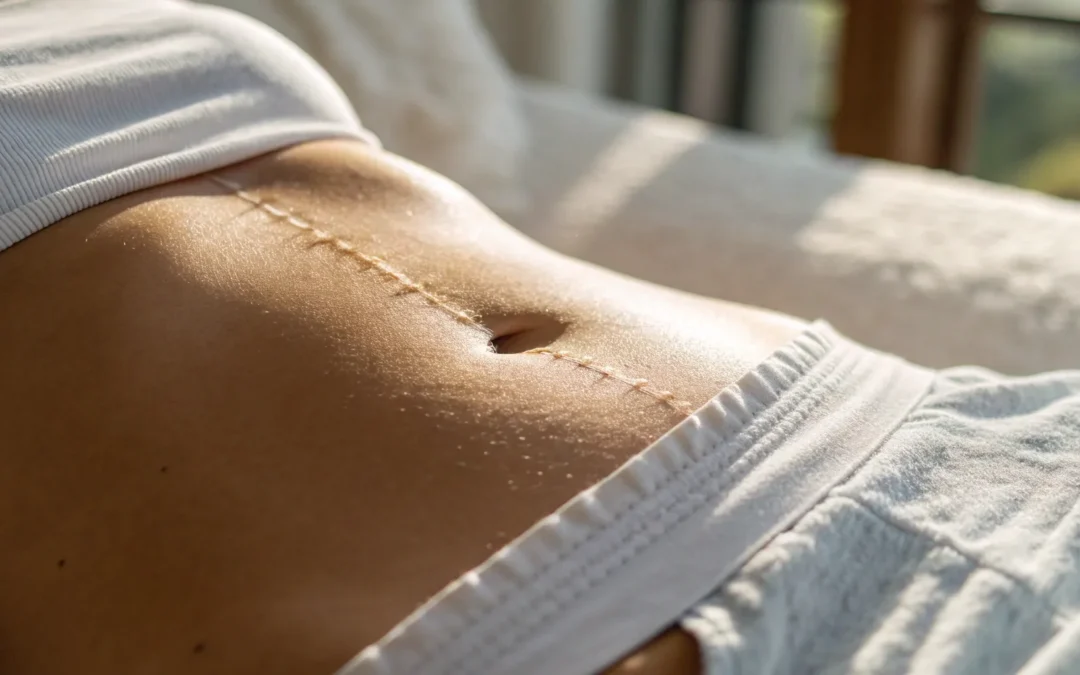
A scar isn’t just healed skin—it can be a source of real discomfort. Whether it’s raised, sunken, or wide, a prominent scar can make you feel self-conscious. Some scars can even feel tight, pulling on your skin and restricting movement. If you’re tired of a scar affecting your confidence or physical comfort, you have options. Surgical scar revision is a procedure designed to permanently improve a scar’s appearance. A surgeon removes the old scar tissue and carefully rejoins the skin, creating a finer, flatter, and far less noticeable line. It’s about restoring comfort and helping you feel great in your skin again.
Key Takeaways
- Focus on Improvement, Not Perfection: Scar revision surgery is designed to make a scar less noticeable by improving its texture, size, or shape. The aim is to create a new scar that blends in better with your skin, not to make it disappear completely.
- The Right Technique Matters: Different types of scars, from raised keloids to sunken atrophic scars, require specific surgical approaches. A consultation with a board-certified surgeon is the best way to determine the most effective technique for your unique situation.
- Your Recovery Is Part of the Process: Achieving the best result goes beyond the operating room. Following your aftercare instructions, protecting the incision from tension, and giving the new scar a full year to mature are essential steps for a successful outcome.
Surgical Scar Revision: What Is It and How Can It Help?
If you have a scar that makes you feel self-conscious or causes discomfort, you’ve likely wondered if anything can be done about it. Surgical scar revision is a procedure designed to make a scar less noticeable and blend it in more naturally with your surrounding skin. The goal is to improve the scar’s appearance, and in some cases, restore function to an area of the body that may have been limited by the scar tissue. This procedure is a way to take control of the healing process and get a result you feel more comfortable with.
The process involves a surgeon carefully removing the old scar tissue and rejoining the skin. Our board-certified surgeons use specialized techniques to reposition the scar or alter its shape, helping it heal in a much more discreet way. Think of it as giving your skin a second chance to heal under ideal, controlled conditions. While no procedure can make a scar disappear completely, revision surgery can create a significant improvement that helps restore your confidence. It’s a highly personalized procedure tailored to the type, size, and location of your scar, ensuring the approach is right for you.
First, Why Do We Get Scars?
Scars are a completely natural part of your body’s healing process. Whenever your skin is injured—whether from an accident, a burn, or a previous surgery—your body creates collagen fibers to mend the damage. The result is a scar, and its final appearance can be unpredictable. Factors like the size and depth of the wound, your age, genetics, and even your skin tone can influence how a scar looks once it’s fully healed. People choose to pursue scar revision for many reasons. For some, a scar can be a constant and unwanted reminder of a traumatic event. For others, it might be in a prominent place that affects their self-esteem. Scars can also cause physical issues, like tightness, itching, or pain.
How Common Are Scars?
If you feel like you’re the only one bothered by a scar, you’re far from alone. Scars are an incredibly common part of life, and so is the desire to improve their appearance. In fact, research shows that each year, about 100 million people in developed countries acquire a new scar. Of those, more than half—around 55 million—eventually seek out a surgical procedure to make their scars less noticeable. This tells us that taking action to feel better about a scar is a very normal and widespread choice. Whether it’s from a childhood fall, a kitchen accident, or a necessary surgery, nearly everyone has a scar, and wanting to change its story is a step many people take.
The Psychological Benefits of Scar Revision
The impact of a prominent scar often runs deeper than the skin. It can be a daily reminder of a painful memory or simply a feature that makes you feel self-conscious. This is why the decision to pursue scar revision is so personal and powerful. Improving a scar’s appearance can have a profound psychological benefit, helping you regain confidence and feel more at ease with how you look. When a scar is less visible, it can free you from the mental energy you might spend trying to conceal it, allowing you to focus on other things. The goal is to help you feel that your appearance reflects who you are on the inside, leading to a more positive self-image and greater self-esteem in your personal and professional life.
What Can Surgery Actually Do for a Scar?
The main objective of scar revision surgery is to trade an old, noticeable scar for a new one that is much harder to see. A surgeon achieves this by removing the existing scar tissue and meticulously closing the incision with advanced suturing techniques. This careful approach is designed to support a cleaner, more controlled healing process, resulting in a thinner, flatter, and smoother final scar. It’s important to have realistic expectations. Scar revision surgery is about improvement, not complete erasure. The procedure won’t make the scar vanish, but it can dramatically reduce its visibility. The final outcome depends on the type of scar you have, its location, and how your body heals. The best way to understand what’s possible for your specific situation is to schedule a consultation to discuss your goals with an experienced surgeon.
Which Scars Respond Best to Surgery?
Scars are as unique as the stories behind them, and not all of them respond to treatment in the same way. While some scars fade into faint lines over time, others can remain prominent, causing physical discomfort or self-consciousness. The good news is that surgical scar revision can address several different types of scars, each requiring a specific approach to achieve a smoother, less noticeable appearance.
Understanding the type of scar you have is the first step toward finding the right solution. Whether your scar is raised, sunken, tight, or has spread beyond its original boundary, there are advanced techniques available. A board-certified surgeon can properly diagnose your scar and create a personalized treatment plan. At our Face & Neck Clinic, we often see how improving the appearance of facial scars can make a significant difference in a person’s confidence. The goal of any scar revision is not to erase the scar completely—which isn’t possible—but to make it blend more seamlessly with your surrounding skin. This process involves carefully considering the scar’s location, size, and your skin type to determine the most effective surgical method.
Treating Raised, Red Scars (Hypertrophic)
If you have a scar that is thick, raised, and red but stays within the original lines of your injury, you likely have a hypertrophic scar. These scars are made of excess collagen that builds up during the healing process. While they can flatten and soften on their own over a year or two, many remain raised and can feel itchy or uncomfortable. Fortunately, you don’t have to just wait and see. A scar revision procedure can surgically remove the excess scar tissue. This allows the wound to be closed with careful technique, creating a new, finer scar that heals much more discreetly.
When Scars Grow Beyond the Wound (Keloids)
Keloid scars are often confused with hypertrophic scars, but they have one key difference: they don’t know when to stop growing. Keloids extend beyond the original wound site, creating large, raised mounds of scar tissue that can be itchy or even painful. They are more common in people with darker skin tones and often appear on the ears, chest, shoulders, and back. Because keloids have a high recurrence rate, treatment often involves more than just surgical excision. A surgeon may combine the procedure with steroid injections or other therapies to prevent the keloid from returning and to achieve the best long-term result.
Improving Sunken or Pitted Scars (Atrophic)
Unlike raised scars, atrophic scars are sunken or depressed, creating a small pit or indentation in the skin. These are the types of scars often left behind by severe acne or chickenpox. They form when the underlying structures that support the skin, like fat and muscle, are lost during the healing process. Surgical scar revision treatments for atrophic scars focus on restoring volume and smoothing the skin’s texture. Depending on the depth and size of the scar, options can include surgical fillers to lift the depression, subcision to release the scar tissue pulling the skin down, or laser resurfacing to encourage new collagen growth for a smoother surface.
For Scars That Tighten Skin (Contracture)
When a large area of skin is lost, such as after a burn, the new skin can pull together tightly as it heals, forming a contracture scar. These scars are particularly problematic when they form over a joint, like an elbow, knee, or finger, because they can restrict movement and interfere with daily activities. The primary goal of treating a contracture scar is to restore function. Surgical intervention is often necessary to release the tight scar tissue. This may involve techniques like Z-plasty or skin grafting to introduce new, healthy skin to the area, allowing for a greater range of motion and improving the scar’s appearance.
Your Surgical Options for Scar Revision
When you meet with a surgeon, they’ll assess your scar’s type, size, and location to determine the best approach. The goal is always to make the scar less noticeable so it blends in with the surrounding skin. There isn’t a one-size-fits-all solution; instead, surgeons use a variety of specialized techniques to achieve the best possible result for your specific situation. The amount of improvement you can expect really depends on the unique characteristics of your scar.
A skilled surgeon will consider everything from the scar’s depth to its direction before recommending a plan. Some methods involve simply removing the old scar tissue and carefully closing the incision to create a finer line. Others use more complex patterns to reposition the scar and relieve tension, which is especially helpful for scars that restrict movement. For larger or more severe scars, your surgeon might even use tissue from another part of your body to reconstruct the area. Understanding these options can help you feel more prepared for your consultation. Let’s walk through some of the most common surgical techniques.
Simple Scar Removal (Excision)
Excision is one of the most straightforward techniques. It involves the surgeon carefully cutting out the entire scar tissue. After the old scar is removed, the new wound is closed with meticulous stitching, often in layers, to create a finer, less visible scar. This method is particularly effective for wide or long scars that can be replaced with a cleaner line. The success of an excision depends heavily on the surgeon’s skill in closing the incision to minimize tension and align with your skin’s natural creases, which helps the new scar heal as discreetly as possible.
Repositioning a Scar with Z-Plasty
Z-plasty is a clever technique used to make a scar less conspicuous and improve flexibility, especially over a joint. Your surgeon makes a Z-shaped incision with the old scar as the middle line. This creates two small, triangular flaps of skin that are then rearranged. This repositions the scar to follow the natural lines and folds of your skin, making it much harder to see. By changing the scar’s direction and breaking up the straight line, Z-plasty also releases tension, which can be a huge help for contracture scars that limit movement.
Making Scars Less Obvious with W-Plasty
Similar to Z-plasty, W-plasty is designed to camouflage a scar by breaking up its straight line. Instead of a “Z” shape, the surgeon makes a series of small, zigzag incisions, like a “W” pattern, along the length of the scar. The scar tissue is removed, and the interlocking flaps are carefully stitched together. This technique turns a single, straight scar into an irregular, much finer line that is less noticeable to the eye. It’s an excellent option for scars on flat, visible areas like the forehead or cheeks where a straight line would be obvious.
Using Your Own Skin to Heal (Grafts and Flaps)
For large scars, particularly those from burns or significant trauma, your surgeon may recommend a skin graft or flap surgery. A skin graft involves taking a thin layer of healthy skin from another area of your body (like the thigh or buttock) and placing it over the scarred area. Flap surgery is a more complex procedure that transfers a full-thickness piece of skin, along with its underlying fat, blood vessels, and sometimes muscle, to the site. Because flaps bring their own blood supply, they often produce better cosmetic results for deeper, more complex scars.
Advanced Surgical Techniques
For more complex or extensive scars, surgeons have a few more advanced tools in their toolkit. These techniques are often reserved for situations where a simple excision isn’t enough to achieve the desired result, such as after a severe burn or when a large area of skin is affected. These methods focus on creating the best possible canvas for healing by ensuring there is enough healthy, supple skin to work with. Your surgeon will explain if one of these approaches is the right path for you during your consultation.
Tissue Expansion
Tissue expansion is a remarkable process that allows your body to grow extra skin for use in reconstruction. It involves placing a small, balloon-like device called an expander under the healthy skin near your scar. Over several weeks, your surgeon will gradually fill the expander with a saline solution, which gently stretches the skin. Once enough new skin has been created, the expander is removed, the scar tissue is excised, and the newly expanded skin is moved to cover the area. This method is highly effective because it uses your own skin, which provides a perfect match in color and texture for a very natural-looking result.
Tissue Substitutes
In some cases, especially with very large scars, there may not be enough healthy adjacent skin to close the wound after the scar is removed. When this happens, surgeons can turn to tissue substitutes. These are advanced materials, sometimes synthetic and sometimes derived from donor sources, that are used to cover the area and provide a scaffold for your own skin to heal and regenerate. This technique is a crucial option for reconstructing significant skin loss and helps ensure the wound is closed safely, promoting a smoother, more stable final appearance.
What Happens During the Procedure?
Knowing what to expect on the day of your surgery can help ease any nerves you might have. The entire process is centered around your safety and comfort. Before the procedure begins, your surgeon will meet with you to review the plan and answer any last-minute questions. The surgical area will be cleaned, and you’ll receive anesthesia to ensure you don’t feel any pain. Your surgeon will then perform the chosen technique, whether it’s a simple excision or a more complex flap procedure, with precision and care. The focus is always on creating the best possible foundation for a discreet, well-healed scar.
Anesthesia Options
Your comfort during the procedure is a top priority, and the type of anesthesia used will be tailored to the complexity of your scar revision. For smaller, more straightforward procedures, local anesthesia is often enough. This involves an injection that numbs only the targeted area, so you’ll be awake but won’t feel a thing. For more involved surgeries, you might receive IV sedation, which will make you feel very relaxed and drowsy, though you’ll still be conscious. In other cases, general anesthesia may be recommended, which means you’ll be completely asleep for the entire procedure. Our experienced surgeons will discuss these options with you to decide on the safest and most comfortable approach for your specific needs.
Are You a Good Candidate for Scar Revision?
Thinking about scar revision is a big step, and it’s important to know if it’s the right one for you. The success of this procedure depends on more than just the surgeon’s skill; it also involves your body, your scar’s history, and your mindset. Before you schedule a consultation, let’s walk through a few key factors that determine if you’re a good candidate for making a change.
Common Reasons for Seeking Scar Revision
People decide to explore scar revision for a whole host of reasons, and every one is valid. For many, the motivation is emotional. A scar can be a daily, unwanted reminder of a past injury, and having it in a prominent place can take a toll on your self-esteem, which is a common concern we address at our Face & Neck Clinic. Beyond the emotional impact, scars can cause real physical problems. A scar that has healed tightly, especially over a joint, can restrict your movement, while others might be persistently itchy or painful. In these cases, scar revision is about more than just appearance—it’s about restoring comfort and function. The ultimate goal is to trade a problematic scar for one that not only looks better but also feels better, allowing you to move freely and feel more like yourself.
Timing is Everything: When to Treat a Scar
It might feel counterintuitive, but when it comes to scar revision, patience is key. A fresh scar is still a work in progress. Your body needs time to complete the natural healing process, which can take anywhere from 12 to 18 months. During this period, the scar tissue is remodeling itself—softening, flattening, and fading on its own. According to the Cleveland Clinic, most scars need this time to fully heal before they are treated, as new scars don’t respond as well to revision. Giving your scar the time it needs to settle allows your surgeon to see its final form and create the most effective plan for improvement.
How Your Health Impacts Healing
Your general health plays a significant role in how well you heal from any surgical procedure, including scar revision. Being in good physical health gives your body the resources it needs for a smooth recovery. Conditions like diabetes or anything that might weaken your immune system can affect the healing process, so it’s essential to discuss your full medical history with your surgeon. Our team, led by a board-certified surgeon, prioritizes your safety above all else, ensuring every procedure is performed under the safest conditions. A healthy body is better prepared to handle surgery, leading to a better outcome and a more positive experience overall.
What Results Can You Realistically Expect?
One of the most important conversations to have is about what scar revision can realistically achieve. A common misunderstanding is that the procedure can completely erase a scar, but that’s not quite the case. While scar revision can dramatically improve a scar’s appearance—making it smoother, flatter, and less noticeable—it cannot remove it entirely. The goal is to replace a prominent scar with a less conspicuous one that blends in better with your surrounding skin. Going into the process with a clear understanding of the goals and limitations is key to being happy with your final results. We’ll work with you to set achievable goals for a look you feel confident in.
What to Expect During Recovery
Your scar revision surgery is just the first step; a successful recovery is just as important for achieving the best possible outcome. Healing is a gradual process that requires patience and careful attention to your surgeon’s instructions. Knowing what to expect can help you feel more prepared and confident as your body heals and your new, less noticeable scar takes shape. Your main jobs are to rest, follow your aftercare plan, and give your body the time it needs.
What Happens Right After Surgery?
Right after your procedure, it’s completely normal to see some localized swelling, bruising, and redness around the treatment area. You might also feel some discomfort, but this can be managed with the plan we provide. This initial healing phase typically lasts for one to two weeks. During this time, it’s essential to protect the incision site from any stress or tension. We will give you specific instructions on how to care for the wound and when you can resume light activities. Our team at the Face & Neck Clinic is always focused on making your recovery as smooth and comfortable as possible.
Patience is Key: How Your Scar Matures
Patience is key when it comes to scar healing. While you’ll see initial improvements within a few weeks, it takes a long time for scar tissue to fully mature. The final appearance of your revised scar may not be visible for a year or even longer. Initially, the new scar might appear pink or slightly raised, but over the following months, it will gradually flatten, soften, and fade. This is a natural part of the body’s healing process. Trusting this timeline is an important part of the journey to a less visible scar and better-looking skin.
Your Role in a Successful Recovery
Your personalized aftercare plan is your roadmap to a great result. Following your surgeon’s instructions carefully is the single most important thing you can do to support healing and minimize risks. This includes everything from taking prescribed medications to avoiding certain activities, like smoking, which can interfere with the healing process. Your follow-up appointments are also crucial, as they allow us to monitor your progress and make sure everything is healing correctly. Our surgeon’s European and American experience informs every step of our patient care, ensuring your aftercare plan is built on a foundation of expertise and safety.
Caring for Your Incision and Taking It Easy
Proper wound care is essential for preventing infection and ensuring the scar heals cleanly. We will provide detailed instructions on how to clean the area, apply any necessary ointments, and change dressings. You will also need to limit certain activities. This usually means avoiding strenuous exercise, heavy lifting, or any movements that could pull or stretch the incision site for several weeks. Protecting the healing tissue from tension is critical for preventing the new scar from widening. If you ever have questions about your activity limits or wound care, please don’t hesitate to contact our office.
Tips for Reducing Swelling
After your scar revision, you can expect some localized swelling, redness, and bruising. This is a completely normal part of the healing process, and it’s a sign that your body is getting to work on repairing the area. While it might look a little concerning at first, these effects are temporary and will subside over the first week or two. To help manage the swelling and keep yourself comfortable, we’ll provide you with a personalized care plan. This often includes simple but effective steps like keeping the treated area elevated above your heart when possible and applying cold compresses as directed to help reduce inflammation.
Avoiding Tension on the Wound
One of the most critical parts of your recovery is protecting the new incision from any stress, pulling, or tension. This is because tension is the enemy of a fine, thin scar; it can cause the new scar to stretch and widen as it heals. We will give you very specific instructions on how to care for the wound and which activities to avoid. For example, if your scar is on your back, you’ll need to avoid bending over or lifting heavy objects. If it’s on your knee, you’ll need to limit how much you bend your leg. Following these activity restrictions is essential for giving your skin the best possible chance to heal beautifully.
Medication Guidelines
Following your surgeon’s instructions is the most important thing you can do to ensure a smooth recovery. This includes taking any prescribed medications exactly as directed to manage discomfort and prevent infection. It’s also just as important to avoid certain over-the-counter medications, supplements, and habits that can interfere with healing. For instance, you’ll likely be asked to avoid blood thinners like aspirin and to stop smoking, as nicotine can significantly slow down the healing process. Adhering to these guidelines helps minimize risks and supports your body in creating the best possible result. If you have any questions about your medications, please contact our team right away.
What Are the Risks of Surgical Scar Revision?
Deciding to have any surgical procedure, including scar revision, is a big step, and it’s completely normal to want to understand every aspect of it. Being fully informed about the potential risks is the best way to approach your decision with confidence. A transparent conversation with your surgeon about these possibilities is a critical part of the process, ensuring you have realistic expectations and understand how your care team works to keep you safe. Our priority is always your well-being, and that starts with making sure you have all the information you need.
What’s Normal After Surgery? (Common Side Effects)
After your procedure, it’s normal to experience some temporary swelling, bruising, or discomfort around the treatment area as your body begins to heal. Beyond these immediate effects, there are other potential outcomes to be aware of. These can include infection, bleeding, or issues with healing at the incision site. There’s also a possibility that the scar could reappear over time. Our surgical team takes every precaution to prevent these issues, from maintaining sterile operating conditions to providing detailed aftercare plans, but it’s important to know they are a possibility with any surgery.
Red Flags: When to Call Your Doctor
One of the most important things to understand is that scar revision is designed to improve a scar’s appearance, not erase it completely. The goal is to make the scar less noticeable by changing its size, shape, or texture, but a faint line will likely remain. Other potential complications can include changes in skin sensation or pigmentation around the revised area. For many patients, the procedure is about more than just aesthetics; it can also relieve discomfort or restore function. Our board-certified surgeon has the expertise to manage these variables and will discuss the most likely outcome for your specific scar.
Risks Based on Treatment Type
Not all scar treatments are created equal, and the same goes for their potential risks. The level of risk generally corresponds to how invasive the procedure is. Understanding the specific risks associated with each option is an important part of making an informed decision about your care. Let’s break down what you can expect from different types of treatments, from simple topical applications to more involved surgical procedures.
Risks of Topical Treatments
Topical treatments, like creams, gels, or silicone sheets, are the least invasive option for scar management, and as a result, they usually have the fewest risks. Most people use them without any issues at all. When side effects do occur, they are typically minor and localized to the area where the product was applied. According to the Cleveland Clinic, the most common risks are things like mild discomfort or skin irritation. These reactions are often temporary and resolve on their own once you stop using the product. It’s always a good idea to test a new topical on a small patch of skin first.
Risks of Injections and Skin Resurfacing
Procedures like steroid injections and skin resurfacing treatments (such as dermabrasion or laser therapy) are a step up in terms of intensity, and their potential risks reflect that. While still considered very safe, these treatments can cause temporary side effects as the skin heals. You might experience redness, swelling, or even blisters in the treated area. Some people find their skin is more sensitive to the sun for a while, making diligent sun protection essential. In some cases, these treatments can also cause the scar to become temporarily darker before it lightens. These effects are usually part of the normal healing process but are important to be aware of.
Risks of Surgical Procedures
As the most invasive option, surgery naturally carries the most significant risks. These are the same risks associated with any surgical procedure and include the potential for infection, bleeding, or a reaction to anesthesia. Specific to scar revision, there is also a chance that the scar could come back or that a new, different scar could form in its place. Choosing a highly qualified, board-certified surgeon is the most important step you can take to minimize these risks. An experienced surgeon operates with precision and provides a comprehensive aftercare plan to support a smooth healing process and give you the best chance at a successful outcome.
How to Minimize Your Risks
You play a huge role in the success of your surgery and the quality of your results. The single most important step is to choose a highly qualified, experienced surgeon you trust. From there, carefully following all pre- and post-operative instructions is essential for a smooth recovery. This includes avoiding smoking for several weeks before and after your procedure, as it can significantly interfere with your body’s ability to heal. Being open about your medical history and attending all your follow-up appointments will also help ensure the best possible outcome. If you have any questions about your specific risks, we encourage you to schedule a consultation to discuss them in detail.
Surgery vs. Other Scar Treatments: Which Is Right for You?
When it comes to improving the appearance of a scar, you have a few paths you can take. Think of it as a spectrum: on one end, you have non-surgical treatments, and on the other, you have surgical revision. Neither one is inherently “better”—the right choice simply depends on your specific scar and your goals.
Non-surgical options are fantastic for addressing issues like discoloration, surface texture, and minor indentations. These treatments can include things like laser therapy, chemical peels, microneedling, or dermal fillers. They work on the surface of the skin to help the scar blend in more seamlessly with its surroundings. They are often less invasive and require minimal downtime, making them a great starting point for many types of scars.
Surgery, on the other hand, is designed to address more significant structural issues. If a scar is very wide, deep, raised, or in a location that restricts your movement, a non-surgical approach might not be enough. Surgical revision physically removes the old scar tissue and allows a new, cleaner incision to heal in its place. The goal is to create a thinner, flatter, and less noticeable scar that aligns better with your skin’s natural lines and creases. Deciding which route to take is a key part of your consultation, where we can assess your scar and discuss the most effective plan for you.
When Does a Scar Actually Need Surgery?
Opting for surgery is a decision we make together when a scar is causing significant concern, either cosmetically or functionally. Surgery is typically the best option for large or severe scars, especially those that are raised, indented, or pucker the skin in a way that topical treatments can’t fix. If a scar is tight and limits your range of motion—a common issue with scars over joints—surgery can release that tension and restore flexibility.
Timing is also a crucial factor. It’s often best to wait until a scar is fully mature, which can take anywhere from several months to over a year. This gives your body time to complete its initial healing process. Operating on a new scar too soon can sometimes interfere with this natural process. However, if a scar is causing pain or significantly restricting movement, we may decide to proceed sooner.
Exploring Non-Surgical Options
Before considering surgery, it’s worth looking at the range of non-surgical treatments available. These options are often the first line of defense for less severe scars and can be highly effective for improving a scar’s color, texture, and overall appearance without the downtime of a surgical procedure. They work by targeting the surface layers of the skin or by addressing the underlying tissue in a less invasive way. For many people, a combination of these treatments can achieve the results they’re looking for. A consultation is the best way to figure out which approach, or combination of approaches, will be most effective for your specific scar.
Topical Treatments
Topical treatments are things you apply directly to your skin and are best for newer, more superficial scars. One of the most common and effective options is silicone, which comes in gels or flexible sheets. When applied consistently, silicone can help soften scar tissue, reduce redness, and prevent raised scars from forming. Another approach is pressure therapy, which involves using a special bandage to apply steady pressure to a healing wound. This can be particularly helpful in preventing hypertrophic scars and keloids. These at-home treatments require patience and consistency, but they can make a noticeable difference in how a scar heals and matures over time.
Injectable Treatments
For scars that are raised or sunken, injectable treatments can offer a targeted solution. If you have a raised hypertrophic scar or a keloid, corticosteroid injections can help flatten it by breaking down the excess collagen. On the other hand, if you have an atrophic scar that creates a pit or depression in your skin—like those often left by acne—dermal fillers can be a great option. A skilled practitioner can inject a filler substance to lift the indented skin, creating a smoother, more even surface. These treatments are administered in-office and can provide significant improvement with minimal downtime.
Skin Resurfacing Procedures
Skin resurfacing treatments are designed to improve the texture and color of scars by removing the outermost layers of skin, which encourages new, healthier skin to grow in its place. Options like laser therapy use focused light to reduce redness and smooth the scar’s surface. Chemical peels use a specialized solution to gently exfoliate the top layer of skin, which is ideal for milder surface scars. For more textured scars, dermabrasion uses a tool to essentially “sand” the skin, revealing a smoother layer underneath. These procedures, often performed at our Face & Neck Clinic, can be customized to the depth and type of your scar for a more refined appearance.
Can You Combine Treatments for the Best Results?
Getting the best possible outcome for your scar often means thinking beyond a single procedure. Many patients achieve the most significant improvement by combining surgical revision with non-surgical treatments. Think of surgery as creating the best possible foundation for healing. It removes the old, problematic scar tissue and gives you a fresh start.
After the surgical revision, we can use other therapies to refine the results as the new incision heals. For instance, treatments like silicone sheets, steroid injections, or laser therapy can help manage the new scar’s color and texture, ensuring it heals as flat and discreetly as possible. This comprehensive approach allows us to tackle the scar from every angle, addressing both its structure and its surface appearance. Our goal at the clinic is to create a personalized plan that layers different techniques for a smooth, natural-looking result.
Breaking Down the Cost of Scar Revision Surgery
It’s completely normal to wonder about the cost of scar revision surgery, and it’s a question we’re always happy to discuss. Since every scar and every patient is unique, there isn’t a one-size-fits-all price. The final cost depends on a combination of factors, including the complexity of the procedure, the specific surgical techniques used, the type of anesthesia required, and the surgical facility fees. A more intricate revision on a visible area like the face will naturally have a different cost structure than a simpler procedure on the torso.
The best way to get a clear and accurate picture of what your procedure will cost is to schedule a personalized consultation. During your visit, we can carefully assess your scar, listen to your goals, and discuss the most effective treatment plan for you. We’ll then provide a detailed, transparent breakdown of all the associated fees. This ensures you have all the information you need to make a confident decision, with no surprises along the way. Our goal is to provide exceptional care and clear pricing tailored to your specific needs.
What’s Included in the Price Tag?
The price of your scar revision is directly tied to the specifics of your scar. The amount of improvement you can expect depends on several things, including how severe your scar is, its type, size, and location on your body. For example, a small, straight scar will likely require a less complex and therefore less costly procedure than a large, jagged scar on a joint like your knee or elbow. The surgical technique required also plays a major role; a simple excision is very different from a more involved procedure that requires a skin graft. Your surgeon will consider all these details when creating your personalized treatment plan and cost estimate.
Factors That Influence the Cost
Several key elements come together to determine the final cost of your scar revision. The complexity of your scar is the biggest factor—a small, simple scar might cost around $500, while a larger, more complicated one requiring a skin graft could be closer to $4,000. The specific surgical technique needed, the type of anesthesia used, and the facility fees all play a part in the total price. The location of the scar also matters; a scar on a delicate area like the face requires a different level of precision than one on your back. Because every scar is unique, a personalized consultation is the only way to get an accurate quote. During your visit, we can assess your specific situation and provide a clear, detailed breakdown of the costs involved.
Will Insurance Cover It?
This is one of the most common questions we hear, and the answer depends on why you’re seeking treatment. Health insurance typically does not cover procedures that are considered purely cosmetic. However, if a scar is causing a functional problem, your plan might offer coverage. For instance, surgery to revise a scar that limits your movement or is the result of a traumatic injury may be considered medically necessary. As UCSF Health notes, surgery to reduce scarring from an injury or to improve your ability to function might be partly covered. We always recommend speaking directly with your insurance provider to understand your benefits. Our team is also here to help you with the necessary documentation for your claim.
How to Prepare for Your Consultation
Your consultation is more than just an appointment; it’s a crucial conversation. This is your chance to get to know your surgeon, understand the procedure inside and out, and make sure you feel completely confident moving forward. A little preparation goes a long way in making this meeting as productive as possible. Think of it as your opportunity to interview us, just as much as it is for us to understand your goals. Our team at the European Cosmetic Clinic is here to answer every question you have, ensuring you have all the information you need to make an informed decision.
Preparing Your Body for Surgery
Getting your body ready for surgery is a crucial step toward a great result, and it starts long before you arrive at the clinic. Your overall health has a direct impact on how well you heal. Focusing on a diet rich in nutrients like vitamins A, C, and E gives your skin the essential building blocks for a smooth recovery. It’s also vital to stop smoking, as it can significantly slow down the healing process. Our board-certified surgeon will go over your health history and give you personalized advice to make sure you’re in the best possible shape for your procedure. Your safety and a successful outcome are always our top priorities.
Questions to Ask Your Surgeon
Walking into your consultation with a list of questions is one of the best things you can do. It shows you’re an active participant in your care and helps ensure no detail is overlooked. Don’t hesitate to ask about your surgeon’s specific experience with scar revision. You should also get a clear picture of the entire process by asking things like, “What are the potential risks and complications associated with this procedure?” and “What will the recovery process look like?” It’s also incredibly important to discuss what’s realistically achievable, so a great question is, “What are the expected outcomes, and how can I manage my expectations?”
What to Bring to Your Appointment
To help your surgeon give you the best possible recommendation, it’s helpful to bring a few things with you. First, be ready to share your comprehensive medical history, including any past surgeries or health conditions. Also, make a list of all medications, vitamins, and supplements you currently take, as this can affect your treatment plan. If you have a specific outcome in mind, bringing photos can be a fantastic way to communicate your goals visually. Having this information on hand allows your surgeon to get a complete understanding of your health and aesthetic goals, ensuring a safe and effective plan is created just for you.
Related Articles
- Skin Resurfacing | Advanced Cosmetic & Aesthetic Surgery Center
- Scarless Follicular Hair Transplant | Advanced Cosmetic & Aesthetic Surgery Center
- Skin Resurfacing | Advanced Cosmetic & Aesthetic Surgery Center
Frequently Asked Questions
Will my scar be completely invisible after the surgery? This is one of the most important questions to ask. The goal of scar revision is to make a scar significantly less noticeable, not to make it disappear entirely. Think of it as trading a prominent, obvious scar for a much finer, flatter one that blends in with your surrounding skin. While the improvement can be dramatic, a new scar will still exist. We focus on creating the best possible result so you can feel more confident in your skin.
How long will I need to take off from work or my usual activities? Your recovery time really depends on the size and location of your scar and the specific technique used. For a simple revision, you might only need a few days to rest before returning to a desk job. If the procedure is more complex or located on a joint like your knee, you may need a week or more and will have to limit strenuous activity for several weeks. We will create a personalized recovery plan for you so you know exactly what to expect.
When will I see the final look of my revised scar? Healing is a marathon, not a sprint. You’ll see the initial changes once the sutures are removed and the initial swelling goes down, usually within a couple of weeks. However, the scar will continue to mature and fade for a long time. It can take up to a year, or sometimes even longer, for the scar to fully settle into its final, less noticeable appearance. Patience is a key part of the process.
Is the procedure painful? We make sure you are comfortable throughout the entire procedure. Depending on the extent of the revision, we will use local or general anesthesia so you won’t feel anything during the surgery itself. Afterward, it’s normal to experience some discomfort, swelling, and tenderness as the area heals. This is typically managed very effectively with a pain management plan we’ll provide for you.
Can I treat a relatively new scar, or do I have to wait? It’s almost always best to wait until a scar is fully mature before considering surgical revision. This usually takes about 12 to 18 months. During this time, your scar is still actively healing and changing on its own. Waiting allows the scar tissue to soften and settle, which gives your surgeon the best possible canvas to work with and leads to a more predictable and successful outcome.
Recent Comments