
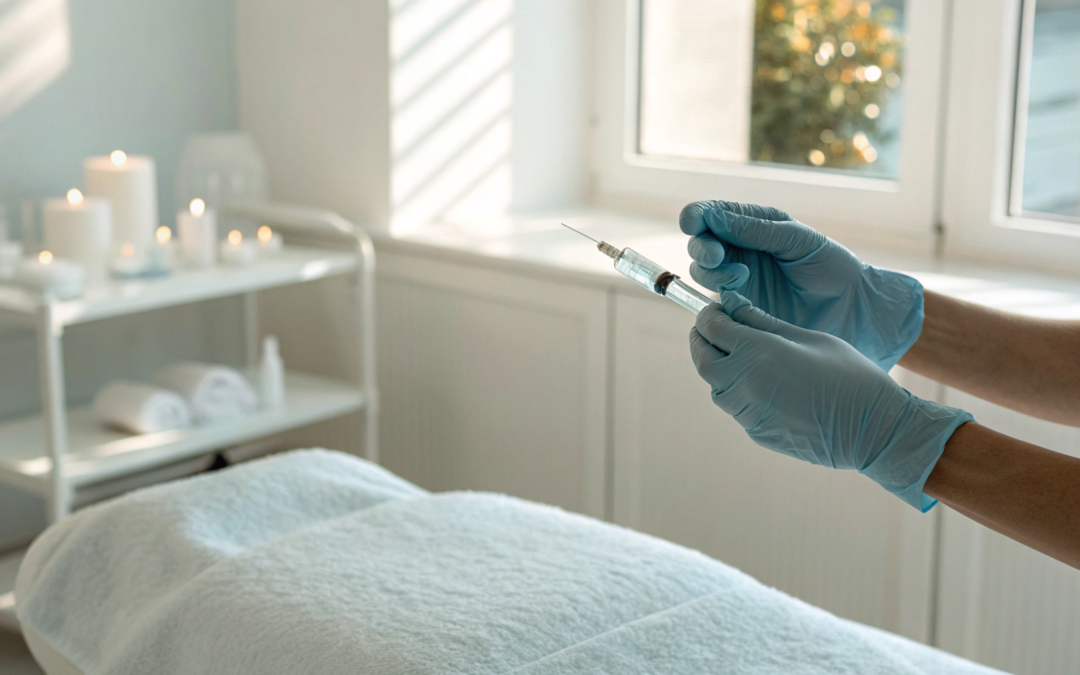
When it comes to Botox, the skill of your injector is everything. It’s the single most important factor for your safety and your results. Why? Because an expert with a deep knowledge of facial anatomy is your best defense against unwanted outcomes. While Botox is a safe and trusted treatment, the person holding the needle makes all the difference. This guide will walk you through the potential Botox treatment side effects. Understanding them is the first step to appreciating why choosing a qualified, experienced provider is the most important decision you’ll make.
Key Takeaways
- Your Injector’s Skill Matters Most: The best way to ensure a safe, effective treatment is by choosing a board-certified provider with proven experience. Their precise technique is your greatest defense against unwanted side effects.
- Understand the Difference Between Normal and Rare: Minor, temporary reactions like localized swelling or bruising are common and fade quickly. Familiarize yourself with the rare but serious symptoms, like trouble breathing, so you know when to contact a doctor immediately.
- Your Honesty and Aftercare Are Crucial: A successful outcome depends on your partnership with your provider. Be completely open about your medical history and medications, and follow all post-treatment instructions carefully to support a smooth recovery.
First, What Exactly Is Botox?
Before we talk about side effects, it’s helpful to understand what Botox is and how it works. The name can sound a bit intimidating, but the science behind it is straightforward and has been used safely in medicine for decades. Knowing the basics can help you feel more confident and informed about your treatment. It’s not a mysterious potion; it’s a well-studied medication with a specific job to do. When you understand its purpose—to temporarily relax targeted muscles—you can better appreciate why the skill of the person administering it is so important for achieving the results you want while keeping you safe.
What Botox Is Made From and How It Works
Botox is a brand name for a specific type of medicine made from a purified protein. This protein comes from a bacterium called Clostridium botulinum. While the bacterium itself can cause illness in other contexts, the medication is a highly diluted, sterile, and safe form that is used in very small, precise amounts. According to MedlinePlus, these injections work by weakening or relaxing certain muscles or by blocking specific nerves from sending signals. This action is what allows it to smooth wrinkles caused by repeated facial expressions, like frowning or squinting. It doesn’t “freeze” your face; it simply softens the muscle contractions that lead to lines over time.
The Science of Neurotoxins
At its core, Botox is a neurotoxin. That term might sound alarming, but it simply means it affects the nervous system. It works by blocking the release of a chemical messenger called acetylcholine, which is what tells your muscles to contract. By interrupting this signal, the muscle stays relaxed. The Mayo Clinic confirms that the toxin used is purified and approved by the FDA, making it safe when administered by a licensed and skilled health care provider. This is why choosing an expert who understands the intricate map of facial muscles is essential. A board-certified surgeon has the deep anatomical knowledge to deliver results that look natural and are incredibly safe.
Different Types of Botulinum Toxin
While “Botox” has become a household name, it’s actually one of several brands of botulinum toxin available. Most cosmetic treatments use botulinum toxin Type A, which is found in products like Botox Cosmetic, Dysport, and Xeomin. There is also a Type B, which is often used for medical purposes like treating neck spasms. An experienced provider will know which type and brand is best suited for your unique needs and treatment goals. This decision is based on factors like the area being treated and the specific outcome you’re looking for, ensuring a personalized approach to your care.
Beyond Wrinkles: The Medical Uses of Botox
Long before it was famous for smoothing crow’s feet, Botox was a powerful tool in the medical world. Its ability to relax overactive muscles makes it an effective treatment for a surprising number of health conditions. This extensive history in therapeutic medicine is a testament to its safety and reliability when used correctly. Many people are surprised to learn that its cosmetic application is just one of many uses. This versatility highlights how valuable the treatment is, providing relief and improving the quality of life for patients dealing with various medical issues. At our European Cosmetic Clinic, we apply this deep medical understanding to every procedure we perform.
Treating Migraines, Excessive Sweating, and More
The medical applications for Botox are incredibly diverse. It is an FDA-approved treatment for chronic migraines, offering relief to those who suffer from frequent, debilitating headaches. It’s also used to manage hyperhidrosis, or excessive sweating, by blocking the nerve signals that activate sweat glands. Other common medical uses include treating an overactive bladder, calming muscle spasms associated with conditions like cervical dystonia (neck spasms), and helping with certain eye muscle conditions like strabismus (crossed eyes). In these cases, Botox helps manage symptoms and significantly improve a person’s comfort and daily function, even if it doesn’t cure the underlying condition.
What Are the Most Common Side Effects of a Botox Treatment?
If you’re considering Botox, it’s completely normal to wonder about the side effects. The good news is that for most people, the side effects are minor and temporary, making the treatment a straightforward experience. Understanding what to expect can help you feel confident and prepared for your appointment. Most reactions are localized to the injection area and resolve on their own without any need for intervention.
Botox is a well-studied treatment with a long history of safe use in cosmetic procedures when administered by a qualified professional. The most common side effects are predictable and directly related to the injection process itself or the way the product works on your muscles. These reactions are your body’s natural response and typically fade quickly. Knowing the difference between a normal, temporary reaction and something more unusual is key to having a positive experience. Let’s go over the most common things you might experience after your treatment so you can feel fully informed and at ease with your decision.
Redness, Swelling, or Bruising at the Injection Site
It’s very common to experience some mild reactions right where the injections were administered. You might notice a bit of redness, swelling, pain, or even some minor bruising. Think of this as your skin’s natural response to a small needle prick. These symptoms are typically very mild and should fade completely within a few days, often within hours. Applying a cold compress gently to the area can help reduce swelling and discomfort. This is a normal part of the process as your body adjusts and the treatment begins to settle in, so there’s no need to be alarmed.
Temporary Weakness in Nearby Muscles
Botox works by temporarily relaxing the muscles that cause wrinkles. Occasionally, this effect can spread to nearby muscles, leading to temporary weakness. This might show up as a droopy eyelid, crooked eyebrows, or a slightly uneven smile. While this can be concerning, it’s important to remember that it is temporary and will resolve as the Botox wears off. The risk of this happening is significantly lower when you choose a skilled and experienced injector who understands facial anatomy, which is why selecting a qualified cosmetic clinic is so crucial.
A Closer Look: Droopy Eyelids and the “Mephisto Sign”
Let’s talk about one of the most well-known, though uncommon, side effects: a droopy eyelid. This condition, known as ptosis, can happen when the treatment affects the muscle that holds up your eyelid. While it can be unsettling, it’s important to know this is temporary and usually resolves on its own within a few weeks. Another related effect is the “Mephisto sign,” where the eyebrows become overly arched, creating a surprised look. Both of these outcomes result from an imbalance in muscle relaxation and are precisely why the expertise of your injector is so important. A deep understanding of facial anatomy helps prevent these issues, ensuring your treatments at our Face & Neck Clinic leave you looking refreshed and natural.
Understanding Asymmetry: Crooked Smiles or Drooling
When Botox is used around the mouth to address fine lines, there’s a small chance it can affect your smile. This can lead to temporary facial weakness, resulting in a slightly crooked smile or even minor drooling. While it might sound alarming, these effects are typically mild and fade within a few weeks as the product naturally wears off. Achieving a balanced, symmetrical result requires a delicate touch and an expert’s knowledge. Your provider must account for how all the tiny muscles in your face work together. This is where the value of a board-certified surgeon with extensive experience truly shines, as their precision is key to avoiding these kinds of complications.
Headaches and Flu-Like Symptoms After Treatment
Some people report getting a headache or feeling like they have mild, flu-like symptoms after their Botox treatment. This is a less common but known side effect that can occur as your body responds to the injection. These symptoms usually appear shortly after the procedure and typically don’t last more than a day or two. Staying hydrated and getting some rest can help you feel better quickly. If you’re prone to headaches, it’s a good idea to mention this to your provider during your consultation so they can help you prepare.
Other Possible Side Effects to Know
Beyond the most common reactions, there are a few other potential side effects that are good to know about. These are generally less frequent and, like the others, are typically mild and temporary. Being fully informed helps you understand the complete picture of what to expect from your treatment. These side effects often relate to how your body individually responds to the injection or the product itself. Knowing about them ensures you can monitor your recovery with confidence and communicate effectively with your provider if you have any questions or concerns after your appointment.
Dry Mouth, Neck Pain, or Upset Stomach
While not as common as localized swelling or bruising, some people might experience symptoms like a dry mouth, neck pain, or a mild upset stomach after their Botox treatment. These reactions are generally mild and tend to resolve on their own within a day or two as your body adjusts. For instance, neck pain can sometimes occur if injections were administered in the lower face or neck area. These systemic responses are less frequent but are a known possibility. If you experience any of these, it’s usually best to rest, stay hydrated, and give your body a little time. As always, if a symptom feels persistent or worrying, you should always feel comfortable reaching out to your provider for guidance.
Skin Changes Near the Injection Site
In addition to the typical redness or bruising, you might notice other temporary changes in your skin’s appearance right where the injections were made. This can include slight variations in skin color or texture at the injection site. These reactions are your skin’s immediate response to the needle and the introduction of the product. They are almost always superficial and temporary, fading within a few days as the area heals completely. Think of it as a minor and short-lived response. Following your aftercare instructions, like avoiding rubbing the area, will help ensure these changes resolve as quickly as possible, leaving you with smooth, beautiful results.
Risk of Infection
Any procedure that involves an injection carries a very small risk of infection. However, this risk is minimized when your treatment is performed in a sterile environment by a qualified professional. Reputable clinics adhere to strict hygiene protocols to ensure your safety. Your role in prevention is also important; following aftercare instructions, such as not touching the treated areas and keeping them clean, is key to a smooth recovery. At our center, patient safety is our highest priority, and we take every precaution to create a safe and sterile environment for every procedure. If you have any questions about our safety standards, we encourage you to ask us directly.
What About Rare or Serious Botox Side Effects?
While the vast majority of Botox treatments go smoothly with only minor, temporary side effects, it’s important to be aware of the more serious, albeit rare, potential outcomes. These complications often happen if the botulinum toxin spreads beyond the targeted injection site, affecting unintended muscles. Understanding these risks is a key part of making an informed decision and highlights why choosing a highly experienced, board-certified provider is so critical. An expert injector understands facial anatomy precisely, using the correct dosage and technique to ensure the treatment stays exactly where it’s supposed to. This level of expertise significantly reduces the chance of unintended effects.
These serious side effects can appear hours, days, or even weeks after your injection, so it’s helpful to know what to look for. Being prepared allows you to seek medical help right away if needed. At our Face & Neck Clinic, we prioritize patient education and safety. During your consultation, we’ll walk you through every aspect of the procedure, including all potential risks, to ensure you feel confident and informed. Below are the rare but serious side effects you should know about.
Urgent: Difficulty Breathing or Swallowing
In very rare cases, the effects of the botulinum toxin can spread and affect the muscles responsible for breathing and swallowing. This is a serious medical emergency. Symptoms can include trouble speaking clearly, swallowing food or liquids, or feeling short of breath. According to medical experts, these issues can develop hours or even weeks after treatment and can be life-threatening. If you experience any of these symptoms, you should get medical help immediately. People with pre-existing swallowing or breathing problems are at a higher risk for these complications, which is why a thorough medical history is so important.
When Muscle Weakness Spreads Beyond the Injection Site
The goal of Botox is to relax specific muscles, but if the toxin migrates, it can cause unintended muscle weakness in other parts of the body. This might show up as drooping eyelids, blurred or double vision, or general muscle weakness that makes everyday tasks feel difficult. In more significant cases, it could even lead to a loss of bladder control. This is why the injection technique and dosage are so important. A skilled practitioner knows exactly where and how much to inject to keep the effects localized and prevent the toxin from spreading to surrounding areas.
Understanding Botulism: A Rare Complication
Botulism is a term you might hear, and it refers to the rare but serious illness that can occur if the botulinum toxin spreads throughout the body. This isn’t the same as localized muscle weakness; it’s a systemic issue that can affect critical functions like breathing and swallowing. Symptoms might include difficulty speaking, blurred vision, and shortness of breath, and they can appear hours or even weeks after your injection. This is a medical emergency that requires immediate attention. The risk is incredibly low, but it underscores why your choice of provider is so important. A highly experienced provider uses precise dosing and technique to ensure the product stays exactly where it’s intended, making your safety their top priority.
Signs of a Severe Allergic Reaction
Although uncommon, a severe allergic reaction to Botox is possible. The signs of a serious reaction, known as anaphylaxis, can appear very quickly after the injection. Symptoms include itching, rash or hives all over the body, wheezing or asthma-like symptoms, and feeling dizzy or faint. This is a medical emergency that requires immediate attention. Before any treatment, we conduct a thorough review of your medical history to identify any potential allergies or contraindications, ensuring the procedure is as safe as possible for you.
Changes in Vision or Bladder Control
As mentioned, the spread of the toxin can lead to issues beyond the treatment area. Vision problems, such as double vision, blurred vision, or drooping eyelids, can occur if the muscles controlling your eyes are affected. Similarly, if the toxin impacts the muscles that control the bladder, it can lead to a loss of bladder control. While these side effects are extremely rare, they underscore the importance of having your treatment performed by a qualified medical professional who understands the potential risks and how to avoid them through precise application and careful dosage.
Potential Cardiovascular Effects
While Botox is overwhelmingly safe, it’s important to discuss potential cardiovascular effects, particularly if you have a pre-existing heart condition. In very rare instances, the treatment has been associated with irregular heartbeats or heart attacks. This is why a transparent conversation about your medical history is non-negotiable before any procedure. If you have any known heart issues, you must talk to your doctor so they can ensure the treatment is appropriate for you. These rare complications are often linked to the toxin spreading beyond the injection site, which can lead to systemic issues. Although a direct cause-and-effect relationship isn’t always clear in these cases, it underscores the importance of choosing a highly skilled injector who can minimize risks through precise application and expert knowledge of facial anatomy.
How Long Do Botox Side Effects Last?
If you’re considering Botox, it’s completely normal to wonder about the recovery timeline. The great news is that for the vast majority of people, any side effects are brief and manageable. Understanding what to expect can help you feel confident and prepared for your treatment.
We can look at the post-treatment period in two ways: the time it takes for minor side effects to disappear and the time it takes for your amazing results to fully appear. Most common reactions, like a bit of redness or swelling at the injection site, are very temporary. They typically fade long before you see the final, smooth look you’re hoping for. This quick turnaround is one of the many reasons Botox is such a popular and trusted treatment. It allows you to get back to your routine quickly, with minimal disruption. Let’s break down exactly what that timeline looks like so you know what to expect each step of the way.
Your Recovery Timeline for Common Side Effects
Most side effects from Botox are mild and resolve on their own very quickly. It’s common to experience some tenderness, swelling, redness, or even light bruising right where the injections were made. Some people might also notice a mild headache or flu-like symptoms. These mild and temporary reactions are your body’s normal response and are generally nothing to worry about. In most cases, you can expect these effects to fade within a day or two, letting you get right back to your life without any significant downtime.
When Will You Start to Feel Better?
While any minor side effects are making a quick exit, the results you’re excited about are just beginning to show. You might start to see the first initial effects of your treatment, like a subtle smoothing of lines, within just one to three days. The product continues to work its magic over the following week. Most people see the full, beautiful results of their Botox treatment within 10 to 14 days. This is when the targeted muscles will be fully relaxed, revealing a smoother, more refreshed appearance. Planning for this timeline can help you schedule your treatment perfectly before a big event.
How Long Do Botox Results Last?
Once you see your final, smooth results, you’ll naturally want them to last as long as possible. For most cosmetic treatments, the effects of Botox typically last about three to four months. This isn’t a permanent fix; it’s a regular part of a beauty routine for those who love the results. The exact duration can vary from person to person, depending on factors like your metabolism, the strength of your facial muscles, and the area that was treated. To maintain that refreshed look, you’ll need to schedule follow-up appointments. A skilled provider will work with you to create a personalized treatment schedule that keeps you looking your best without overdoing it.
Cosmetic vs. Medical Treatment Timelines
It’s interesting to note that the longevity of Botox can change depending on why it’s being used. While cosmetic applications for wrinkles usually last three to four months, medical treatments can have a different timeline. When used for conditions like chronic migraines or excessive sweating, the effects can last longer, sometimes anywhere from four to twelve months. This difference often comes down to the dosage used and the specific condition being treated. For cosmetic purposes, the goal is to relax facial muscles just enough to soften lines, while medical uses might require a different approach. Understanding this helps set clear expectations for your specific treatment goals.
Long-Term Considerations for Botox Users
Once you see the incredible, line-smoothing results of Botox, it’s easy to imagine it becoming a regular part of your self-care routine. Many people do just that, scheduling appointments every few months to maintain their refreshed look. But what does that look like over years or even decades? Thinking about the long-term effects is a smart step in your aesthetic journey. It’s important to understand how your body might adapt to the treatment over time and the potential benefits that come with consistent use. With the right approach and a skilled provider, Botox can be a safe and effective part of your long-term beauty strategy.
Can Your Body Develop Resistance to Botox?
It’s a valid question: can your body get “used to” Botox? The answer is that, in rare cases, it’s possible for your body to build up a resistance. This can happen when your immune system creates antibodies that fight the botulinum toxin, making the treatment less effective over time. According to research, this is more likely to occur in people who receive very frequent treatments or high doses. This is one of the most important reasons to work with a board-certified provider who creates a personalized treatment schedule for you. An expert will use the lowest effective dose and space out your appointments appropriately to minimize this risk and ensure you continue to get great results.
The Upside: Preventing Future Wrinkles and Longer-Lasting Results
On the flip side, long-term Botox use comes with some fantastic benefits. When you start treatments earlier, you’re not just smoothing existing lines—you’re actively preventing deeper, static wrinkles from forming in the first place. By consistently relaxing the muscles, you stop them from repeatedly creasing the skin. Over time, these targeted muscles can actually become weaker. This means you might find that your results start to last longer, allowing you to go for longer periods between appointments. A skilled injector at a trusted clinic, like our European Cosmetic Clinic, can help you create a long-term plan that maximizes these benefits while maintaining a natural, expressive look.
How Can You Minimize Botox Side Effects?
While most Botox side effects are mild and temporary, you can take simple steps to make your experience as smooth as possible. Think of it as a team effort between you and your provider. By preparing ahead of time and following aftercare instructions carefully, you can significantly reduce the chances of bruising, swelling, and other unwanted effects. Your role in a successful treatment starts before your appointment and continues for a short while after. Here’s a straightforward guide to managing and minimizing potential side effects.
What to Do Before Your Botox Appointment
Being open with your provider is the most important step before your appointment. During your consultation, discuss your complete medical history and provide a list of all medications and supplements you take. Things like blood thinners, aspirin, and even some herbal supplements can increase the likelihood of bruising. Your provider can then give you specific advice on what to pause before your treatment. This simple conversation helps our board-certified surgeon tailor the procedure to your unique health profile, ensuring the highest standards of safety and care.
Avoid Alcohol for 24 Hours Before Treatment
Here’s a simple but effective tip: skip that glass of wine the night before your appointment. It’s best to avoid alcohol for at least 24 hours before getting Botox. Alcohol can thin your blood, which makes you more susceptible to bruising and swelling at the injection sites. By avoiding it, you’re taking a proactive step to minimize these common side effects and ensure a smoother, quicker recovery. Think of it as an easy way to help your provider achieve the cleanest results and to reduce any post-treatment puffiness or discoloration, letting you enjoy your refreshed look that much sooner.
Disclose Your Full Treatment History
Being completely open about your medical history is non-negotiable for a safe procedure. This goes beyond just mentioning prescriptions; your provider needs to know about everything you take, including over-the-counter medications, vitamins, and herbal supplements. Certain substances, especially blood thinners, can increase bruising, but others might have implications for how your muscles react to the treatment. This full disclosure allows your provider to assess any potential risks and create a treatment plan that is perfectly tailored to you. It’s this partnership and honesty that helps support a smooth recovery and ensures your results are both beautiful and safely achieved.
Your Aftercare Checklist: Dos and Don’ts
After your injections, you’ll receive a set of aftercare instructions. Following them closely is key to getting a great result and preventing the Botox from migrating to unintended areas. A good rule of thumb is to avoid rubbing or putting firm pressure on the treated areas for at least 24 hours. You should also plan to stay upright for about four hours after your appointment—so no lying down for a nap right away. This helps the product settle precisely where it was placed. Skipping your high-intensity workout for the rest of the day is also a smart move.
The Right Way to Use Ice After Your Treatment
It’s common to experience a little swelling or tenderness right after your treatment. To help, you can gently apply a cold compress or ice pack to the area for short periods. This can help constrict the blood vessels and reduce both swelling and the potential for bruising. Your provider will show you the best way to do this without applying too much pressure. If you’re concerned about discomfort during the injections, we can also discuss applying a topical numbing cream beforehand. Our team at the European Cosmetic Clinic is focused on ensuring your comfort and safety at every stage.
Managing Mild Side Effects at Home
Even though the most common side effects are minor, it’s always good to know how to handle them so you can feel comfortable and confident during your recovery. The great news is that you can easily manage most of these mild reactions from the comfort of your own home with just a few simple steps. Think of it as having a small toolkit of remedies ready to go. These tips are designed to help you soothe any temporary discomfort and ensure your skin stays happy and healthy as the Botox begins to work its magic. Taking these proactive steps can make your post-treatment experience even smoother.
Soothing Headaches and Discomfort
Some people report getting a headache or feeling like they have mild, flu-like symptoms after their Botox treatment. This is a less common but known side effect that can occur as your body responds to the injection. These symptoms usually appear shortly after the procedure and typically don’t last more than a day or two. The best thing you can do is give your body a little extra care. Staying hydrated by drinking plenty of water and getting some rest can help you feel better quickly. An over-the-counter pain reliever can also help, but it’s always a good idea to check with your provider first.
Caring for Dry or Flaky Skin
You might notice that the skin around the injection sites feels a bit dry or even flaky after your treatment. This can happen because Botox works by relaxing muscles, and in doing so, it can sometimes reduce sweating in the treated area. Without that natural moisture, your skin can dry out. The fix is simple: moisturize the area regularly with a gentle, hydrating product. To avoid any potential irritation, it’s best to choose a moisturizer that is free of strong fragrances or dyes. Keeping the skin well-hydrated will help it stay smooth and comfortable as you wait for your final results to appear.
When to Call a Doctor After Your Treatment
Your safety and peace of mind are the top priorities after any cosmetic treatment. While most people experience only minor, temporary side effects from Botox, it’s smart to know which symptoms warrant a call to your doctor. Complications are rare, especially when you see an experienced provider, but being informed helps you stay in control of your health. Trust your instincts—if something feels off, it’s always best to reach out.
Red Flags: Symptoms That Warrant a Phone Call
Some side effects go beyond typical bruising or swelling and require a prompt conversation with your provider. These symptoms can appear hours or even weeks after your injection and may suggest that the botulinum toxin has spread beyond the intended muscle.
Contact your doctor right away if you experience issues like blurred or double vision, drooping eyelids, or muscle weakness in areas that weren’t treated. Other signs to watch for include trouble speaking or swallowing, slurred speech, or a loss of bladder control. While these are uncommon, they are serious and need to be evaluated by a professional to ensure your well-being and determine the next steps.
When to Seek Emergency Medical Help
In very rare cases, Botox can cause severe side effects that require immediate medical attention. If you experience any signs of a serious allergic reaction, such as hives, itching, or swelling in your face, tongue, or throat, seek emergency care.
The most critical symptoms to watch for are significant trouble breathing, speaking, or swallowing. These can be life-threatening and require an urgent response. Other red flags that call for emergency help include a hoarse voice, overall muscle weakness, or severe vision problems. Don’t wait to see if these symptoms improve on their own. Getting immediate medical help is essential for managing these rare but serious complications safely.
Who Should Avoid or Postpone Botox?
Botox is a fantastic and widely-used treatment, but it’s not a one-size-fits-all solution. Your unique health profile is the most important factor in determining if it’s the right choice for you. Certain health conditions, life stages, and even medications can affect how your body responds to the treatment. This is why a transparent and in-depth conversation with a trusted provider is the most critical first step.
Being open about your full medical history isn’t just a formality—it’s essential for your safety and for achieving the results you want. A qualified professional will use this information to assess your candidacy and ensure the procedure is performed safely. Before you even think about scheduling an appointment, your provider should walk you through all the potential risks based on your personal health. If you’re ready to start that conversation, a thorough consultation is the best place to begin understanding if Botox aligns with your aesthetic goals and your overall well-being.
Certain Medical Conditions and Botox Risks
Your health history plays a major role in whether Botox is a safe option for you. It’s especially important to reconsider treatment if you have certain muscle or nerve conditions. These include amyotrophic lateral sclerosis (ALS), myasthenia gravis, or Lambert-Eaton syndrome. For individuals with these conditions, there may be a higher risk of experiencing serious side effects, such as significant muscle weakness or difficulty with breathing and swallowing. Being completely upfront with your provider about any diagnosed conditions is key to protecting your health and ensuring a safe treatment experience.
A Note for Pregnant or Breastfeeding Moms
If you are pregnant, planning to become pregnant, or currently breastfeeding, it’s best to put Botox treatments on hold. The simple reason is that there isn’t enough research to confirm its safety for you or your baby. Experts don’t know for sure if the botulinum toxin can affect a developing fetus or pass into breast milk. Because safety is always the top priority, the medical community advises against the procedure during this time. You can always revisit your cosmetic goals after you’ve finished breastfeeding and feel ready to explore treatment options again.
Medications to Discuss with Your Doctor
What you put into your body matters, and that includes medications and supplements. It’s crucial to give your provider a complete list of everything you take, including prescriptions, over-the-counter drugs, vitamins, and herbal remedies. Some medications, like certain antibiotics, muscle relaxants, or even allergy and sleep medicines, can interact with Botox. Blood thinners are a particularly important one to mention, as they can heighten the risk of bleeding or bruising at the injection sites. Your provider may ask you to temporarily pause certain medications to ensure your treatment is as safe and smooth as possible.
Why You Should Postpone if You Have a Skin Infection
Your health and safety should always come first, which is why it’s essential to postpone your Botox appointment if you have any kind of skin infection in the treatment area. Injecting into skin that is already compromised by an infection, like active acne, a cold sore, or a rash, can introduce bacteria deeper into the skin. This not only risks making the original infection worse but can also lead to more serious complications. According to the Dallas Center for Dermatology and Aesthetics, this can increase the risk of spreading the infection or experiencing more severe side effects. A clean, healthy canvas is crucial for a successful and safe outcome. It’s always best to wait until your skin has fully healed. If you’re unsure, it’s always a good idea to discuss any skin concerns with your provider beforehand.
What Influences Your Risk of Side Effects?
Not every Botox experience is the same, and your results—including any side effects—depend on a few key variables. Understanding these factors can help you feel more confident and prepared for your treatment. It’s not just about the product itself, but about how it’s administered, how much is used, and your unique health profile. When you know what influences the outcome, you can make choices that prioritize your safety and help you achieve the look you want.
From the provider’s skill to your own medical history, each element plays a critical role. Let’s walk through the three main factors that can affect your experience with Botox side effects.
Why Your Injector’s Skill Matters Most
The single most important factor in preventing unwanted side effects is the skill of your injector. A provider with deep anatomical knowledge knows exactly where to place the injections to target specific muscles while avoiding others. The correct injection technique, precise dosing, and a thorough review of your health history are essential for a safe and effective treatment.
This is why choosing a licensed and experienced healthcare provider is non-negotiable. An expert injector minimizes risks like bruising, swelling, and the spreading of the toxin to unintended areas. Our board-certified surgeon brings years of specialized training to every procedure, ensuring your treatment is handled with the highest level of care and precision.
How Dosage and Treatment Area Affect Risk
The amount of Botox used and the area being treated directly impact your risk of side effects. It’s reassuring to know that the doses for cosmetic procedures are significantly smaller than those used for medical conditions, making serious side effects much less common. For example, treatments at our Face & Neck Clinic use carefully measured amounts to smooth wrinkles without affecting your natural expressions.
However, if the Botox spreads from the intended muscle, it can cause temporary issues like drooping eyelids or eyebrows. This is another reason why the injector’s precision is so important. A skilled provider will use the lowest effective dose and place it strategically to achieve beautiful results while keeping you safe.
How Your Own Health Can Influence Results
Your personal health history is a crucial piece of the puzzle. Certain pre-existing conditions, particularly muscle or nerve disorders like ALS or myasthenia gravis, can increase your risk of more serious side effects. It is absolutely vital to be open and honest with your provider about your complete medical history, including any medications, supplements, or allergies.
This transparency allows your provider to determine if you are a good candidate for Botox and to tailor the treatment to your specific needs. A thorough consultation is the first step toward a safe procedure. By discussing your health background with us, you help ensure your treatment plan is designed for both effectiveness and your personal well-being.
Finding a Qualified Injector to Minimize Risks
The single most important step you can take to reduce the risk of side effects is to choose the right provider. While Botox is a very common procedure, it requires a deep understanding of facial anatomy and a precise technique. The skill of the person administering your treatment directly impacts your safety and your results. When you’re vetting potential providers, focus on three key areas: their credentials, their specific experience with cosmetic injectables, and the quality of their facility. Taking the time to research your provider is the best way to ensure you have a positive and safe experience. Our team, for example, is led by a board-certified surgeon with both European and American training, which sets a high standard for patient care and safety.
Step 1: Check for Board Certification
First things first, always look for a provider who is board-certified in a specialty like plastic surgery or dermatology. Board certification is more than just a piece of paper; it means the doctor has completed extensive training and passed rigorous exams demonstrating their expertise. According to the American Academy of Facial Esthetics, it’s crucial that only trained and licensed professionals perform these injections. A board-certified provider has an in-depth knowledge of facial muscles, nerves, and blood vessels, which is essential for placing injections correctly to achieve beautiful, natural-looking results while minimizing the risk of complications like muscle weakness or drooping.
Step 2: Ask About Their Cosmetic Experience
Beyond certification, you want a provider who has plenty of hands-on experience specifically with Botox. Don’t be shy about asking questions during your consultation. You can ask how often they perform Botox treatments or request to see before-and-after photos of their previous patients. An experienced injector will be able to assess your unique facial structure and develop a customized treatment plan. They’ll know exactly how much product to use and where to inject it to address your concerns without creating a “frozen” look. This level of expertise comes from performing these procedures day in and day out at a specialized practice like our Face & Neck Clinic.
Step 3: Assess the Clinic’s Safety Standards
The environment where you get your treatment matters just as much as the provider. Botox should always be administered in a clean, professional medical setting. Avoid the temptation of “Botox parties” or treatments offered at salons or in someone’s home. A proper medical clinic adheres to strict safety and hygiene protocols, ensuring all equipment is sterile and the product is sourced and stored correctly. Choosing a reputable clinic means you are in a safe environment equipped to handle any unlikely adverse reactions. It’s a medical procedure, and prioritizing a professional facility like one of our clinics ensures your health and safety come first.
The Importance of a Medically Supervised Environment
It’s essential to remember that Botox is a medical procedure, not just a quick cosmetic touch-up. This is why the setting where you receive your treatment is so important. Steer clear of “Botox parties” or offers for injections in non-medical locations like salons or private homes. A professional medical clinic operates under strict hygiene and safety standards, ensuring that all equipment is sterile and that the Botox itself is authentic, properly stored, and unexpired. More importantly, a medically supervised environment is equipped to handle the unlikely event of an adverse reaction. Choosing a reputable clinic provides the peace of mind that you are in a safe, controlled setting where your health is the absolute priority.
Is It Normal? Telling Side Effects from Complications
It’s completely normal to feel a little anxious about what to expect after a cosmetic treatment. The key is understanding the difference between a typical, temporary side effect and a genuine complication. While choosing an experienced, board-certified surgeon significantly reduces risks, being informed helps you feel confident throughout your recovery. Normal side effects are generally mild and localized. Think temporary redness, slight swelling, or bruising right where the injection was made. Some people might also experience a mild headache or flu-like symptoms that pass quickly.
Complications, on the other hand, are much rarer and more serious. These occur if the botulinum toxin spreads beyond the intended muscle group. Signs of a complication include significant muscle weakness away from the treatment area, vision problems, or difficulty with basic functions like speaking, swallowing, or breathing. An allergic reaction, such as hives or swelling of the face and throat, is also a serious complication. Knowing these distinctions is crucial, as it helps you monitor your healing process and know exactly when to reach out to your provider at our Face & Neck Clinic.
What a Normal Recovery Looks and Feels Like
The good news is that the healing process for Botox is usually very straightforward. Most common side effects, like redness or a minor headache, are very mild and typically resolve on their own within a day or two. You can generally get right back to your daily routine immediately after your appointment.
The most important post-treatment instruction is to be gentle with the treated area for the first 12 hours. This means no rubbing, massaging, or applying significant pressure. This simple step helps ensure the product stays exactly where it was intended to work its magic. Following the specific aftercare advice provided by your specialist is the best way to support a smooth and uneventful healing process.
When to Worry About a Side Effect
While serious issues are uncommon, it’s important to know which symptoms warrant a call to your doctor. You should seek medical attention if you experience any signs that the toxin may be spreading. These warning signs include trouble breathing, speaking, or swallowing, as well as significant muscle weakness or a loss of bladder control. It’s also critical to watch for symptoms of a severe allergic reaction, like hives, itching, or swelling in your face, tongue, or throat.
These symptoms can appear within hours or even weeks after your treatment, so stay mindful of how you’re feeling. If you notice any of these serious effects, don’t wait. Contact us or seek emergency medical help right away to ensure your safety and well-being.
Is Botox Right for You? How to Decide
Deciding to get Botox is a personal choice, and feeling confident in that decision starts with having all the right information. It’s about understanding the procedure, knowing what to expect, and feeling completely comfortable with your provider. This is your opportunity to ensure your goals align with what the treatment can realistically achieve and to confirm you’re in the best hands for your care. A thorough consultation is the first and most important step toward a result you’ll love.
Questions to Ask During Your Consultation
Your consultation is the perfect time to ask anything and everything on your mind. Don’t hesitate to inquire about your provider’s qualifications, experience, and specific training with cosmetic injectables. A great provider will be happy to share this information. You can ask how many times they’ve performed the procedure and request to see before-and-after photos of previous patients. It’s just as important to be open with them. Be prepared to discuss your complete medical history, including any muscle or nerve conditions you may have. You should also provide a full list of medications, supplements, and vitamins you take, as this information helps ensure your treatment is both safe and effective.
Weighing the Pros and Cons for Yourself
Botox is widely considered a safe and effective treatment, and most people experience only minor, temporary side effects. The most common reactions include mild pain, swelling, or bruising at the injection site, and occasionally a headache. These issues typically resolve on their own within a few days. However, it’s important to be aware of the less common but more serious risks. In rare cases, the toxin can spread beyond the treatment area, leading to muscle weakness, vision problems, or difficulty with breathing or swallowing. Understanding the full picture of Botox injections allows you to make a truly informed decision. By choosing a qualified, board-certified surgeon, you significantly minimize these risks and can feel more secure in your choice.
Related Articles
- Botox | Advanced Cosmetic & Aesthetic Surgery Center
- Botox | Advanced Cosmetic & Aesthetic Surgery Center
- Brow Lift | Advanced Cosmetic & Aesthetic Surgery Center
Frequently Asked Questions
What does the injection actually feel like? Is it painful? Most people describe the sensation as a quick, tiny pinch, similar to a mosquito bite. The needles used for Botox are very fine, so the discomfort is minimal and lasts only for a moment. A skilled provider is also very quick, which makes the process much more comfortable. If you’re concerned about pain, we can apply a topical numbing cream or a cold pack to the area just before the treatment to make you more comfortable.
Will my face look frozen or unnatural? This is a very common concern, and the answer lies entirely in the skill of your provider. The goal of Botox is to soften wrinkles, not erase your ability to make expressions. An experienced, board-certified injector understands the precise anatomy of your facial muscles and uses a conservative dose to relax the specific muscles causing lines, while leaving the surrounding muscles unaffected. This approach ensures you look refreshed and natural, never frozen.
Can I do anything to prevent bruising after my appointment? Yes, there are a few simple steps you can take to minimize your chances of bruising. For about a week before your treatment, it’s a good idea to avoid blood-thinning medications and supplements like aspirin, ibuprofen, and fish oil, but be sure to clear this with your primary doctor first. After your appointment, applying a cold compress gently to the treated areas can help, as can avoiding strenuous exercise for the rest of the day.
How soon will I see results, and how long do they last? You might start to notice a subtle smoothing of your lines within three to five days, but the full effect typically takes about 10 to 14 days to appear. Once your results are settled, you can expect them to last for about three to four months. As the product gradually wears off, your muscles will regain their movement, and the lines will slowly reappear. Many people schedule their appointments a few times a year to maintain their results.
What happens if I decide to stop getting Botox? Will my wrinkles look worse? Not at all. If you decide to stop your treatments, your face will simply return to how it looked before you started. Botox doesn’t make wrinkles worse. In fact, because you’ve been relaxing those muscles for a period of time, you may have even prevented them from becoming deeper. Your muscles will gradually regain their full range of motion, and your lines will slowly reappear just as they were.
Recent Comments